

The 1990s stand out as one of the most influential decades for horror cinema. From reinvigorating the teen slasher to inventing the found-footage craze, the era produced landmark films that reshaped the genre and continue to inspire filmmakers today. Many established directors delivered some of their finest work during this period, while new voices introduced terrifying fresh ideas that have endured for decades.
Directors like Wes Craven reinvented the slasher with postmodern wit, and others such as Sam Raimi, John Carpenter, and Jonathan Demme created enduring images and performances that defined 90s horror. Below is a curated countdown of ten essential horror films from the 1990s—each entry highlights why the movie mattered then and why it still matters now.
10. Arachnophobia (1990)
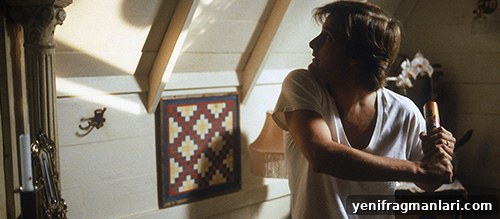
Frank Marshall’s Arachnophobia blends creature-feature thrills with family-friendly humor and effective scares. The film follows a deadly spider species accidentally introduced into a small town, where newcomers Ross (Jeff Daniels) and Molly Jennings (Harley Jane Kozak) remain oblivious as the infestation spreads. The movie borrows Spielbergian crowd-pleasing tension while leaning into gross-out moments and comic relief, making it a memorable, accessible entry in 90s horror that balances suspense and charm.
9. Mister Frost (1990)
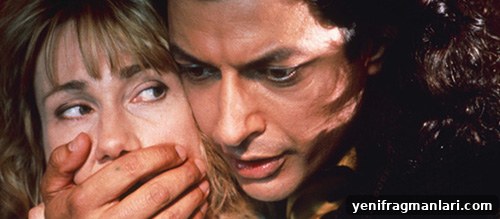
Philippe Setbon’s Mister Frost is a psychological horror gem that slipped under the radar on release but has grown a devoted following. Jeff Goldblum gives a chilling performance as an enigmatic inmate who claims to be the devil, and Kathy Baker plays the compassionate doctor drawn into his web. The film relies on mood, sparse dialogue, and unsettling lighting rather than gore, creating a tense, slow-burn atmosphere that lingers after the credits roll.
8. Interview with the Vampire (1994)
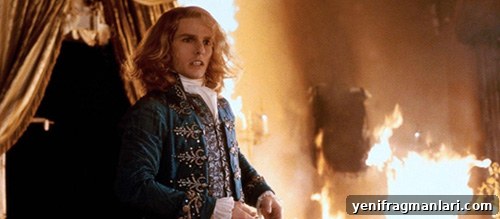
Neil Jordan’s adaptation of Anne Rice’s Interview with the Vampire brought gothic elegance and melodrama to mainstream cinema. Tom Cruise’s charismatic, sinister Lestat and Brad Pitt’s tortured Louis anchor a story about immortality, longing, and moral conflict. A young Kirsten Dunst makes a striking debut as Claudia, a child-turned-vampire with a complex and unnerving presence. The film is rich in atmosphere, costume, and melancholy, and it helped solidify vampire stories as sophisticated, emotionally resonant horror.
7. Sleepy Hollow (1999)
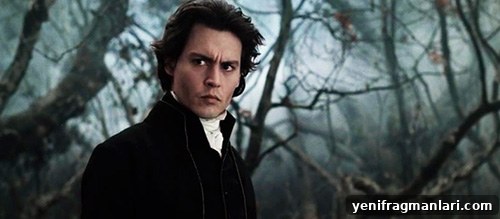
Tim Burton’s gothic take on Washington Irving’s classic tale blends dark fantasy, romance, and mystery. Johnny Depp’s quirky Ichabod Crane arrives in the haunted village to investigate a series of decapitations and encounters Christina Ricci’s hauntingly vulnerable Katrina Van Tassel. Sleepy Hollow is drenched in fog, shadow, and gothic production design—Burton’s signature visual language elevates the film into a stylized, family-friendly fright with a brooding romantic core.
Recommended for you: Tim Burton movies ranked and notable gothic films from the director.
6. The Blair Witch Project (1999)
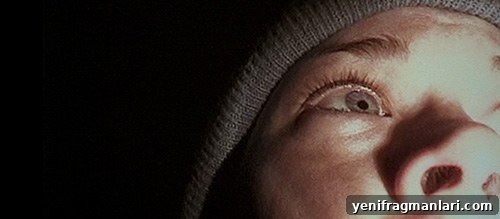
The Blair Witch Project revolutionized horror with its raw, documentary-like approach and launched the found-footage subgenre into the mainstream. Presented as recovered footage from a group of student filmmakers who disappeared while documenting a local legend, the film’s minimalism and immersive perspective amplified dread. Its marketing blurred the lines between fiction and reality, and its impact is still felt in contemporary horror that favors realism and psychological terror over spectacle.
Recommended for you: A guide to the best found-footage horror films and their lasting influence.
5. Scream (1996)
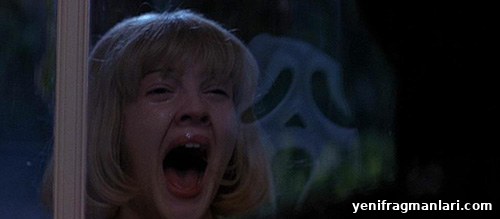
Wes Craven’s Scream reinvigorated the slasher by combining sharp meta-commentary with genuine suspense. Neve Campbell’s Sidney Prescott becomes the target of a masked killer who stalks and taunts teens in the suburban town of Woodsboro. Scream’s self-aware script skewers horror tropes while delivering effective set-piece scares, revitalizing interest in teen-centric horror and spawning a franchise and countless imitators. It’s a clever, influential film that balances humor and fear expertly.
Recommended for you: Horror films that appeal to viewers who don’t usually like traditional scares.
4. The Sixth Sense (1999)
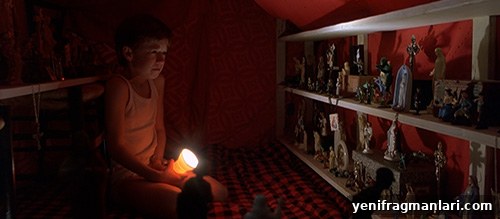
M. Night Shyamalan’s breakout hit is a masterclass in atmosphere, character, and twist-driven storytelling. The Sixth Sense centers on a young boy, Cole (Haley Joel Osment), who experiences visions of the dead, and the psychologist Dr. Malcolm Crowe (Bruce Willis) who tries to help him. The film’s emotional core and carefully constructed narrative culminate in one of modern cinema’s most famous revelations, earning widespread praise and cementing the movie as a cultural touchstone.
Recommended for you: A ranking of M. Night Shyamalan’s most notable films and psychological thrillers.
3. Misery (1990)
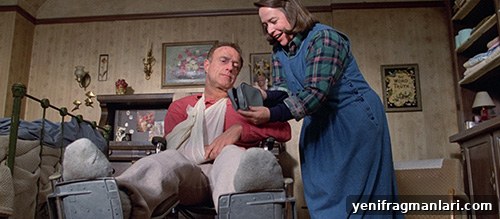
Rob Reiner’s adaptation of Stephen King’s novel Misery is an intense, claustrophobic thriller anchored by powerhouse performances. James Caan plays novelist Paul Sheldon, rescued from a crash by Annie Wilkes (Kathy Bates), who turns out to be a dangerously obsessive fan. Bates won acclaim for her portrayal of Annie’s terrifying unpredictability; the film’s tense, intimate setting and nerve-jangling scenes (notably involving a sledgehammer) make Misery a standout psychological horror of the decade.
2. The Silence of the Lambs (1991)
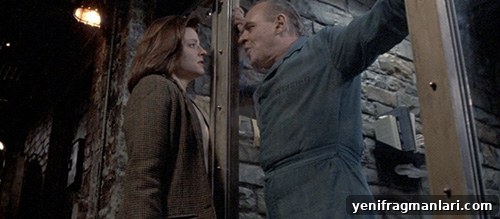
Jonathan Demme’s The Silence of the Lambs blends crime thriller and horror to devastating effect. Jodie Foster’s Clarice Starling navigates the male-dominated FBI as she seeks the help of the brilliant and horrifying Dr. Hannibal Lecter (Anthony Hopkins) to catch Buffalo Bill. The film’s exploration of manipulation, identity, and power, combined with unforgettable performances and meticulous direction, earned it critical acclaim and lasting influence across both horror and mainstream cinema.
Recommended for you: A look at horror films that crossed into awards-season recognition and Best Picture discussions.
1. Ringu (1998)
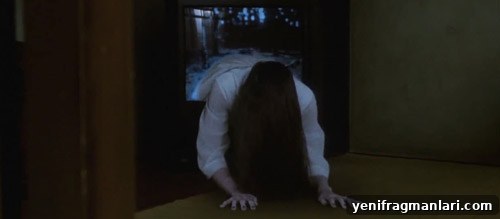
Hideo Nakata’s Ringu transformed supernatural horror with its spare, haunting approach and introduced the world to the terrifying image of a pale girl with long wet hair. The film’s cursed videotape premise and relentless atmosphere created an enduring template for mood-driven, psychologically unsettling horror. Ringu’s influence reaching international remakes and a wave of J-horror films, it remains a benchmark for eerie, minimalist scares that burrow into the audience’s imagination.
The 1990s produced a diverse array of horror styles—from gothic and psychological to meta-slasher and found-footage—that continue to resonate with audiences and filmmakers. These ten films capture the range and creativity of the decade, showcasing how horror evolved to reflect new fears while reinventing familiar tropes. Which other 1990s horror movies would you include on your list? Share your picks and thoughts on how these titles influenced modern horror—comments and discussion help keep the conversation alive.