
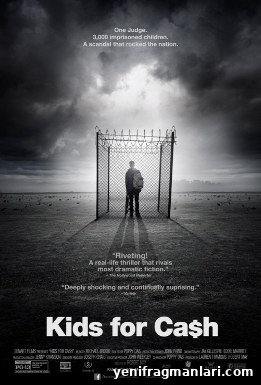
Score:A
Director:Robert May
Cast:Mark Ciavarella, Michael Conahan
Running Time:102 Minutes
Rated:PG-13
Kids for Cash is a compelling documentary that probes one of the most troubling scandals in recent memory within the juvenile justice system. The film focuses on two Western Pennsylvania judges, Mark Ciavarella and Michael Conahan, who were accused of accepting kickbacks from a private detention contractor in exchange for funneling young offenders into a new juvenile facility. With clear direction from Robert May, the documentary examines judicial corruption, the privatization of juvenile detention, and the human consequences for the children and families caught in the crossfire.
This documentary is worth seeing. It combines investigative rigor with intimate storytelling to present an account that is both informative and emotionally resonant. Kids for Cash stands out among documentary films about courtroom scandals partly because it gains unusual access to its central figures. Rather than making do with fleeting, hostile encounters, director Robert May secures extended interviews with the accused judges themselves, giving viewers a rare chance to hear their voices directly.
The presence of Ciavarella and Conahan on camera is a defining strength of the film. Many documentaries rely on secondhand testimony or archival footage to sketch their antagonists; May films the judges in long, candid interviews that reveal personalities, rationalizations, and contradictions. That access allows the documentary to present a balanced and multifaceted portrait of a case that, in headlines, was often reduced to outrage and caricature. By listening to the accused, the film invites viewers to weigh evidence and motives rather than accept a single, reductive narrative.
The film’s structure heightens the emotional stakes. It opens with moving interviews from the young victims and their parents, scenes that lay bare the personal toll of harsh sentencing and the trauma of incarceration for minors. Those testimonies establish a moral baseline: the human cost of the decisions made in courtrooms. Immediately after, May cuts to interviews with Mark Ciavarella, who acknowledges questionable financial conduct while insisting that his tough sentencing policy predated the private detention arrangement. That juxtaposition forces the audience into an uncomfortable position of judgment and doubt.
One of the film’s most powerful moments is the confrontation between distraught mother Sandy Fonzo and Judge Ciavarella on the courthouse steps. May times this sequence with precision, and the scene crystallizes the anguish and anger of families who believe their children were unfairly punished. Yet the documentary resists delivering simple revenge fantasies. As the film develops, it complicates the viewer’s initial indignation by exposing ambiguities in motive, accountability, and legal process. The result is not an easy moral victory, but a deeper, more painful awareness of how complicated justice can be.
Kids for Cash is also a study in craft. The editing balances testimony, courtroom records, and on-camera interviews to maintain narrative momentum while allowing space for reflection. The score and pacing never overwhelm the subject; instead, the film’s restraint amplifies its emotional impact. Running 102 minutes, it is long enough to develop context and character but concise enough to sustain attention and urgency.
Beyond the specific scandal, the documentary raises larger questions about juvenile justice, the role of private contractors in corrections, and the vulnerability of young people within court systems. It prompts viewers to consider how institutional incentives and personal failings can intersect with devastating results. The film refrains from offering facile solutions; instead, it encourages informed conversation about policy, oversight, and the ethical responsibility of judges.
The emotional through-line of the film leaves a lasting impression. Rather than departing the theater with a sense of righteous triumph, most viewers will feel an abiding sadness: for the children whose lives were disrupted, for the families torn apart, and for a legal system that sometimes struggles to distinguish truth from perception. That ambiguity is precisely what makes Kids for Cash a meaningful contribution to documentary filmmaking and to public discussion about judicial corruption and juvenile incarceration.
I don’t typically seek out documentaries, but this one belongs on the must-see list for anyone interested in the intersection of law, policy, and human consequences. Robert May’s film is a sober, well-crafted exploration of a headline-grabbing scandal that demands attention and critical thought.