
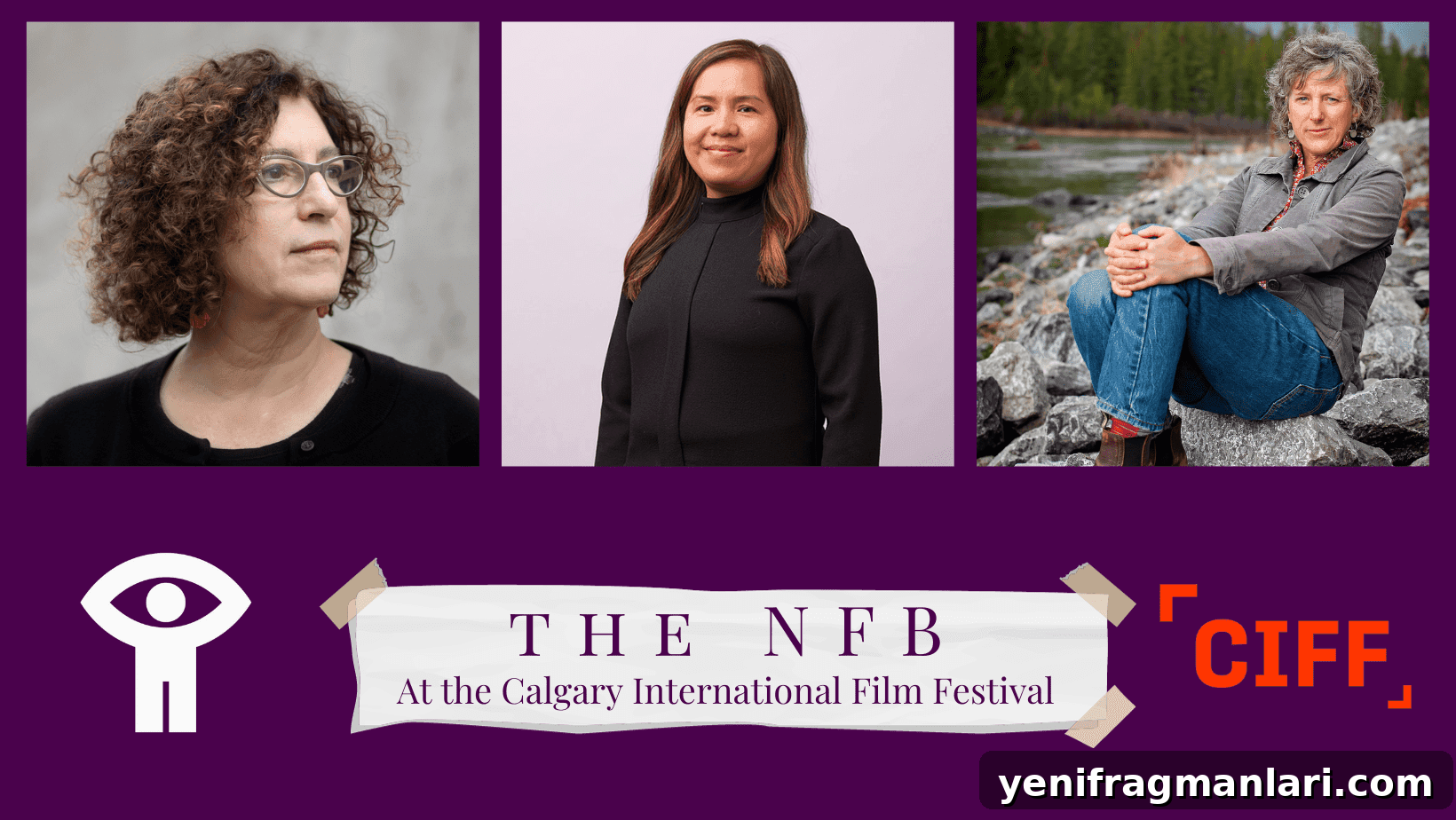
Playing at the Calgary International Film Festival
I recently interviewed the directors of three short films screening at the Calgary International Film Festival (CIFF). All three films were produced by the National Film Board of Canada and each offered a distinct creative voice and perspective.
The directors ranged from industry veterans to first-time filmmakers. Their shared dedication to storytelling and to communicating meaningful ideas through short film was consistently inspiring.
Janet Perlman — “The Girl with the Red Beret”
Video Courtesy of the National Film Board of Canada
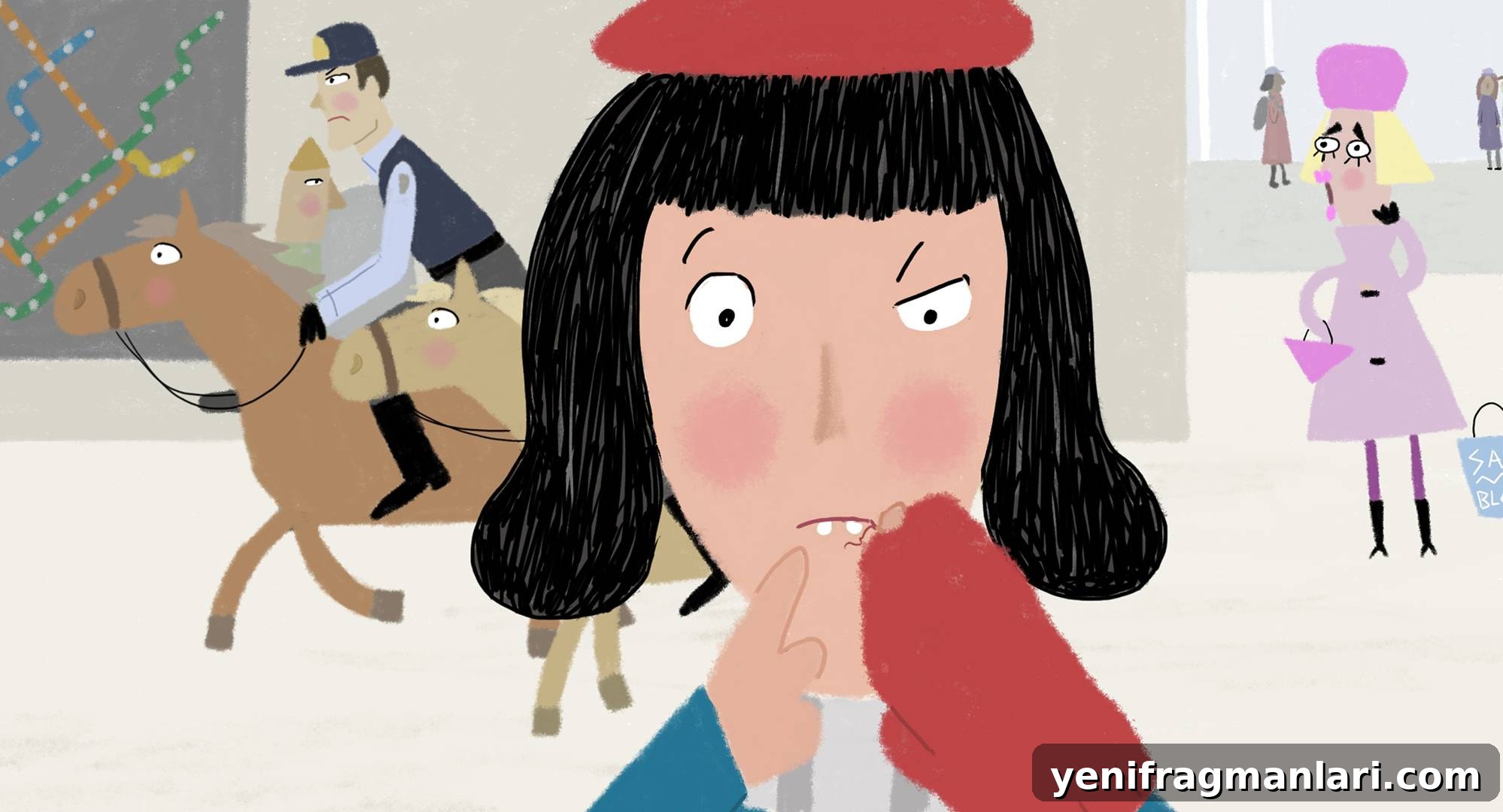
A young woman rides the Montreal metro and drifts from station to station, meeting eccentric characters and drifting through a quirky, musical journey filled with unexpected comic moments.
Thao Lam & Kjell Boersma — “Boat People”
Video Courtesy of the National Film Board of Canada
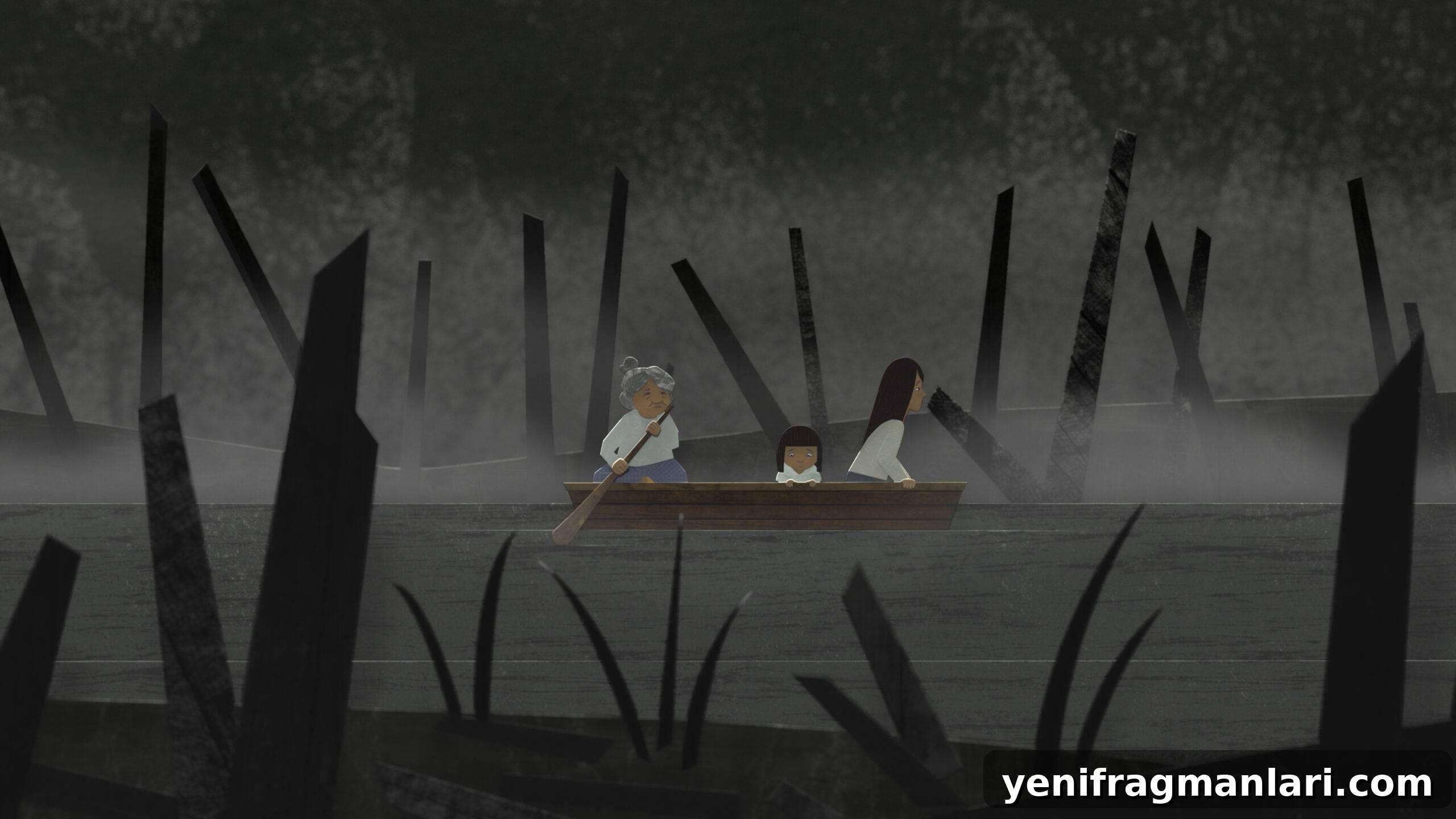
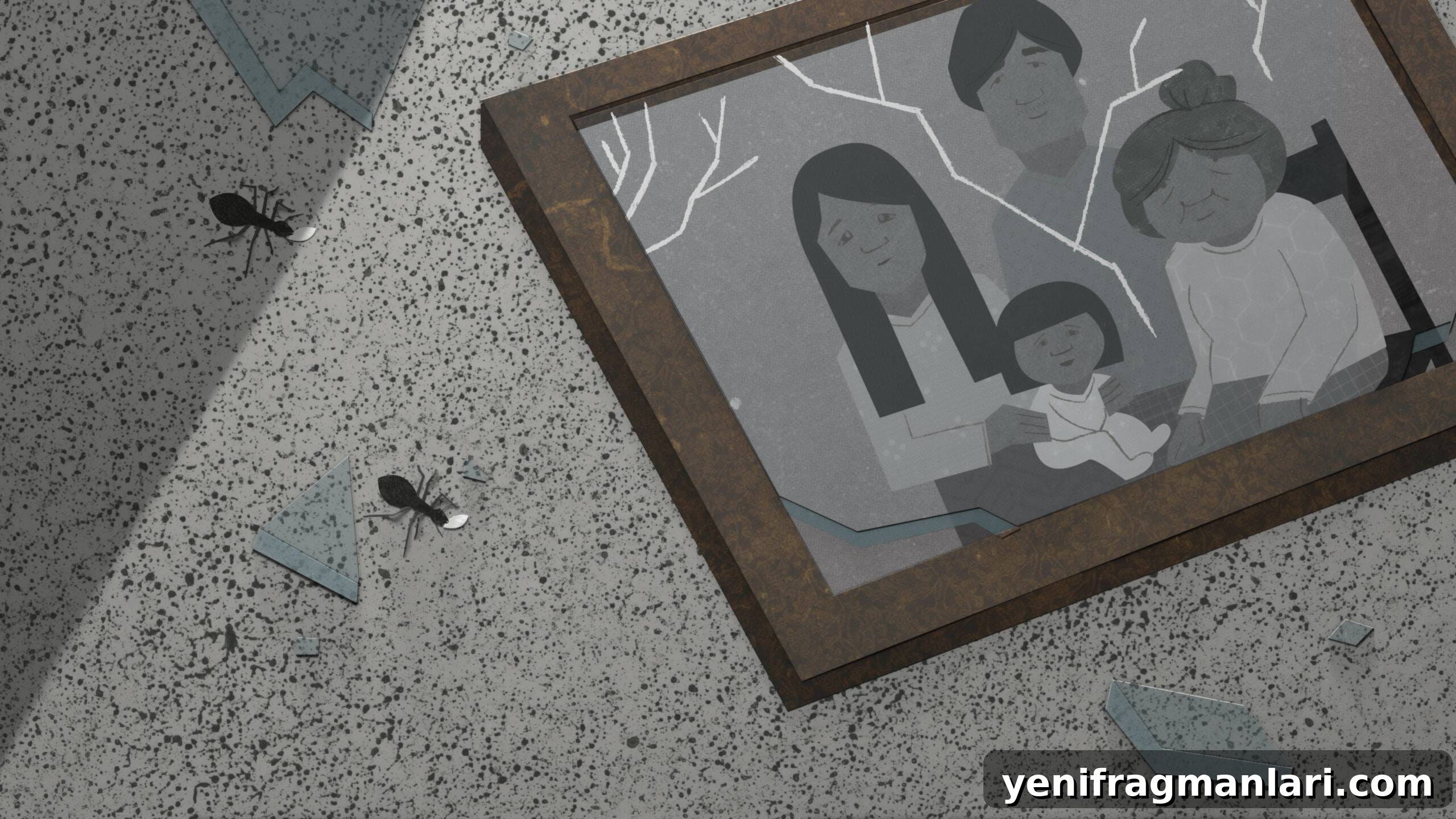
Inspired by a family story from Vietnam: a mother rescues ants from sugar water, and years later those ants become a guiding symbol that helps her family find a path to safety.
Leanne Allison — “Losing Blue”
Poster Courtesy of the National Film Board of Canada
Blue is the colour of memory. Drawing from the glacial origins of alpine lakes, this film examines Rocky Mountain lakes and the fragile processes that give them their extraordinary blue — and asks what it would mean if that blue were lost.
Janet Perlman on a Lengthy Career and Musical Inspiration
Adam Manery — You’ve been animating for five decades and are a prominent figure in Canadian animation. How did you get started, and what continues to motivate you?
Janet Perlman — I didn’t set out to be an animator. I attended art school where animation was a required course. At first I wasn’t that interested, but a project came to me that I loved. Teachers from the National Film Board of Canada showed their films at the school, and that work opened my eyes. I made my first film, it won a prize, and I landed a summer job at the NFB. I stayed for several years and kept making films. Animation lets me try different styles and collaborate with other creatives, which keeps it endlessly interesting.
I always need a project on the go. I enjoy narrative shorts like “The Girl with the Red Beret,” which I wrote and directed, but I also love animating other directors’ visions. Commercial work pays bills, but narrative animation is where my heart is. The process stays joyful for me — I enjoy the work from start to finish and I plan to keep making films.
Adam Manery — “The Girl with the Red Beret” is built around the song “Complainte pour Ste. Catherine,” popularized by Anna and Kate McGarrigle. How did the song become the basis for this film?
Janet Perlman — I’ve known the McGarrigle sisters for a long time. After a few proposals stalled, I suggested making a film inspired by that song. It wasn’t a fully formed premise at first — I loved the melody and its offbeat lyrics. When I listened closely to the words, I realized they’re a series of witty, sometimes disjointed images and lines. That looseness allowed me to create a visual world that matches the song’s playful, stream-of-consciousness tone.
I developed the story by sketching on the Montreal metro, photographing characters and collecting details. The film’s heroine draws from memories — at twelve I wore a beret, and Anna McGarrigle once did too — but she’s not strictly autobiographical. The film became about following a girl who drifts through a chaotic subway world without really noticing the spectacle around her.
Adam Manery — With Kate McGarrigle gone and Anna still active, how involved was Anna in the project?
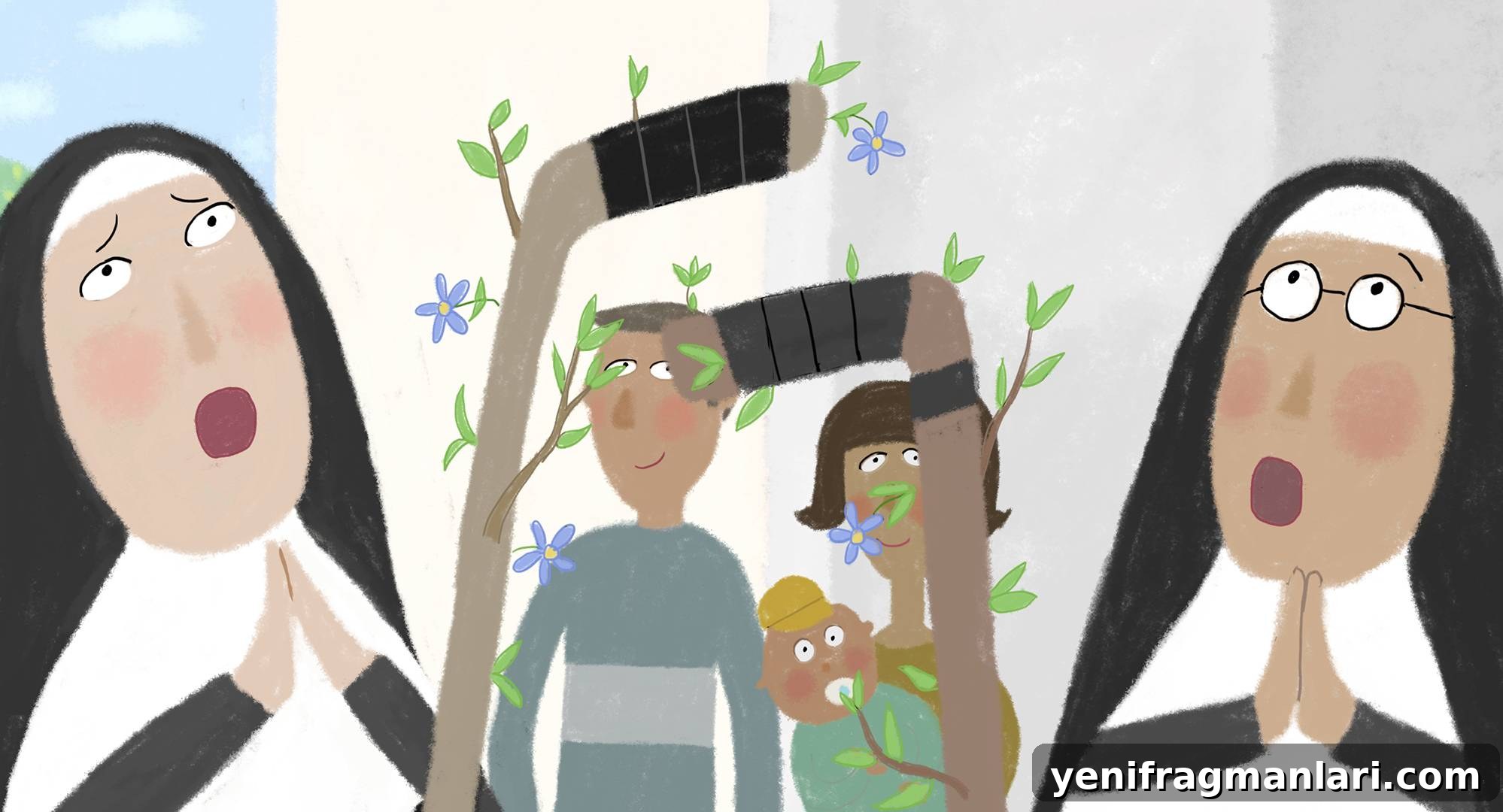
Janet Perlman — Anna was supportive and generous. She came by to talk about lyrics and the song’s origins, and she even participated in the soundtrack as one of the nuns and played accordion. We re-recorded elements of the track and were fortunate to bring in original collaborators and family members such as Martha Wainwright and Lily Lanken to capture the spirit of the original. Judith Gruber-Stitzer’s musical adaptation and sound design helped bridge the animation and music so the film felt cohesive even where the visual action stretches beyond the original two-and-a-half-minute song.
Adam Manery — The protagonist seems blissfully unaffected by the chaos surrounding her. Was that deliberate?
Janet Perlman — Yes. I constructed scenes — a thief, police, a clown, a harried shopper — and realized the central figure should remain a calm, almost passive presence. Film often insists on overt character arcs, but I liked the idea of staying with someone who simply moves through the world and lets everything unfold around her. The result is a whimsical, observational ride.
Thao Lam on Empathy, Memory and Translating a Book to Film
Adam Manery — “Boat People” began as your book The Paper Boat. Did you always see it as a film as well?
Thao Lam — From the start I imagined the story as a film because it’s fundamentally about movement — the journey from Vietnam to Malaysia and then to Canada. Movement is cinematic. Securing film funding took time and finding a partner who would take a chance on a newcomer was difficult. I published a book first to create momentum, and eventually the National Film Board became that partner.
Adam Manery — How did filmmaking differ from illustration for you?
Thao Lam — It was overwhelming and exciting. Film demands attention to sound, lighting, camera movement and pacing — aspects you don’t control in the same way in a picture book. The NFB provided patient mentorship, and my co-director Kjell Boersma guided me through technical and creative decisions. As a first film, it felt like discovery: intimidating at times, but exhilarating and full of learning.
The story draws on family memory. My mother’s tale about ants guiding them became a central image. That family legend, whether literal or metaphorical, shaped the film’s compassion and focus on sacrifice and resilience.
Adam Manery — The ant metaphor is strong throughout. Was that always central?
Thao Lam — My mother shared the ant story repeatedly, and it became a family legend. Researching ants deepened the metaphor: colonies cooperate, older members sacrifice, and the group survives through collective action. Those human instincts to protect family and to make sacrifices resonated with me and became a way to connect the refugee experience to an elemental natural model.
Adam Manery — You narrate the film. Was that planned?
Thao Lam — I resisted at first — I didn’t love hearing my own voice — but everyone thought it fit. Recording my voice helped ground the film personally and made the story feel intimate. Sound design was pivotal; we tried many musical directions before finding the right composer and sound mix. Film is collaborative; many people shaped the final piece, and that teamwork gave the story power beyond what I could accomplish alone.
Thao Lam — What do you hope viewers leave with?
I hope audiences come away with more empathy. Conversations about refugees are often reduced to politics, but these are people fleeing danger and risking everything for their children’s future. I want viewers to pause, to be kinder in how they talk about others, and to remember there’s always a human story behind headlines.
Leanne Allison on Nature as a Character and the Fragility of Colour
Adam Manery — Your films, like Being Caribou and Bear 71, often explore our relationship with the environment. When did that merge with filmmaking?
Leanne Allison — My environmental work led naturally to film. Early on I recorded footage for conservation efforts and realized the power of visual storytelling. A five-month trek following caribou provided material and momentum that became my first documentary. From there I kept looking for new ways to tell ecological stories, including interactive approaches like Bear 71, which gave voice to a grizzly navigating human-dominated landscapes.
Adam Manery — How did Losing Blue start?
Leanne Allison — The project began with scientists Janet Fischer and Mark Olson, who study Rocky Mountain lakes. They were regularly asked about the lakes’ vivid blue colour and concerns about climate change. They wanted a film that wasn’t a conventional scientific lecture and preferred not to appear on camera. I spent time with them in the field and learned how each lake has a unique origin and fate. All lakes are born from glacial or volcanic events and eventually fill with sediment — they live and die. That idea of time and loss inspired us to consider the lake itself as a character and to explore what it means to lose the blue we often take for granted.
Adam Manery — What do you want audiences to take away?
Leanne Allison — I hope viewers look at the sky and lakes differently. Blue is rare in nature and carries meaning connected to deep time. If people leave the film thinking about the fragility of colour and the processes that create it, perhaps they’ll be moved to care more about what we might lose and why preservation matters.
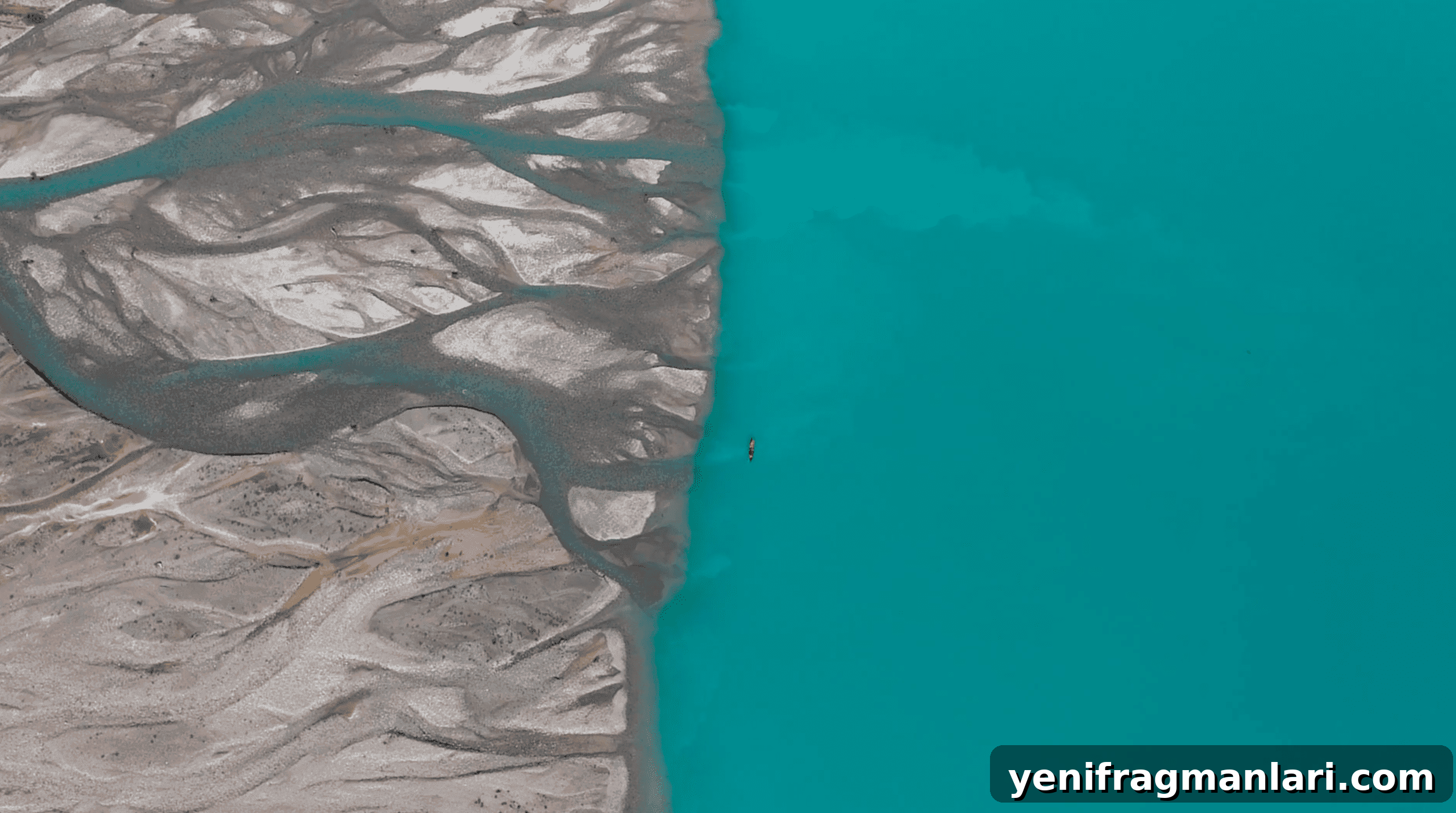
Image Courtesy of The National Film Board of Canada