
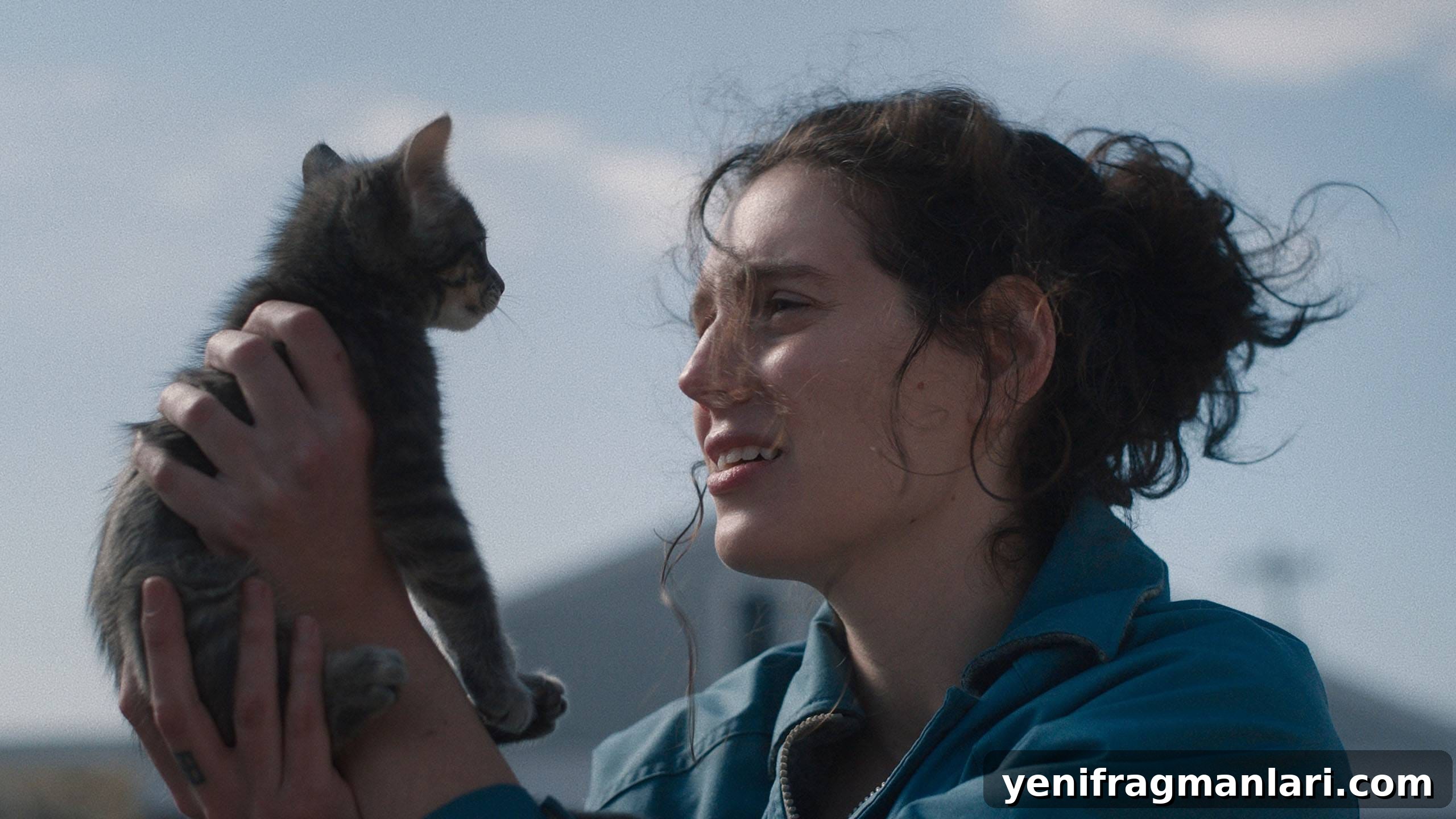
Sorry, Baby | A Conversation with Cinematographer Mia Cioffi Henry
Sorry, Baby is the feature directorial debut of Eva Victor, a writer and performer known for work in satirical outlets and magazines. While Victor has a background in performing and writing, she relied heavily on a creative partnership with cinematographer Mia Cioffi Henry to shape the film’s visual language. Over five years of the protagonist Agnes’ life, Cioffi Henry combined technical mastery — lenses, lighting, and camera movement — with psychological insight, using hair, costume, and color to mark time and emotion. The result is a measured, character-driven visual narrative that supports Victor’s intimate, humane storytelling.
Sorry, Baby is premiering at Sundance on January 27th, 2025
I spoke with Mia Cioffi Henry about her evolution as a filmmaker, her collaboration with Eva Victor, and the practical and subtle choices that allow Sorry, Baby to move through time while remaining emotionally coherent.
Mia Cioffi Henry on Her Path from Acting to Cinematographer of Sorry, Baby
You’ve worked across disciplines in film. How did you arrive at cinematography?
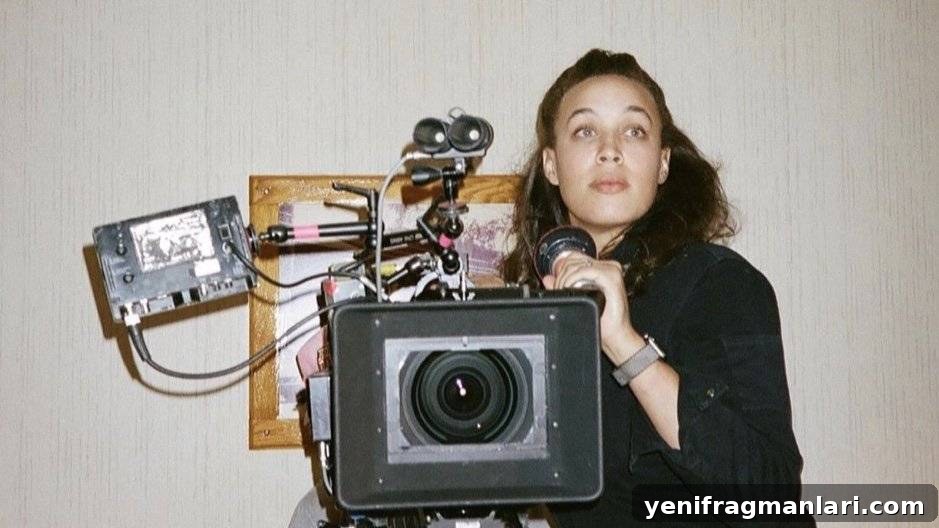
I began in acting and technical theatre, building sets and working backstage in a student-led environment that made me fall in love with the creative process. After studying acting in California and New York, I shifted toward production design because I enjoyed translating performance into three-dimensional space. From there I moved into film studies, which ultimately brought me to the camera department. My father was a cinematographer, so film and camera equipment were familiar to me, but I didn’t expect cinematography to become my path.
Working in a rental house taught me the mechanics of cameras and film. I started experimenting with celluloid — Super 8 and 16mm — learning to develop and manipulate footage in homemade ways. Those tactile experiments deepened my interest. Later, I earned an MFA in cinematography, and the role clicked for me because it unites technical craft and emotional storytelling. Cinematography lets you shape how an audience feels about an image, and that convergence of technology and feeling is what drew me in.
What is Sorry, Baby About?
How would you describe the film for those who haven’t seen it?
Sorry, Baby follows Agnes across five years as she struggles to recover from a traumatic event. The film begins at an ending and then moves backwards, tracing cycles of behavior and small, decisive steps toward repair. It’s a compact, intimate drama that emphasizes performance and interior life—an indie film in the classic sense, prioritizing character, subtlety, and emotional truth over spectacle. The story resonates because it’s about the quiet, persistent labor of getting unstuck.
Agnes, our main character, has to dig herself out throughout the film.
Sorry, Baby and Director Eva Victor
What was your working relationship with director Eva Victor like?
Eva brought enthusiasm and a clear sense of what she wanted, even though this was her first time directing a feature. Our process relied on mutual trust: she trusted me not to overstep, and I trusted her to claim what she needed. We spent extended time in prep, aligning on intention and practical choices, which meant we could be efficient and decisive on set. When disagreements arose, they were productive—about how to serve the scene rather than ego. The collaboration felt like shared brainspace, and that made for a strong creative partnership.
During prep, Eva and I would read each chapter description, look at each other, and name a colour that felt right. Amazingly, we often chose the same one.
We prepped shot lists thoroughly, revisiting the script multiple times to track small changes over years: light shifts, camera movement, costume, and performance choices. That discipline allowed us to match subtle temporal changes without altering lens sets or attempting flashy visual tricks. Instead, we tuned how the camera moved, how long a take lasted, and where we placed people in frame to reflect Agnes’ inner state across time.
The Cinematography of Sorry, Baby
Were there films that shaped the visual approach to Sorry, Baby?
Every project has reference films that help us remain emotionally grounded. For Sorry, Baby, Kelly Reichardt’s Certain Women was a key touchstone. That film’s quiet, observant style informed our focus on performance and the interaction between camera and actor. We didn’t copy shots; we used rhythmic and tonal cues to keep the emotional core in view.
How did you show shifts in time and season while keeping the film cohesive?
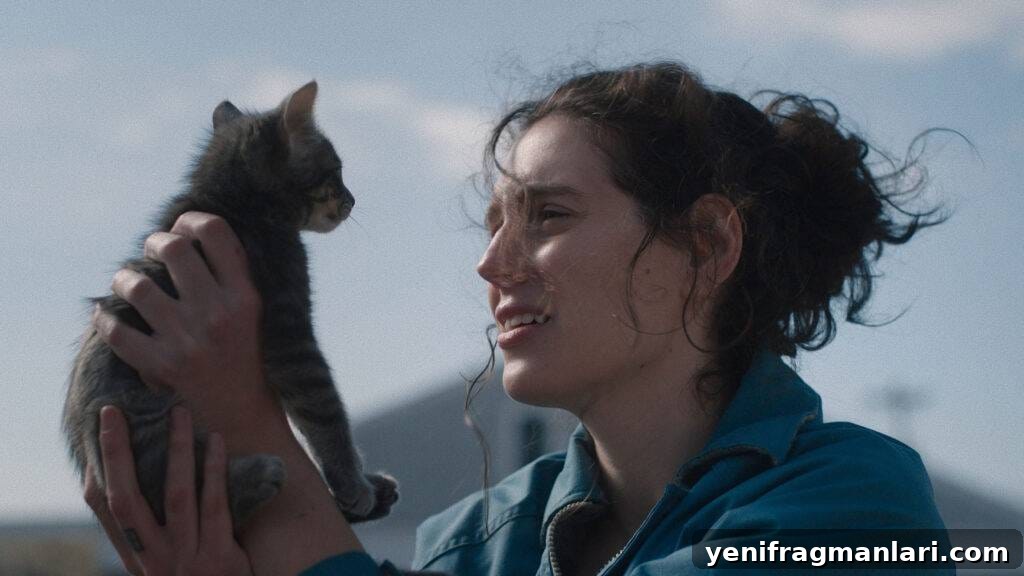
Rather than changing cameras or optics, we built rules and then varied them slightly for each chapter. Costume and production design signaled the passage of time, and we translated those choices into lighting and movement. Haircuts, the presence or absence of wardrobe layers, how clutter accumulated or was removed, and small props became visual markers. I developed a consistent visual framework—pacing, shot composition, and color choices—that we adapted across the five chapters so transitions felt natural and purposeful.
A memorable prep exercise was sitting in a hotel and assigning a color to each chapter. Those colors became shorthand on the script pages and guided our lighting and palette decisions on set.
Working with Producer Barry Jenkins
How did Pastel and producer Barry Jenkins support the project?
Pastel, led by Barry Jenkins and Adele Romanski, engaged early and thoughtfully. Their involvement began in development, shaping script, team, and approach rather than merely attaching at the end. They offered guidance without imposing creative control, allowing Eva and the team to develop the film while providing experienced, steady support. Having them on set and in development was encouraging—their taste and trust in emerging filmmakers helped the project thrive.
Quick Questions: Directors, Films, and Playing at Sundance
If you could work with any director, who would it be?
David Lynch—someone who takes creative risks and values collaboration. I’m drawn to directors who want to make films that you feel as much as you watch.
What film most inspires you from a cinematography perspective?
Aftersun and A Ghost Story are two that consistently influence me. Both use visual simplicity and duration to deepen emotional impact rather than rely on surface prettiness.
Which Sundance films are you hoping to see?
I plan to catch a few key titles and support friends and former students whose work is playing. Sundance is a mix of screenings, panels, and community—an important space for independent cinema.
Read More:
- Sundance Coverage
- Interviews
- Film Reviews
More About Mia Cioffi Henry (from www.miacioffihenry.com)
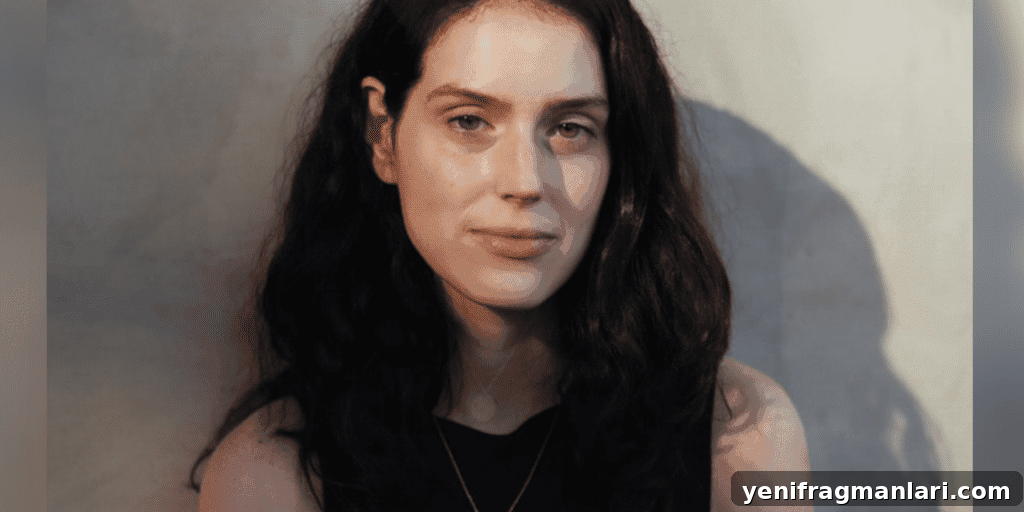
Mia Cioffi Henry is an IATSE Local 600 Director of Photography working between New York City and Pescara, Italy. She shoots feature films, television, commercials, and music videos that have premiered at major film festivals including Sundance, SXSW, New York Film Festival, and Berlinale.
With a background in dance, production design, and still photography, Cioffi Henry draws inspiration from melodrama, the color work of William Eggleston, and the way light can make the ordinary feel extraordinary.
She earned an MFA in Cinematography from NYU Tisch, where she was a Dean’s Fellow and Graduate Assistant. Her honors include the Nestor Almendros Award for Outstanding Achievement in Cinematography and recognition as a finalist for the ARRI Volker Bahnemann Award. Her work has received jury awards at SXSW and Locarno. Cioffi Henry currently leads the Cinematography program at NYU Tisch’s Graduate Film program.
She is active as a mentor and member of professional collectives that support women and BIPOC cinematographers and continues to teach and collaborate with emerging filmmakers.