
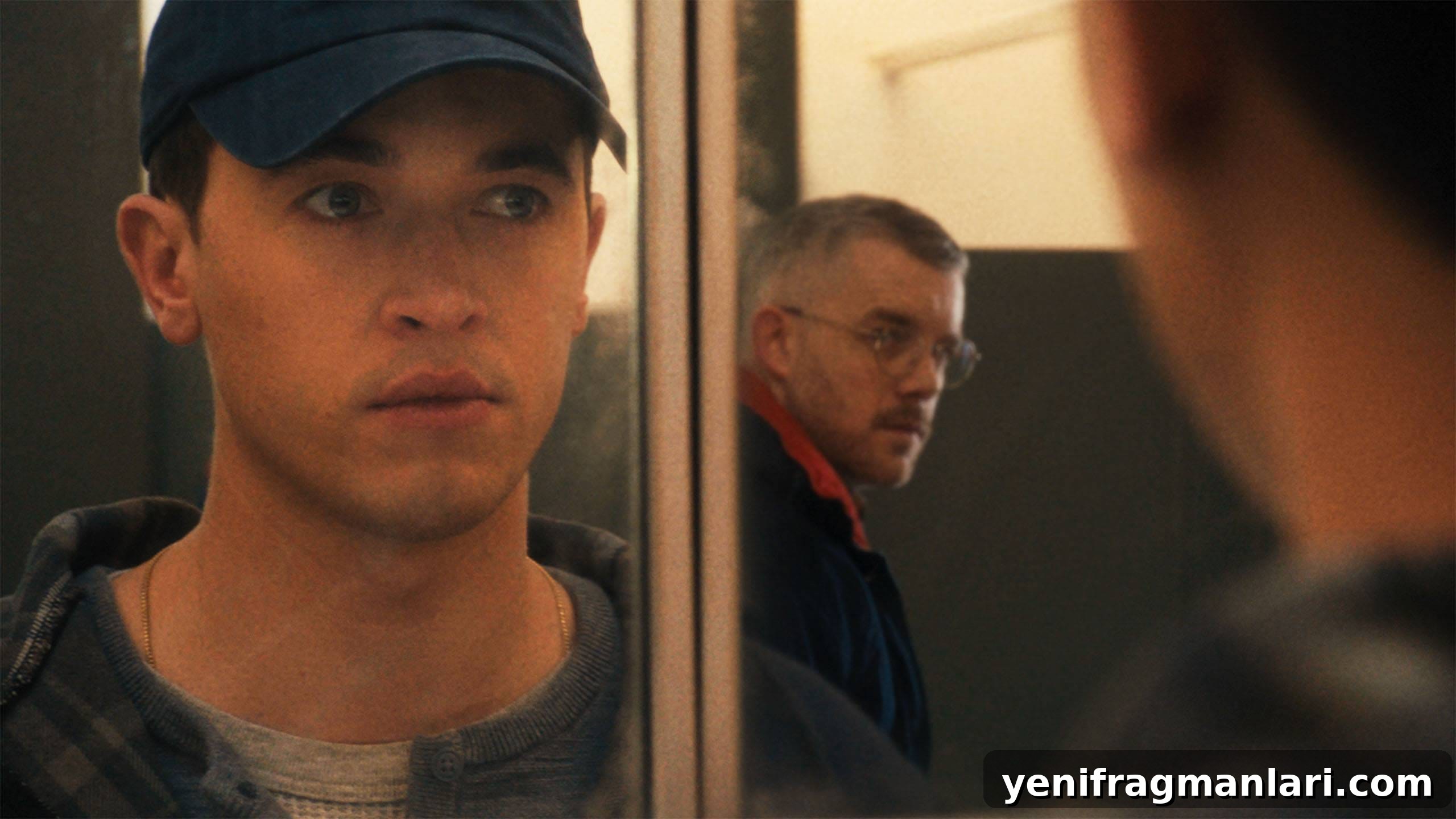
Cinematographer Ethan Palmer on Plainclothes and Crafting the Aesthetic of a Sundance 2025 Breakout
Plainclothes arrived at Sundance 2025 with modest expectations, but it quickly became one of the festival’s most talked-about films. Strong, layered performances by Tom Blyth and Russell Tovey drew attention, while director Carmen Emmi and cinematographer Ethan Palmer created a distinct visual language that amplified the film’s emotional core. Their choices — from claustrophobic zooms to lo-fi Hi-8 camcorder inserts — shaped a tense, intimate aesthetic that underscored the story’s anxiety and nostalgia.
Plainclothes was awarded the Sundance US Dramatic Special Jury Award for Ensemble Cast and ranked among the Top 5 Films of the 2025 Sundance Film Festival.
I spoke with Ethan Palmer about how he approached the cinematography: joining the project late, collaborating quickly with a writer-director, and assembling a mix of cameras and lenses to serve the film’s themes. Below is our conversation, edited and condensed for clarity.
The Making of Plainclothes and Premiering at Sundance
Adam Manery: What was it like to be at Sundance?
Ethan Palmer: Reaching Sundance felt like the payoff for a lot of uncertainty. You take risks on projects and trust your instincts — on the script, the director, and the team. This one came together quickly; I had only about three weeks of prep. That compressed timeline forced me to rely on my instincts and the work we did on set. Seeing the film receive recognition at the premiere, and hearing Kim Yutani’s support, was incredibly rewarding.
You joined the film late. How did you find working with Carmen Emmi?
It’s a familiar mode for me — jumping into projects with little prep is part of my commercial and narrative work. The key is listening first. A writer-director, especially, has lived inside the script for a long time, so respect and attentive collaboration are essential. Carmen and I clicked quickly: we spoke the same visual language and were able to translate ideas into practical camera and lighting choices fast.
Film References and Musical Inspiration for Plainclothes
What were some of the visual inspirations for the film?
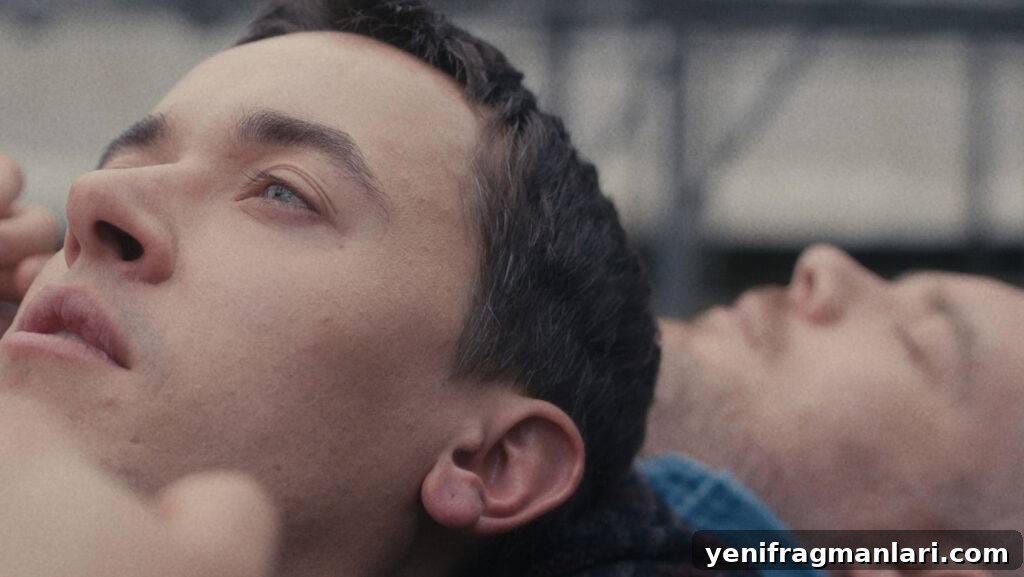
Carmen and I immediately referenced films like Black Swan and Carol — works that balance stylization and emotional interiority. We scouted locations together, including a mall that’s central to the story and to the main character Lucas’s (Tom Blyth) patrols. Carmen had already shot some Hi-8 footage himself, and that prosumer camcorder texture became a deliberate layer in the film’s look.
We used shared playlists and a Dropbox folder of images to anchor the film’s mood in the late ’90s, a decade we wanted to reflect truthfully, not nostalgically. I also draw heavily from photojournalism and everyday imagery to ground scenes in reality. Those non-film references inform color, composition, and the human moments we aim to capture.
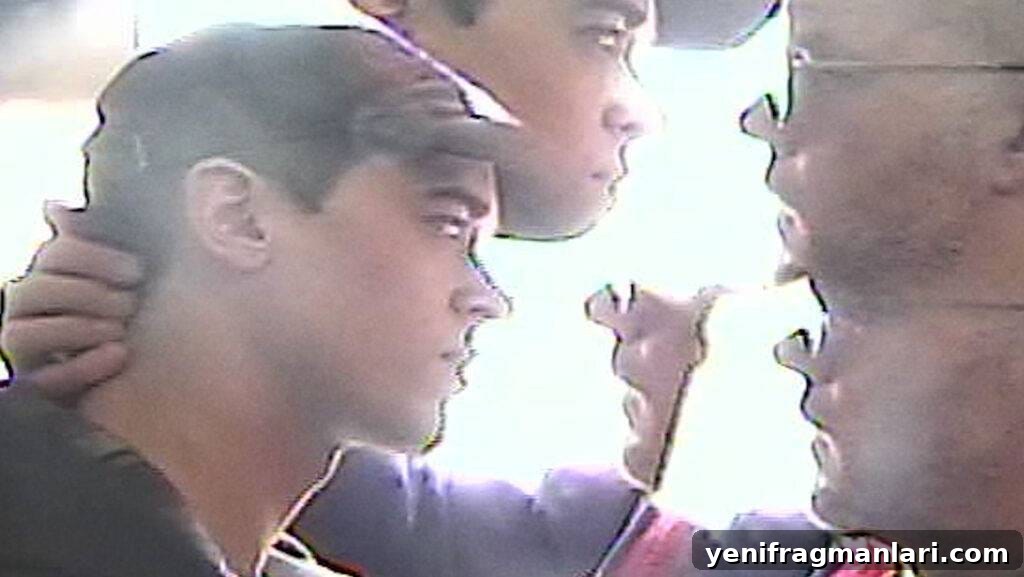
We wanted the Hi-8 inserts to act as a lo-fi mosaic — a prism of textures that mirrored Lucas’s anxiety while also nodding to the evolving technology of the ’90s.
Shooting on a Camcorder and Using Zoom Lenses in Plainclothes
You used a range of cameras and lenses — Hi-8, ARRI Alexa 35, FX3, and vintage options. How did that combination evolve?
The approach was deliberate: combine the Hi-8’s grainy, pixelated texture with higher-end cinema cameras to build a layered visual palette. On the Alexa 35 we used a Super 16 mode and vintage 16mm zooms and primes to emulate the tactile qualities of film. Budget and workflow prevented shooting actual 16mm, but the lens choices and aspect felt close to the references Carmen gave me.
We also integrated archival-style footage to support an early sting operation sequence; that material blended naturally with the 16mm-inspired elements. Zooms were an aesthetic choice too — influenced by filmmakers who used them to compress and intensify moments. We employed handheld work, dolly, Steadicam and locked-off setups, often using slow, controlled zooms to make the world feel like it’s closing in on Lucas or, in contrast, to create intimate, romantic frames.
You prepare meticulously, but remain open to what actors bring. Blocking changes or a spontaneous beat can prompt a different camera choice that ends up being the right one.
On set, Carmen and I maintained a detailed shot list — more of a wish list given our time constraints — that set minimum coverage for each scene. Once filming began, we let performances guide us. I operated the camera throughout, responding to the actors and the moment: sometimes a single take captured everything we needed. Attentiveness to actors is crucial; ignore that and the cinematography loses its emotional clarity.
Quick Questions with DP Ethan Palmer
If you could work with any director, who would it be?
I’m reluctant to pick favorites, but I’d say Darren Aronofsky — I admire his fearless approach and strong visual sensibility.
What film inspires you from a cinematography perspective?
Right now I’ll pick Carol. It’s a masterclass in subtle, structured cinematography: stylized yet restrained, with a complexity that reads as simplicity.
Did you see any films at Sundance?
I didn’t manage to see anything while I was at the festival; that effort is often focused on the premiere. I was hoping to catch If I Had Legs, I’d Kick You, but time didn’t allow it.
Read More:
- Sundance Coverage
- Interviews
- Film Reviews