
The True Beauty of Being Bitten by a Tick – What It Means to Be an Indie Film
What is The True Beauty of Being Bitten by a Tick About?
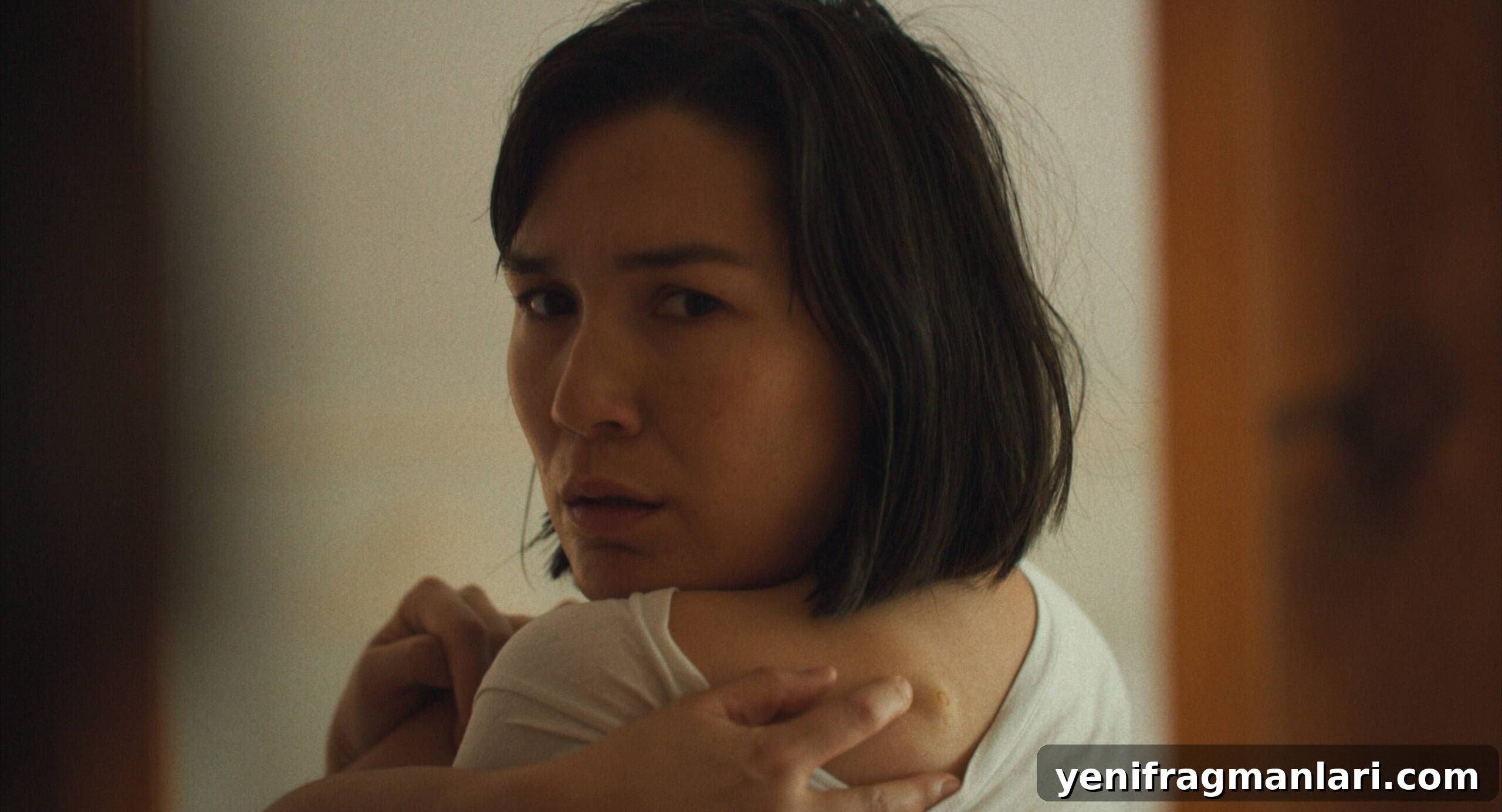
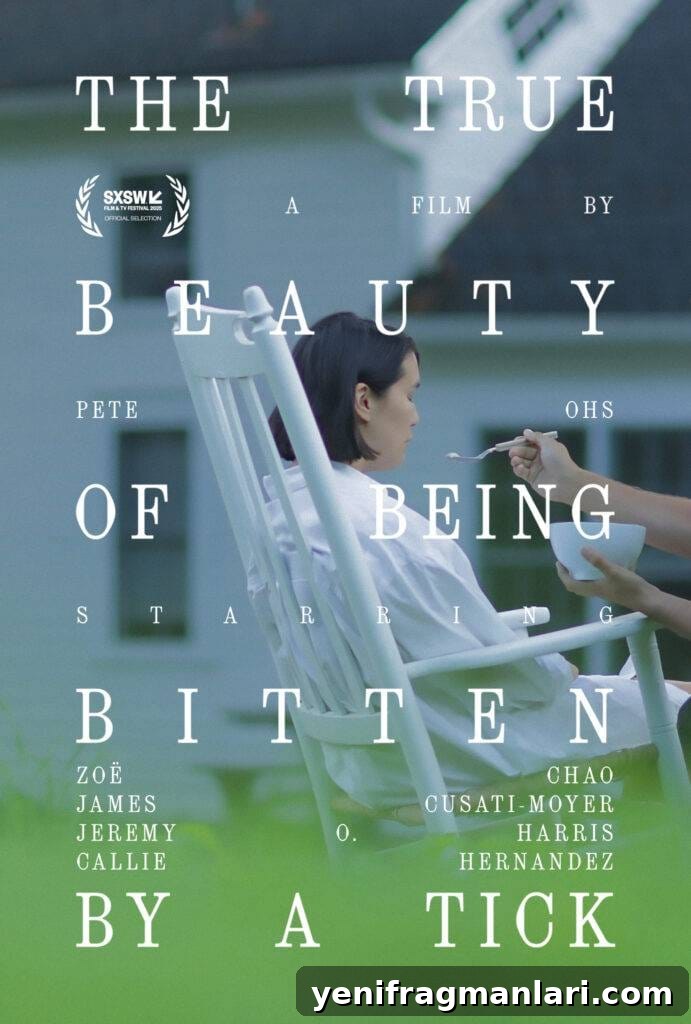
Premiering at the 2025 SXSW Film & TV Festival, The True Beauty of Being Bitten by a Tick is the latest feature from filmmaker Pete Ohs, who has become known for inventive storytelling on micro-budgets. The film centers on Yvonne, who, reeling from a personal loss, retreats to the countryside to visit her friend Camille. At the rural house she encounters two other characters, A.J. and Isaac, who may or may not be permanent residents. What starts as a calm weekend of fresh food and pastoral escape slowly shifts when Yvonne is bitten by a tick. As worrying symptoms emerge, the serene setting unravels and reveals a deeper, more unsettling reality beneath the surface.
Ohs crafts a slow-burning tale that blends surreal horror with absurdist humor. The result is a film that reads both as a study in fear and a hands-on exercise in collaborative, experimental filmmaking. Its deliberate pacing and tonal shifts make it a distinct entry in contemporary indie horror.
Pete Ohs’ Process – The “Table of Bubbles” Approach
At the core of The True Beauty of Being Bitten by a Tick is Pete Ohs’ now-signature method, which he calls the “table of bubbles.” The idea is that creativity thrives without external pressure: the process should feel weightless, adaptable, and free from constraints. Ohs adopts a highly collaborative workflow, favoring a small crew and a willingness to construct the film as it is being shot. That approach has produced five films in five years, each shaped by spontaneity and resourceful problem-solving.
For this project, Ohs widened his circle of collaborators, sharing writing credits with Jeremy O. Harris, Zoë Chao, Callie Hernandez, and James Cusati-Moyer. Hernandez, who previously worked with Ohs, also produced alongside Jeremy O. Harris and Josh Godfrey under their production banner, bb2. The ensemble cast and crew developed the narrative through improvisation and continual scene refinement, allowing the story to transform organically during production. This low-pressure, iterative mode of working is a hallmark of contemporary independent filmmaking and a large part of why Ohs’ films feel immediate and alive.
The “table of bubbles” philosophy here reaches a confident execution: the film feels like the product of many voices shaped toward a cohesive, if enigmatic, vision.
Setting the Tone Through Cinematography and Sound
From its opening frames, the film establishes an eerie, almost hypnotic mood. Early shots are locked-off images of trees, shrubbery, and sky—no human figures—while a score of insect chirps and a subtle, persistent buzz create a disquieting stillness. Even the credits unfold slowly, letter by letter, signaling that the film will take its time to reveal itself.
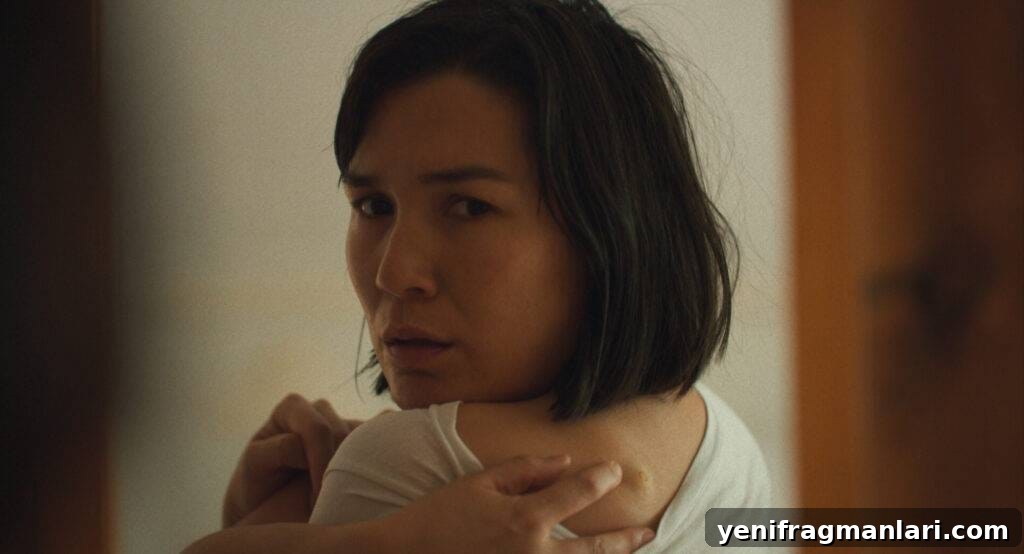
Visually, Ohs blends surrealism with a voyeuristic eye. The camera follows Yvonne through tall grass like an invisible observer; at the dinner table, fish-eye lenses distort the scene, making the domestic space feel both claustrophobic and distant. The house shifts in color palette—from warm pinks to deep reds—tracking the story’s tonal descent, and rolling shots toward Yvonne’s bedroom window underscore a growing instability. The cinematography is deliberate but never stiff: it mirrors the film’s themes of disconnection, anxiety, and the gradual dissolution of time.
Absurdity and Unease in The True Beauty of Being Bitten by a Tick
Although the film is steeped in dread, Ohs and his team embrace absurdity rather than strict realism. The sound design foregrounds exaggerated chewing and other intimate noises, leaning into the grotesque for comedic and unsettling effect. Deadpan lines—such as the offhand “maybe diabetes” in reference to Yvonne’s dog, and the blunt praise “the produce is so f***ing good”—land with an odd mixture of humor and discomfort. James Cusati-Moyer’s performance as A.J. highlights this tonal balance, embodying the film’s tendency to tilt into the over-the-top.
At one point, A.J. and Isaac break into a villainous laugh, a knowingly theatrical moment that underlines how the film plays with performance. It’s not straightforward horror; instead, the film uses its absurd, sometimes theatrical beats to comment on how adulthood is performed—and how those performances can feel hollow or performed within constraining social expectations.
Fear, Domesticity, and the Relentless Nature of Time
Ohs weaves existential concerns about death and domestic life throughout the film. After the bite, Yvonne remarks matter-of-factly, “I can’t stop thinking about dying,” a line that foregrounds the film’s preoccupation with mortality. Time itself begins to blur: characters sleep for days or even weeks, and the narrative loops in a cyclical fashion that emphasizes how once time is lost it cannot be recovered.
The film also interrogates domestic rituals. Ordinary acts—cooking together, praising organic produce, playing literary games—take on an eerie quality, revealing how people often settle into repetitive, unambitious patterns. These small routines become a lens through which the film explores resignation, routine, and the fear of a life that has been diminished by conformity.
Final Thoughts – It Won’t Be For Everyone, But…
The True Beauty of Being Bitten by a Tick is not a conventional crowd-pleaser. Its deliberate pacing, tonal ambiguity, and willingness to shift between dread and absurdity will frustrate some viewers. Yet for fans of indie horror, collaborative filmmaking, and films that push aesthetic boundaries, it offers a rewarding and singular experience.
Pete Ohs shows again that micro-budget filmmaking can be expansive in imagination. With a committed ensemble, an adaptable process, and a readiness to embrace uncertainty, this film stands as a strong example of contemporary independent cinema—one that proves small budgets need not limit ambition.
The True Beauty of Being Bitten by a Tick — Teaser Video
Read More:
- Interviews
- Film Reviews