
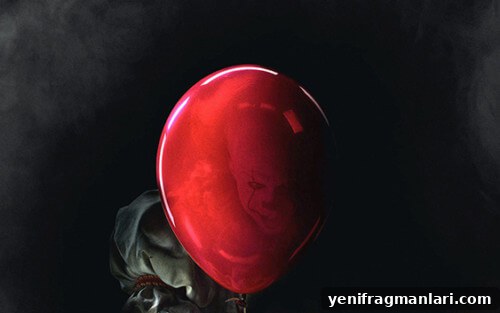
IT (2017)
Director: Andy Muschietti
Cast: Jaeden Lieberher, Jeremy Ray Taylor, Sophia Lillis, Finn Wolfhard, Chosen Jacobs, Jack Dylan Grazer, Bill Skarsgård
Plot: In the small town of Derry, Maine, children disappear and a group of young friends joins forces to uncover the cause. Their investigation reveals an ancient, shape-shifting entity that often appears as a sinister clown called Pennywise. The kids must confront their deepest fears to try to defeat IT.
IT (2017) arrived with enormous expectations: an adaptation of Stephen King’s acclaimed novel and a reinterpretation of a character long associated with Tim Curry’s 1990s portrayal of Pennywise. Director Andy Muschietti leaned into modern horror sensibilities while respecting the source material, producing a film that balances nostalgic 1980s atmosphere with sustained, often brutal scares. The movie’s commercial success reflected this approach, and its cultural impact has been notable among horror fans and mainstream audiences alike.
At the center of the film is Bill Skarsgård’s Pennywise, a performance that quickly defines the tone. Skarsgård transforms the clown into something less recognizably human and more monstrous: his vocal inflections, sudden, jerking movements and unsettling smiles make the character deeply uncanny. Where Curry’s Pennywise relied on a chillingly human cadence and a menacing grin, Skarsgård emphasizes the creature’s otherworldliness — a domed forehead, dead-eyed gaze, long teeth and frequent drooling — creating an image that is nightmarish and unpredictable. This portrayal anchors the movie and is arguably its greatest single strength.
The young ensemble cast supports Skarsgård admirably and brings much of the film’s heart. Actors including Jaeden Lieberher, Sophia Lillis and Finn Wolfhard deliver believable, sympathetic performances that sell both the camaraderie and vulnerability of childhood. Their interactions provide warmth and levity that contrast the film’s darker moments, making the threats feel more personal. The chemistry among the children helps the movie avoid descending into pure shock value and keeps the audience emotionally invested in their fight against fear.
Andy Muschietti’s direction showcases his skill with horror visuals and tonal shifts. He preserves memorable beats from the original book and television adaptation while amplifying the visceral elements: deaths are more graphic, and imagery is bolder and more direct. Muschietti combines idyllic, sunlit scenes of summer fun with sudden, jarring horrors to create a persistent feeling of unease. Moments such as Beverly’s sink sequence—transformed here into a dramatic, blood-filled tableau—demonstrate the director’s willingness to push boundaries and cater to contemporary tastes for intense visuals.
Cinematography plays an important role in setting the film’s mood. Wide, picturesque shots of the town and the children’s outdoor escapades evoke the feel of a carefree summer, which makes the sudden intrusions of Pennywise all the more jarring. Close-ups and skewed camera angles are used to escalate tension and emphasize the monstrous nature of the antagonist. These contrasts — beauty against dread — keep viewers off balance and reinforce the film’s central theme: that terror can lurk beneath ordinary surfaces.
Benjamin Wallfisch’s score further elevates the atmosphere, mixing eerie motifs and distorted carnival music that linger in the mind. The soundtrack alternates between sparse, menacing cues and fuller, orchestral swells that amplify key scares. Complementing the original score, the film’s period music selections evoke the 1980s setting and add a nostalgic layer that balances horror with a sense of time and place.
Despite its strengths, IT is not without flaws. Some of the children’s dialogue aims for lighthearted banter but occasionally becomes repetitive or overplayed, which can undercut the tension. The film also leans into a romantic subplot that sometimes distracts from deeper explorations of certain characters’ personal struggles—most notably Beverly’s fraught relationship with her father, which could have been developed more fully to strengthen her arc. These are points where the film favors crowd-pleasing beats over more nuanced character work.
Overall, IT (2017) largely fulfills the promise of its hype. It modernizes Stephen King’s tale while honoring its core themes: childhood fear, friendship and the lingering power of trauma. Bill Skarsgård’s Pennywise is a defining element and will likely be remembered as a landmark performance in contemporary horror. For fans of Stephen King and genre enthusiasts, the film is a compelling, often terrifying experience that balances scares with sincere emotional stakes. The movie sets the stage well for the promised second installment, leaving audiences eager to see how the story concludes.
Score: 20/24