
Dead Lover: A Film Destined for Cult Status
The Story of Dead Lover
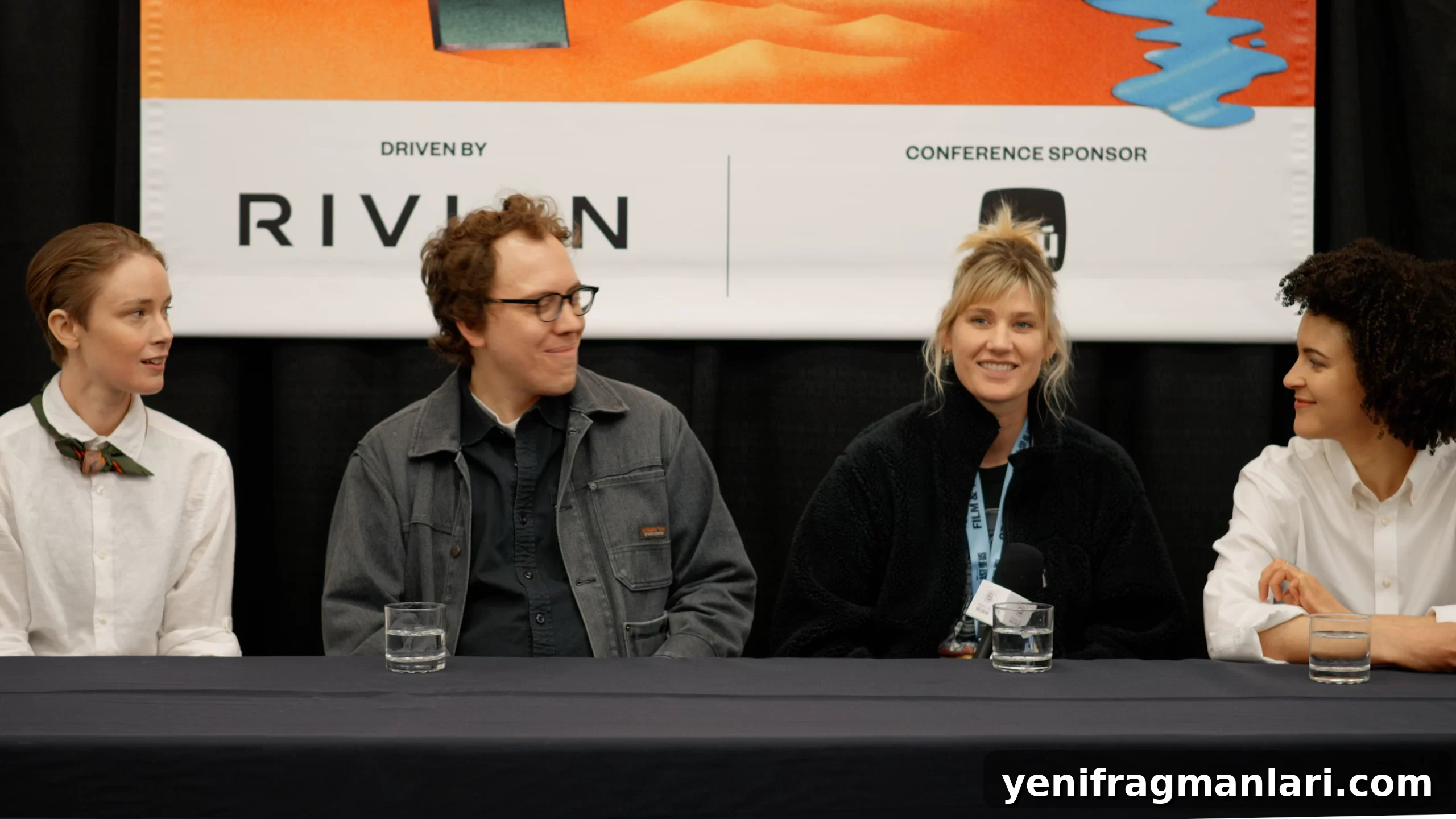
Few contemporary indie films arrive with the wild, uncompromising energy of Dead Lover. The second feature by Grace Glowicki, the film mixes romance, horror, dark comedy and body-horror into a singular, often shocking experience. Glowicki stars alongside Ben Petrie, Leah Doz, and Lowen Morrow. After premiering in a late-night festival program where it earned strong attention, the film continued its festival run and later screened at SXSW, where cast members discussed the project’s offbeat origins and collaborative process.
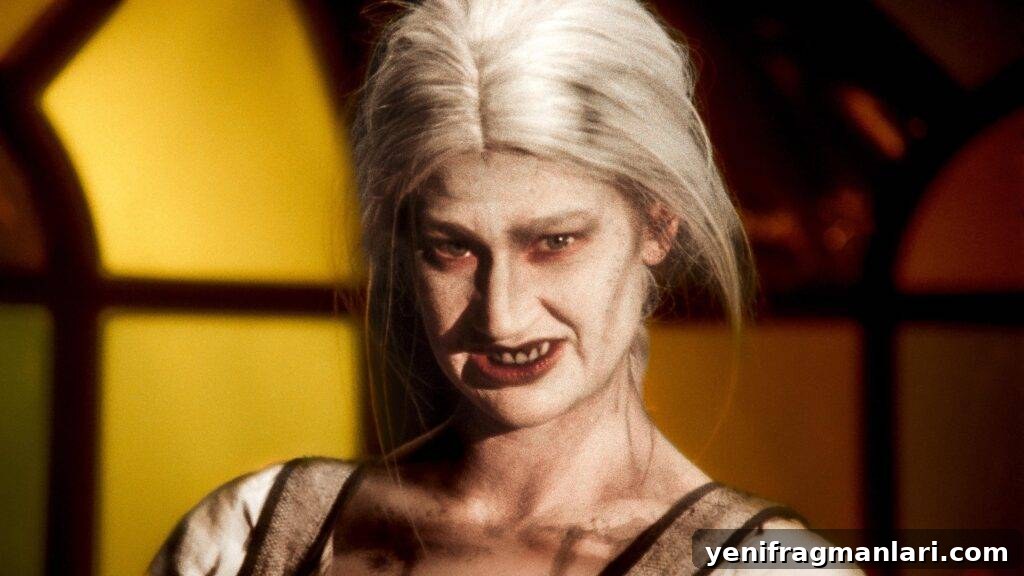
At its heart, Dead Lover is a strange love story. Glowicki plays a lonely gravedigger whose life is defined by an overpowering odor of the dead, a barrier to intimacy. When she finally finds an intense connection with a man played by Petrie, that romance ends abruptly when he drowns. Crushed by grief, she embarks on a desperate, grotesque quest—conducting body-horror experiments to bring him back. Co-written by Glowicki and Petrie, the film balances absurdist comedy with a probing examination of love, identity, obsession and loss.
The film began with instinct and a small circle of collaborators. Glowicki says she “just knew” she wanted to make a movie and developed ideas through free association with friends, including therapists and fellow filmmakers. Some of the film’s surreal imagery came from offbeat inspirations—a friend’s dream about a burlap bag that revealed a bizarre, animate object became one of many uncanny seeds for the movie.
The production embraced an ensemble-driven, collaborative approach from the outset. Rehearsals functioned like a theatre troupe, with actors working together for weeks to build character, movement and tone. That rehearsal period informed the improvisational energy that defines much of the final film, allowing performers to take ownership of their roles and contribute to the evolving script.
After its initial festival success, Dead Lover secured North American distribution through a new partnership called Cartuna x Dweck. That acquisition, one of the notable sales out of SXSW, points to a wider release strategy that should bring the film to theatrical audiences. Hannah Dweck, co-founder of the acquiring company, praised the film’s audacity and originality, describing it as an exuberant, unrestrained rom-com that will find a passionate audience.
Already, Dead Lover is staking its claim as a future cult classic—an idiosyncratic, visceral film that invites strong reactions and repeat midnight screenings.
Bringing Dead Lover to Life
Dead Lover is an unhinged romantic horror-comedy built on bold character work, improvisation and a theatrical performance style. From the earliest drafts, Glowicki shaped the project through a hybrid process that blended scripted narrative with devised theatre, giving actors the freedom to explore and expand their parts.
Lowen Morrow, who has a theatre background, describes the rehearsal period as much like preparing a stage production. The cast read, improvised around scenes and used physical exercises to discover how their characters moved and interacted. This collective groundwork translated into a set environment where spontaneity was embraced—sometimes the script was set aside and scenes were improvised to capture raw, immediate moments.
That improvisational spirit extended to characters that were still evolving when shooting began. Ben Petrie recalls that some roles—like an offbeat group of sailors—came together on the day of filming. Costume choices and playful discoveries in performance clarified those characters instantly. The result was organic: actors reached into unexpected places and pulled out choices that felt true in the moment.
Because the production invited experimentation, improvisations often made their way back into the script, creating a feedback loop between writing, rehearsal and shooting. Directors and cinematographers adapted to that energy, testing different approaches on the fly and incorporating actor-driven ideas into the film’s form. The collaborative, risk-taking atmosphere is a core reason the movie feels unpredictable and alive.
The Visual Language of Dead Lover
Visually, Dead Lover aims to feel handcrafted and immediate—an aesthetic closer to experimental low-budget theatre than conventional cinematic polish. Glowicki sought a look that relied on suggestion and texture rather than realism, and her production team brought that vision to life with a DIY sensibility.
Becca Brooks Morrin, the production designer, embraced the film’s rough theatricality, while Courtney Mitchell and the makeup artists developed costumes and prosthetics that emphasize decay, intimacy and odd beauty. This handmade approach gives the movie its distinctive atmosphere: familiar materials and theatrical techniques reimagined for the screen.
The cinematography amplifies that tactile feel. Shot in 16mm on Bolex cameras, the film’s grainy texture and rich palette contribute to an otherworldly, sensory experience. Cinematographer Rhayne Vermette worked without a fixed shot list, responding each day to blocking, colors and mood. That openness allowed the visual design to shift with the actors’ performances—camera choices and framing often evolved from discussions on set and from suggestions made by performers.
Scenes were lit and shot with a willingness to improvise, producing compositions that feel both intimate and dreamlike. The film’s analog textures, bold color choices and tactile production design work together to create an aesthetic that is personal, imperfect and emotionally resonant.
The Theatrical Experience of Dead Lover
Dead Lover thrives as a communal experience. Screenings at festivals produced a range of reactions—laughter, gasps and bewildered silence—reactions the filmmakers welcomed. Seeing the film in a crowded theatre gave the cast a different perspective on their work and reinforced the theatrical roots of the project.
Lowen Morrow found the audience experience surprising and illuminating, noting how seeing the film with others revealed layers of the performance they hadn’t anticipated. Ben Petrie remembers the surreal feeling of watching intense scenes knowing family members were in the room. These kinds of moments underscored how the film’s provocative content can feel especially potent in a live setting.
For the creative team, festival screenings confirmed that the film’s boldness makes it ideal for theatrical presentation. The live audience becomes part of the work’s emotional equation; the collective response heightens the film’s shock, humor and heart. That energetic exchange suggests Dead Lover will be most thrilling when seen with others, in dark rooms where its uncompromising voice can spark strong reactions.
Final Thoughts: Dead Lover and Its Cult Future
Dead Lover is a film built to linger. Its mix of grotesque invention, fierce romanticism and a DIY aesthetic makes it ideal material for midnight screenings, cult followings and ongoing conversation among fans of daring independent cinema. The film’s acquisition by Cartuna x Dweck and the plan for a theatrical rollout indicate it will reach audiences who seek strange, uncompromising stories.
Bold, strange and unapologetically original, Dead Lover challenges viewers and rewards those open to experimental forms. With its handcrafted visuals, ensemble-driven performances and improvisational spirit, the film stakes a claim as a memorable entry in contemporary cult cinema—one that will continue to be discussed, dissected and celebrated by audiences who love the weird and the wonderful.
Read More:
- SXSW
- Interviews
- Film Reviews