
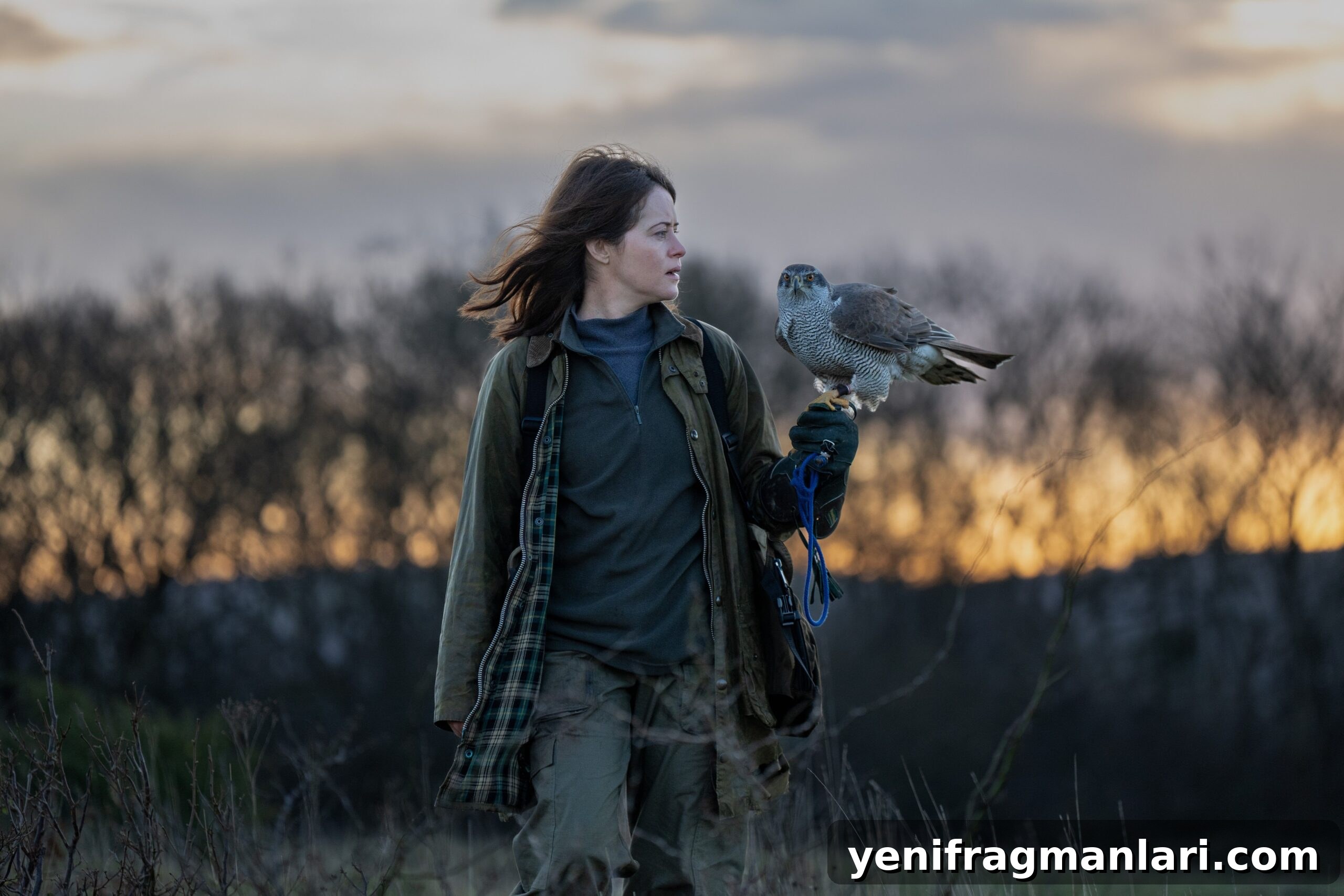
Writer Emma Donoghue on Her Latest Film, H is for Hawk: “Film is Always a True Collaboration”
My first encounter with Emma Donoghue’s screenwriting came in a very public place — I watched Room in the middle seat of a plane and found myself unexpectedly moved to tears. That early reaction has stayed with me, so speaking with Donoghue about her latest adaptation of Helen Macdonald’s memoir H is for Hawk felt like a meaningful full-circle moment.
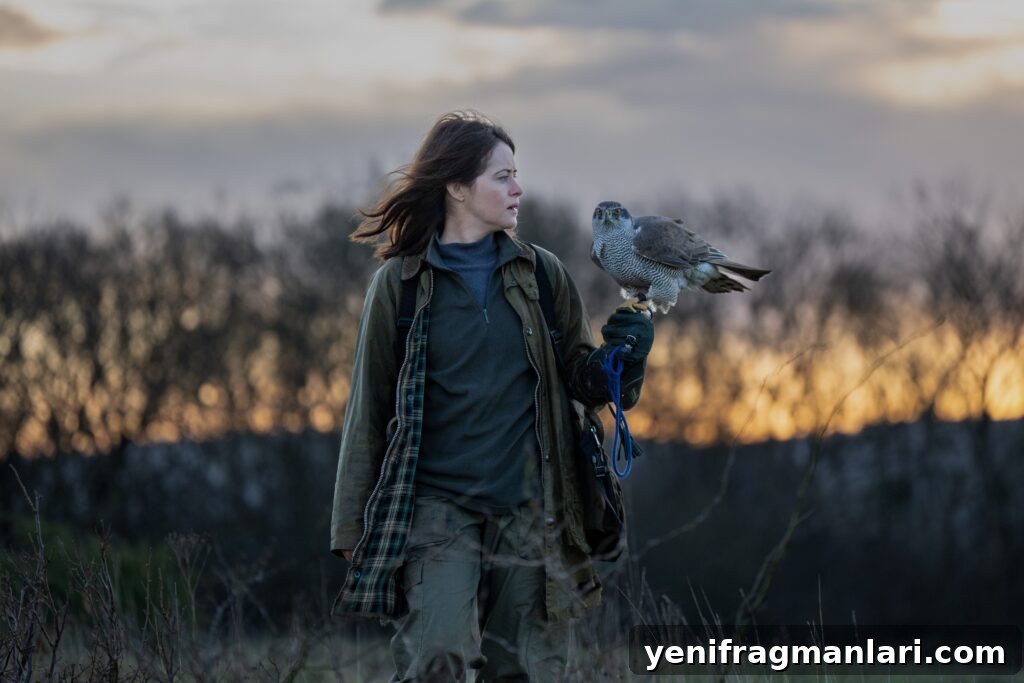
H is for Hawk follows Helen, played by Claire Foy, after the sudden death of her father, portrayed by Brendan Gleeson. Helen clings to memories of birdwatching and their shared love of the natural world, and she turns to the ancient practice of falconry. Training a wild goshawk named Mabel becomes both a practical and emotional undertaking: as Helen teaches the bird to hunt and fly, she is slowly forced to confront long-avoided feelings and the ways she has neglected her own life. What begins as an act of endurance becomes an intimate story of resilience and slow rebuilding.
My thanks to Route 504 PR for arranging this conversation.
H is for Hawk hits theatres on January 23, 2026.
(The following interview has been edited for length and clarity.)
Emma Donoghue’s relationship with the memoir H is for Hawk
How did you approach adapting a memoir that blends so many genres — nature writing, personal grief, and literary reflection?
Emma Donoghue: I was approached about the project a decade ago, and I read Helen’s book in an airport. It felt immediately daunting: the memoir resists a single category and has many fans who love it for different reasons. The personal story felt like the clearest entry point for film, but I also wanted to find ways to convey the book’s wider reflections on nature and culture within the narrative.
I looked for opportunities to translate the essayistic parts into cinematic moments. For instance, Helen in the book makes an astute point: although falconry is often pictured as a traditional English pastime, many of the birds used are not native — in a way they are “immigrants.” That idea felt both political and surprising. I worked a couple of lines into the script where a character voices a nostalgic view of “Merry Old England” and Helen quietly dismantles it. It’s satisfying when an idea from the text can be slipped into dialogue naturally.
The memoir is very interior, rooted in Helen’s inner life. How did you externalize that on screen without relying on long voiceover?
Emma Donoghue: The hawk provided the dramatic engine. The relationship between a handler and a raptor is intense and unpredictable — it reads like a parenting story. That gave the film structure: training sequences, setbacks, breakthroughs. Instead of compressing the process into an instructional montage, we treated it as an evolving, sometimes fraught bond. The hawk’s presence makes it easier to bring the audience close to Helen’s interior life through concrete, visual moments.
Collaboration with director Philippa Lowthorpe
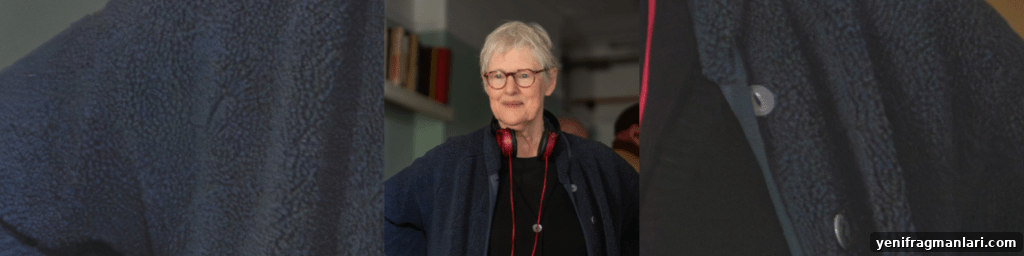
You co-wrote the screenplay with director Philippa Lowthorpe. How did that partnership shape the adaptation?
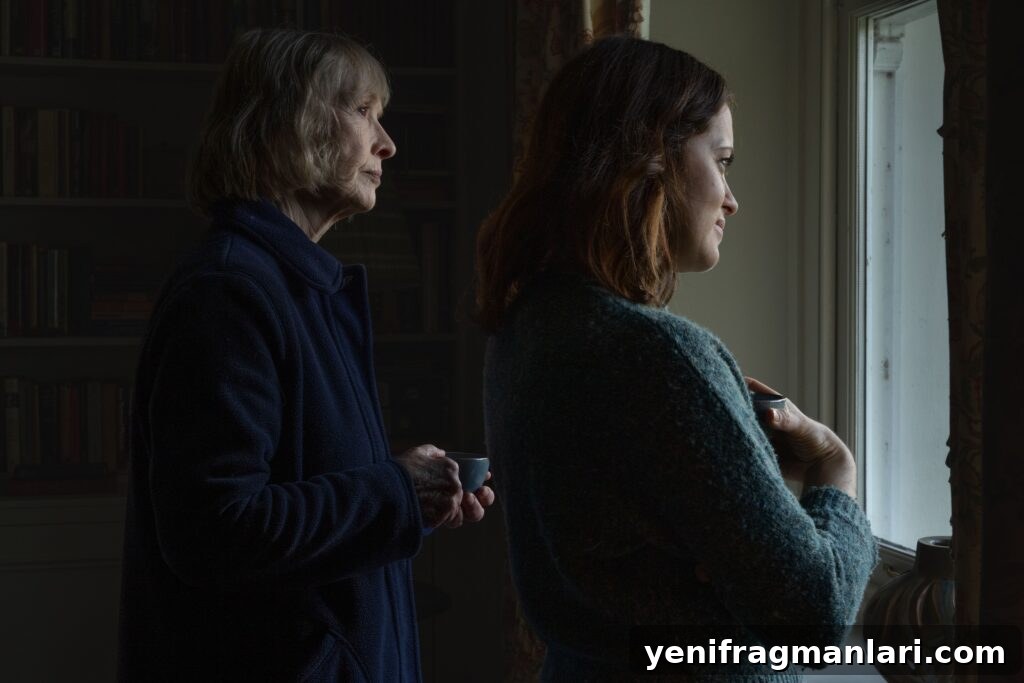
Emma Donoghue: Philippa was wonderful to work with — she spent time on location and dug into the characters with me. One of the key things she did was expand the presence of Alisdair, Helen’s father. To convey the sense of loss Helen experiences, it was important that the father feel vivid and beloved on screen, not just an offstage absence. Casting Brendan Gleeson helped make that grief feel immediate and genuine. Philippa’s sensibility brought warmth and clarity to scenes that could otherwise have been merely expository.
Working with real hawks must have affected the writing and the shoot. How did you balance script control with the unpredictability of live animals?
Emma Donoghue: We accepted early on that the hawks would dictate a lot of what we could achieve on any given day. You can’t choreograph a hawk to land on a specific branch or take a precise bite on cue. Instead we created conditions where the hawks would naturally do the behaviors we needed: flying, diving, feeding, perching on a handler’s glove. We used several birds and let their instincts guide the action. That meant the script had to be flexible and the actors had to be ready to respond in the moment.
Claire Foy trained intensively and did much of the hawking for real. That commitment shows up on screen — she got scratched and clawed during the process, but she embraced those risks because she wanted the performance to feel lived-in and authentic.
Portraying grief and the performances of Claire Foy and Brendan Gleeson
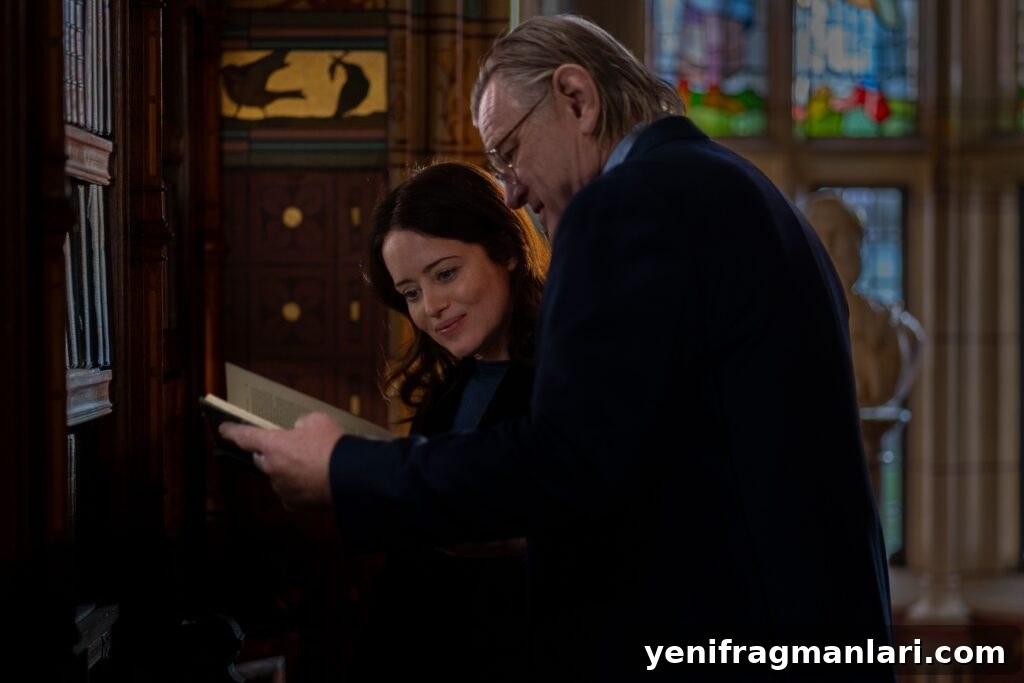
Many cinematic depictions of grief tip either toward melodrama or comforting sentimentality. How did this film avoid those traps?
Emma Donoghue: The hawk itself resists sentimentality. It’s not a cuddly animal that seeks human approval, and that keeps the emotion in the story from becoming saccharine. I wanted grief to feel messy and unpredictable — to have moments where training the hawk is exhilarating and other moments where Helen seems to be losing her grip. The film aims to capture those contradictory impulses. The hawk is neither a pure symbol of death nor a simple stand-in for Helen’s father; it embodies both risk and vitality.
Having actors of Claire Foy and Brendan Gleeson’s caliber also made it possible to trust silence or small gestures where words might have been expected. When you have that level of performer, the screenplay can be a framework rather than a script of fixed lines. Often the best moments were collaborative — things that emerged instinctively during rehearsals or on set.
Film is always a collaboration, Donoghue says — weather changes, animals do what they will, and on any given day unplanned details can become the most powerful moments. That openness is part of the medium’s strength.
On specific lines and a new musical project
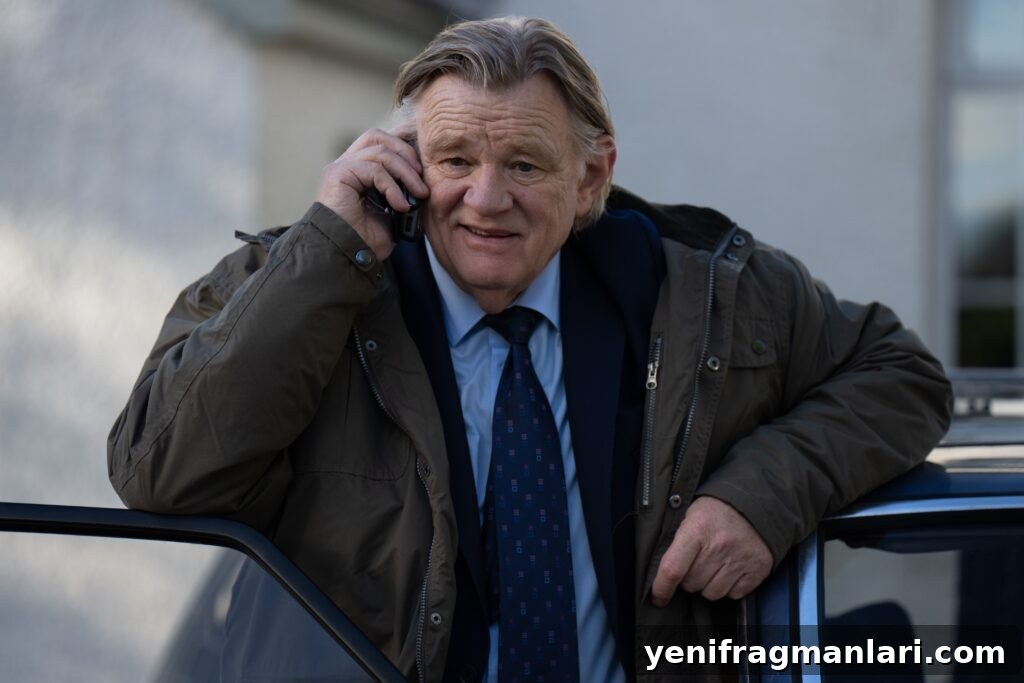
There are moments of sharp, dry humor threaded through the film — for example, Helen’s wry response during a Beck Depression Inventory at a doctor’s visit: “It could just be that these are rational responses to the reality of my life.” That kind of intellectual distance, still present even in suffering, is very much in Helen Macdonald’s voice and survives in the screenplay.
Emma Donoghue: I love Helen’s brainy, slightly observational bent. She can stand outside her own pain and analyze it, which yields moments of dark humor. Another line that works well on film points out the awkwardness of her bond: she remarks on being involved with “a technically non-affectionate animal.” That honesty keeps the tone grounded.
Donoghue also mentioned her most recent venture: writing her first musical, The Wind Coming Over the Sea, commissioned by the Blyth Festival. It tells a true story about Northern Irish immigrants who arrived in Canada during the famine. The piece has already had a strong reception and will receive another production this year in Nova Scotia.
Emma Donoghue: Music travels with people; it’s a portable culture. Using songs to tell an immigration story felt like the right artistic choice. Songs can carry memory, heartbreak, and hope in a way that prose sometimes cannot.