
At the Edge of the Volcano: Pete Ohs, Jeremy O. Harris, and Will Madden on Erupcja and Charli xcx
Back at the Table of Bubbles
This is the second consecutive year I’ve met with Pete Ohs at the South by Southwest Film & TV Festival to discuss his new work. It is also the second year I’ve had the pleasure of speaking with Jeremy O. Harris, who was a central creative force—and performer—on Pete’s previous film. Last year’s conversation shifted quickly from a standard interview into a discussion about process: Pete’s method of collaboration, what he calls the “table of bubbles,” and a style of filmmaking that thrives when no single person tries to carry everything alone.
This year, at SXSW, I met with Pete, Jeremy, and Will Madden, who stars in Erupcja and has been a recurring collaborator of Pete’s. Pete’s mother, Lynda, joined us as well, which made the meeting even warmer. There’s something moving about seeing the generation before an artist nearby when the talk turns to trust, craft, and the people who make creation feel possible.
The conversation with Pete, Jeremy, and Will flowed naturally. Jeremy is loud, sharp, and unfiltered in a thrilling way. Pete speaks more quietly, with a clear comfort in describing uncertainty. Will brings calm curiosity and a grounded presence that mirrors his screen work.
On the surface, the obvious talking point is Charli xcx. Her presence in the film and her skyrocketing cultural profile make that understandable. But an equally interesting question is why an artist like Charli would be drawn to a low-budget, independent project. The answer brings us straight back to the table of bubbles: a creative method built around people, place, timing, and a readiness to move when everything aligns.
What is Erupcja About?
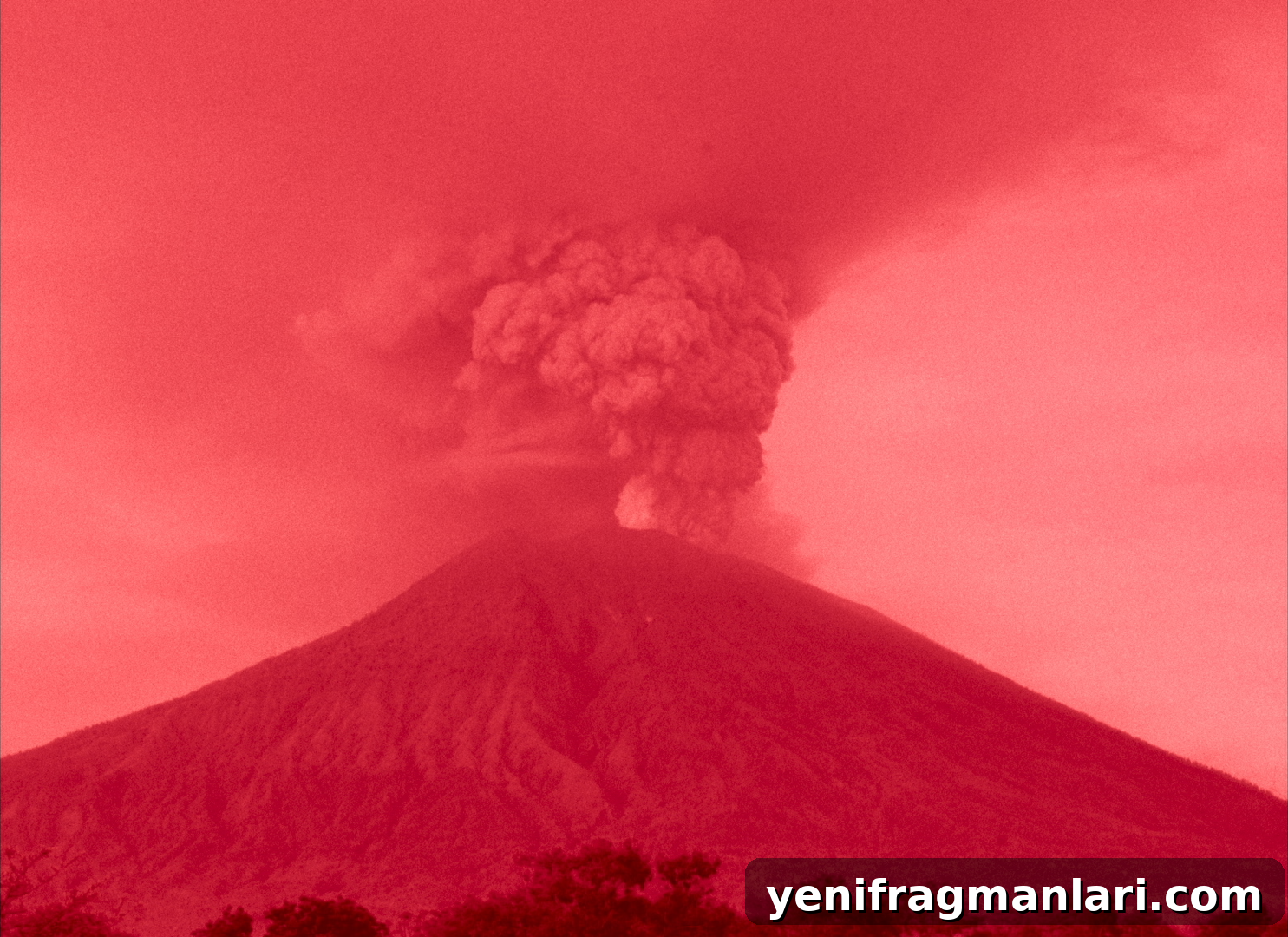
Erupcja means “eruption” in Polish, a concise title that fits the film on several levels. Yes, volcanoes are literal motifs in the story, but the eruption also works as an emotional, relational, creative, and existential metaphor.
Set in Poland, the film follows Nel (played by Lena Góra) whose entanglement with Bethany (played by Charli xcx) becomes the unstable centre of the story. Their relationship resists a simple romantic label. Rather than a neat arc about temptation or infidelity, the film treats Bethany as a mirror or portal that allows Nel to confront a version of herself she had set aside. Bethany’s life, by contrast, seems to be moving toward something more conventional and steady.
That steadiness is embodied by Rob, Will Madden’s character. Rob isn’t an antagonist; he is steady, reliable, and a sensible choice for Bethany. But Erupcja shows how even a clearly good option can fail to quench the longing for risk and intensity.
The volcano image is apt: majestic and seductive from a distance, but destructive and dangerous up close. The film isn’t driven by a conventional plot machine that forces confrontation at every turn. Instead, like much of Pete’s work, it focuses on people living through real moments in slightly heightened ways—examining the meanings we assign to coincidence, the instability we invite into our lives, and the risk of mistaking eruption for destiny.
Charli xcx and the Origins of Erupcja
How did Charli xcx join the film? Pete’s account sounds almost like the film itself: “magical, mysterious, coincidental.” In Pete’s telling, he was at a Lower East Side bar late at night when Charli walked in. Jeremy introduced them, explained Pete’s collaborative process, and after Pete described how he works, Charli said she wanted to try it. Three months later, they were shooting in Poland.
That anecdote feels like a throwback to a time when creative collaborations could start with a chance conversation. The timing mattered: this was the period just before a major cultural surge around Charli, which made her availability narrow. Pete sensed that narrow window—the precise one week when she could say yes—and the project moved fast as a result.
For Charli, Pete’s approach likely had appeal because it doesn’t hinge on waiting for ideal industrial conditions. His films form from a constellation of people, place, and momentum rather than lengthy advance planning. In that sense, Erupcja captured Charli at a distinct moment—an intense, transitional pocket of time before everything shifted outward.
More than a Coincidence
Coincidence is central to both the film’s theme and its making. The story explores how people impose meaning on chance encounters, natural events, and strange alignments. Jeremy pointed out that the film’s obsession with coincidence was mirrored by a string of real-life coincidences during its creation: a conversation about being delayed by a volcanic eruption in Iceland, the meeting with Charli in the same neighborhood, and other small incidents that kept pointing to the same motif.
These accumulations of small events are woven into the film’s DNA. Pete admits he recognizes the narrowness of the window when these choices are made—how quickly circumstances can change. Instead of overstating the cosmic significance of such moments, the film examines our very human impulse to find meaning in them. We may be grasping at something unreasonable, but that grasping is part of what makes us human.
Let This Be the Inspiration
Place has always been central to Pete’s work—his films often grow out of the locations that host them, not merely use those settings as backdrops. Poland became more than a backdrop for Erupcja. Pete first encountered the country through a film festival and by 2024 he was living there. His attitude—“Let this be the inspiration”—reflects a filmmaking philosophy that begins with where and who you are, then asks what story those elements want to tell.
That constellation approach—Piecing together actors, collaborators, and place—creates films that feel assembled by relationships and circumstances rather than by a rigid master plan. Erupcja takes a globally recognizable pop star and places her in a small, intimate creative ecosystem, deliberately allowing the world to intrude on the film. Rather than secluding Charli to control every detail, the film moves into streets, clubs, and open spaces, letting unpredictability shape the work.
Art, Collaboration, and the Orbit of Pete Ohs
Pete’s films attract recurring collaborators. Names like Charli xcx, Jeremy O. Harris, and Will Madden feel like part of a creative orbit. Will’s connection to Pete began through his brother’s filmmaking and grew deeper during pandemic-era collaborations and shared edits. Jeremy first met Pete through mutual friends and discovered a creative rapport that felt like a “brain meld.”
What draws people to Pete is not a promise of comfort but an invitation to participate. That ethos aligns with the so-called American Broke Wave, a DIY, collaborative approach to filmmaking that values shared creative ownership and making work with the people at hand rather than waiting for industrial permission. These films are varied, but they are unified by a belief that art is made with others, in motion, and often under imperfect conditions.
The Creation of Erupcja and Building on the Table of Bubbles
Will described Pete’s process plainly: conversations that start as hangouts and small germinal ideas—“I got another idea”—which then percolate and gather people, places, and collaborators until the project coalesces. He likens it to a fetus growing appendages: a date to shoot appears, roles are assigned, and the idea slowly becomes half an outline and then a living set of scenes.
This is the table of bubbles in practice: not chaos for its own sake, but a flexible structure that leaves room for discovery. That method can be liberating and frightening for actors who are used to fully formed scripts. Without a complete text, Will looks for a specific character anchor—tone, rhythm, an emotional mantra he can inhabit. For Rob, that anchor was steadiness: “Rob is steady.” When the narrative is built in real time, acting becomes about being present, breathing, listening, and responding.
Charli xcx, a Brat Summer, and Taking to the Street
Filming publicly with Charli during a period of intense cultural attention changed the way the production could be controlled—and opened creative possibilities. Jeremy pointed out that Pete had previously removed many chaotic variables from his shoots, but this film leaned into the chaos: “Let’s just be in the world.” The public energy around Charli pushed the production outdoors and expanded Pete’s visual curiosity.
Though recognition followed Charli into Warsaw—her song playing everywhere and fans quickly identifying her whereabouts—Polish audiences largely respected the filmmaking process, waiting until scenes were complete before approaching. Charli handled fan interactions professionally, and the public presence became an asset rather than a hindrance, adding texture and pressure that the film absorbed.
Steady Rob
Will’s Rob functions as the film’s quiet counterpoint: reliable, calm, and understated. Without a full script, Will found his anchor in a simple note—Rob is steady. When scenes are devised close to shooting, acting becomes an exercise in presence: breathing, listening, and responding in the moment. Will’s performance allows the audience to feel the stakes: what’s lost if Bethany chooses the eruption over the steady life Rob offers.
Main Character Energy
Jeremy raised a thematic hinge of the film: the impulse to reclaim “main character” status. In your thirties, people often reassess whether they want to remain the central figure in their lives or build a shared life that becomes the story’s focus. Erupcja explores that tension—Nel’s movement toward shared life and Bethany’s pull toward freedom and unpredictability—revealing how partners negotiate their competing visions of what life should be.
What’s the Joke?
One line that stuck with me from Jeremy’s character is: “What’s the joke? Volcanoes kill people.” It’s blunt and punctures the romance of the metaphor, reminding us that eruptions are not just spectacle—they cause harm. Pete described how that line emerged collaboratively minutes before shooting, a vivid example of his real-time writing method where actors are asked, “What do you say to that?” and a simple, precise response becomes the line that ends up in the film.
The exchange highlights the film’s moral core: our hunger for meaning can lead us toward choices that hurt those closest to us. The need to feel singular—through art, romance, or chaos—can come at a cost.
Scripting in Real Time
Pete confirmed that much of the writing happens in the Notes app: each scene is a note shared with the group text, live-updated and editable by collaborators. Jeremy joked about the team’s love of Apple and collaborative notes, but the detail underscores how immediate and practical the collaboration is. It isn’t lofty theory; it’s a working method where lines, structure, and adjustments are made minutes or hours before a take.
The Perfect Ending
Near the end of our talk we discussed the Lord Byron poem “Darkness,” which surfaces in the film. Like many elements of the project, the poem arrived through coincidence: Charli sent Pete an image of the poem early on, it went into the back pocket of ideas, and then returned at precisely the right moment. On the last day with Charli, Pete suggested that her character recite the poem. She memorized it in the space of a couple hours and performed it on set, a choice that added a lyrical weight to the scene.
Another small synchronicity followed: the partial poem they used led to a discovery that the next lines referenced a volcano—a thematic echo that felt almost destined. Will recited a key line from memory for us: “Happy were those who dwelt within the eye / Of the volcanoes.” That moment underscored the film’s thematic unity—the way coincidence, memory, and art intersect.
Charli’s starpower may draw attention to the film, but Erupcja ultimately reveals a deeper story: a filmmaker whose collaborative, place-based method invites risk and possibility rather than guaranteed safety. Pete recently shared raw clips and materials from the film, encouraging others to make edits and explore the work further—an invitation that extends the table of bubbles into a community practice.
For creators, that approach is energizing. It suggests you don’t have to wait for perfect conditions to make art. Gather people, take a chance, and refine ideas in the Notes app as you go.
Erupcja is now playing in select theatres.