

To the Bone (2017) — Review
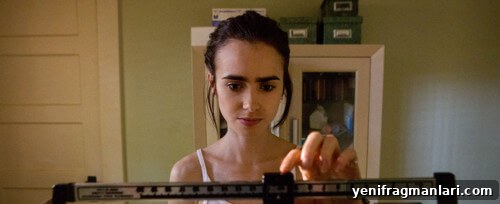
To the Bone (2017)
Director: Marti Noxon
Starring: Lily Collins, Keanu Reeves, Carrie Preston, Lili Taylor
Plot: Ellen is a rebellious 20-year-old struggling with anorexia who has spent much of her teenage years moving through one recovery program after another, only to emerge lighter each time. Desperate for a solution, her strained family agrees to send her to a residential treatment home for young adults led by an unconventional doctor. Confronted by unfamiliar rules and relationships, Ellen must face her illness and begin the difficult work of self-acceptance.
Following Netflix’s earlier foray into difficult mental health topics with the television series 13 Reasons Why, the streaming service returned to the subject in feature form with To the Bone. The film approaches eating disorders with a frankness that can be unsettling but also necessary, reflecting both the intimate nature of the illness and the personal experience that informed the project. Writer-director Marti Noxon and lead actress Lily Collins have both spoken openly about their connections to similar struggles, and that authenticity shows in the film’s tone and performances.
The movie handles several heavy themes—eating disorders foremost among them, but also grief, miscarriage, and suicide—with a measured sensitivity. It neither sensationalizes nor sanitizes these topics; instead, it aims to portray them with respect and emotional truth. At times the material is raw and uncomfortable, and that discomfort is often the point: the film invites viewers to reckon with the realities of illness rather than look away.
One of the film’s most effective choices is its restrained use of music. Rather than leaning on a sweeping or pop-driven soundtrack to cue the audience’s emotions, the score is sparse, which lends the film an unvarnished, immediate quality. Moments of joy, pain, or tension unfold without musical interference, allowing the actors’ performances and the script’s quieter details to carry the emotional weight. This restraint helps the movie avoid feeling like a conventional teen drama and keeps the focus on character and interior struggle.
Lily Collins gives a committed lead performance as Ellen, capturing both the brittle defenses and the vulnerable interior that accompany long-term eating disorders. Keanu Reeves, as the unconventional doctor, offers a grounded and subtle presence that serves as a counterpoint to Ellen’s volatility. The supporting cast, including Carrie Preston and Lili Taylor, contributes to a textured ensemble that feels lived-in and real.
The film does occasionally flirt with familiar tropes—the defiant young woman who sees herself as “not like other girls,” for example—but these moments do not derail its larger purpose. Ellen’s attitude and aesthetic choices might fit certain archetypes, yet the narrative consistently returns to the complexities beneath the surface, probing how family dynamics, identity, and self-worth intersect with illness.
To the Bone succeeds most when it opens space for conversation. There are very few mainstream films that tackle eating disorders with this level of honesty, and even when the movie missteps or feels uneven, its willingness to bring the subject into the light is valuable. By presenting characters who are flawed, hurting, and sometimes difficult to sympathize with, the film encourages viewers to confront uncomfortable truths about recovery and the social stigma that too often surrounds mental health.
Overall, To the Bone is a moving, sometimes painful portrait of a young woman’s struggle for control and acceptance. It may not provide neat answers or a tidy recovery arc, but its compassion, rawness, and thoughtful handling of sensitive issues make it a notable contribution to on-screen conversations about mental illness. If the film helps even a few viewers feel less alone or more willing to talk about these topics, it will have achieved an important purpose.
Score: 15/24
Recommended: More movie reviews are available in our reviews section for readers interested in thoughtful takes on contemporary cinema.