
RoboCop Returns: Neill Blomkamp to Direct MGM Sequel
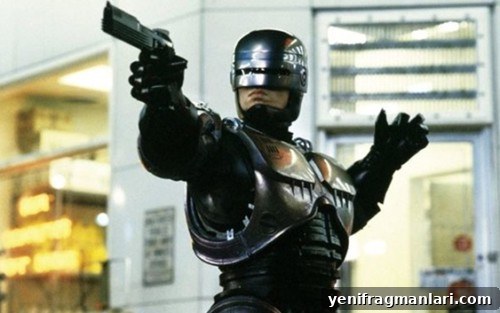
RoboCop, the armored cyborg lawman from dystopian Detroit, is set to return to the big screen in a new sequel from MGM titled RoboCop Returns. The project reunites the franchise with a prominent director and promises a fresh take that separates itself from the 2014 reboot while remaining tied to the spirit of the original 1987 film.
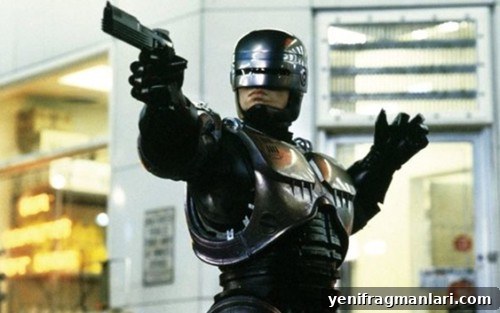
RoboCop (1987)
Neill Blomkamp, the South African filmmaker known for high-concept science fiction, has been announced as the director. Blomkamp rose to prominence with his acclaimed debut District 9 in 2009 and later directed Elysium (2013) and Chappie (2015). His style typically blends social commentary with imaginative, grounded worldbuilding—qualities that many fans hope will refresh the RoboCop franchise while honoring the original film’s tone.
According to studio reports, RoboCop Returns will have minimal connection to the 2014 remake and instead looks to align more closely with the legacy of the original RoboCop universe created in 1987. The original screenplay for the first RoboCop film was written by Michael Miner and Ed Neumeier and directed by Paul Verhoeven; Miner and Neumeier are attached to the new project as executive producer and producer, respectively. How the new sequel will fit into the continuity that includes RoboCop 2 (1990) and RoboCop 3 (1993) remains unclear at this stage.
Screenplay work on RoboCop Returns is underway, with Justin Rhodes handling rewrites. Rhodes has been linked to other high-profile franchise projects, and his involvement suggests the studio is aiming for a screenplay that balances fan expectations with fresh narrative direction. While concrete plot details and casting choices have not yet been revealed, the presence of original creators in production roles and a director known for thoughtful sci-fi signals a deliberate approach rather than a simple reboot.
For fans of the franchise, the announcement raises a series of questions about tone, continuity, and the role of RoboCop as a cultural figure. The original 1987 film mixed satirical commentary about corporate power and media influence with intense action and a distinct visual style. Later sequels shifted in tone and execution, and the 2014 remake took a different approach that divided longtime followers. With RoboCop Returns, expectations currently lean toward a film that acknowledges those roots while updating themes for contemporary audiences.
From an industry perspective, MGM’s move to revive RoboCop with an auteur-driven director indicates confidence in the property’s durability. The studio appears focused on delivering a commercially viable yet artistically engaging sequel, leveraging the franchise’s recognizability along with a creative team capable of exploring deeper thematic material. Whether the film will attempt to directly continue the narrative from the original trilogy or establish a new branching timeline has not been confirmed.
As development progresses, key elements to watch include casting for the lead role, the screenplay’s approach to corporate and technological themes, and the production’s visual design—areas where Blomkamp’s previous work suggests he will have a strong creative influence. The continued involvement of Miner and Neumeier also offers a link to the franchise’s origins, which may reassure fans eager for a respectful continuation of the RoboCop legacy.
In the coming months, additional updates are likely to surface regarding script revisions, production scheduling, and casting choices. Until then, RoboCop Returns stands as a promising entry that seeks to balance reverence for the original 1987 classic with a contemporary director’s vision for what a modern RoboCop story can be.