
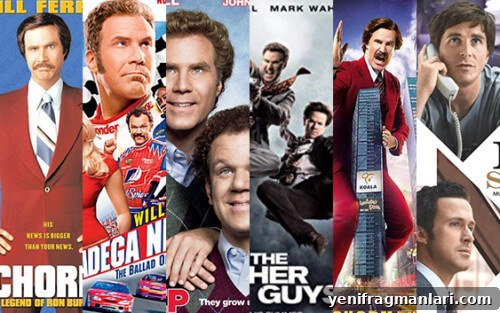
Adam McKay spent many years as an underestimated figure in Hollywood. His mid-budget comedies consistently performed well at the box office, yet media attention often focused on the stars — notably Will Ferrell and John C. Reilly — rather than the director behind the camera. Critics have long treated mainstream comedy with a certain bias, and that tendency obscured McKay’s contributions for a time. Everything changed with The Big Short, which brought McKay into the spotlight and earned him an Academy Award for Adapted Screenplay and a directing nomination. That bold transition from broad comedy to politically charged satire and drama reshaped his career. With a high-profile Dick Cheney–focused film released in December 2018 starring Christian Bale, Amy Adams and Steve Carell, it’s a good moment to reassess McKay’s work behind the lens.
Below are the six feature films directed by Adam McKay, ranked and discussed with an eye toward the director’s evolution and signature style.
Have an opinion? Leave a comment!
6. Anchorman 2: The Legend Continues (2013)
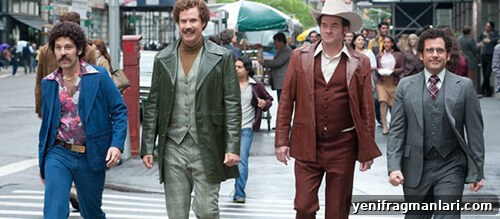
When a sequel takes nearly a decade to reach screens, expectations are naturally high — and difficult to meet. Anchorman 2 follows the manic energy of the original but feels looser and less focused. The film gives its ensemble a great deal of improvisational space, which produces many laugh-out-loud moments but also weakens narrative momentum. Will Ferrell’s performance sometimes reads like a compilation of familiar bits from his earlier work, and the expanded supporting cast, including Steve Carell and Paul Rudd, occasionally overwhelms the film’s pacing.
Still, the centerpiece news anchor showdown remains one of McKay’s most audacious and funniest set pieces, a sequence that has earned a place among the most memorable comic battles in recent film. Anchorman 2 delivers strong moments, even if it never quite matches the tightness and cultural punch of the original.
5. The Other Guys (2010)
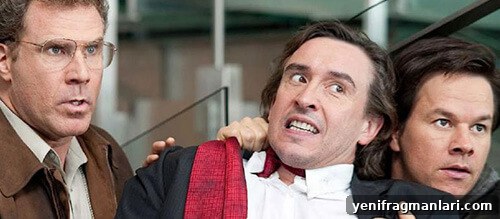
The Other Guys is a smart, absurdist take on the buddy-cop genre. While not the most celebrated title in McKay’s filmography, it nails a confident blend of parody and mainstream comedy. Will Ferrell and Mark Wahlberg form a ludicrous but effective central pairing, and the movie lands plenty of clever gags and memorable lines.
One of the film’s standout successes is a compact and satisfying subplot featuring Dwayne Johnson and Samuel L. Jackson, which provides a hilarious counterpoint to the main duo’s misadventures. The Other Guys never pretends to be more than a broad, enjoyable comedy, but it does what it sets out to do: entertain while satirizing a familiar Hollywood formula.
4. Talladega Nights: The Ballad of Ricky Bobby (2006)
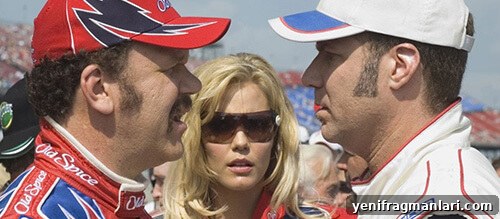
Talladega Nights brought together Will Ferrell and John C. Reilly in the first of several collaborations that would define the era. The film skewers sports-movie conventions through the eyes of a NASCAR driver (Ferrell) and his loyal friend (Reilly). It’s packed with quotable one-liners and imaginative comic set pieces.
McKay’s experience from Anchorman is evident in how he assembles an expansive supporting cast to amplify the comedy: Amy Adams, Gary Cole, Leslie Bibb and others add texture and boost the central performances. Sacha Baron Cohen stands out as the flamboyant rival Jean Girard, creating memorable confrontations with Ferrell and Reilly. Talladega Nights is rowdy, inventive and emblematic of McKay’s comedic strengths in the 2000s.
3. Step Brothers (2008)
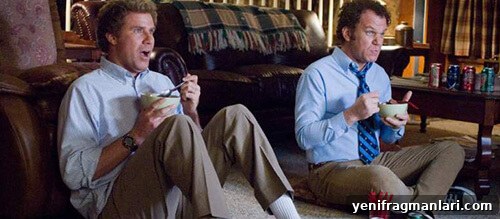
Step Brothers remains one of the most quoted and culturally persistent comedies of the 2000s. The film tightens McKay’s collaboration with Will Ferrell and John C. Reilly into a focused, absurd premise: two middle-aged men forced to grow up together as step siblings. Unlike some of McKay’s looser ensemble pieces, Step Brothers keeps the supporting characters purposeful and connected to the central relationship, so every turn feels earned.
The movie captures a specific comic era alongside contemporaries from the Seth Rogen/Judd Apatow circle, but Step Brothers stands apart for its relentless commitment to a single outrageous concept executed with precision. Its influence on comedy and its longevity in pop culture are undeniable.
2. Anchorman: The Legend of Ron Burgundy (2004)
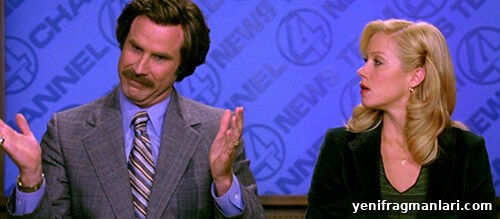
Anchorman is arguably Will Ferrell’s defining film and a landmark in modern American comedy. Adam McKay and his cast created a comic universe that resonated widely, producing endless quotable lines, memes and cultural references. The film’s absurd premise and confident delivery helped shift the tone of comedy for a generation.
Anchorman’s influence is visible across subsequent comedies: it showed how kinetic improvisation, bold character work and a distinctive comedic voice could produce mainstream hits with lasting appeal. Whether you view its legacy as wholly positive or mixed, its impact on the industry is indisputable.
1. The Big Short (2015)
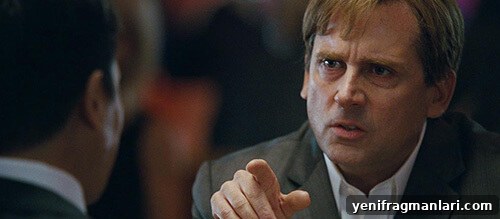
The Big Short marks a turning point in Adam McKay’s career. Moving away from broad comedy, he embraced a sharp, politically engaged approach that earned the film five Academy Award nominations and one win for Adapted Screenplay. The film brought the complexity and moral urgency of the 2008 financial crisis to mainstream audiences with creativity, humor and emotional weight.
McKay blends narrative drama with breaking-the-fourth-wall techniques and playful explanatory sequences — famously including celebrity cameos that clarify complex financial instruments — to make difficult subject matter accessible without diminishing its seriousness. The Big Short stands as the clearest synthesis of McKay’s satirical instincts and his ability to craft persuasive, issue-driven cinema. It remains the most consequential film in his directing career to date.
What do you think of this ranking? Would you place Anchorman or Step Brothers higher, or is The Big Short the most defining work in Adam McKay’s filmography? Share your list and thoughts in the comments below.