
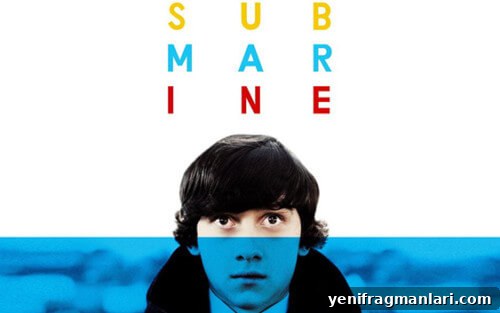

Submarine (2010)
Director: Richard Ayoade
Screenwriter: Richard Ayoade
Starring: Craig Roberts, Yasmin Paige, Sally Hawkins, Noah Taylor, Paddy Considine
Richard Ayoade’s Submarine is a sharply observed coming-of-age film that blends deadpan humor with poignant, often bittersweet insight. Based on Joe Dunthorne’s novel, the movie captures the awkward, self-important intensity of adolescence with a distinctive visual and narrative voice. It’s a film that feels both intimate and stylized — the kind of small-scale British picture that lingers because of its honesty, tonal bravery, and memorable performances.
At the center of the film is Craig Roberts as Oliver Tate, a fifteen-year-old who narrates his life with a mix of hyperbole, self-awareness, and adolescent melodrama. Roberts gives Oliver a nervous intelligence: he’s precocious, prone to grand plans, and transparently selfish, yet his vulnerability undercuts any easy dislike. Oliver’s attempts to manage his parents’ faltering marriage and his own romantic ambitions drive the story, and the film makes those struggles feel specific without ever losing universality.
Yasmin Paige plays Jordana, Oliver’s enigmatic love interest — an alternative, Doc Martens-wearing teenager who meets affection with sarcasm. Paige’s performance balances prickliness and warmth, giving the relationship a quirky authenticity that avoids standard romantic clichés. Sally Hawkins and Noah Taylor, as Oliver’s mother Jill and father Lloyd, bring subtle complexity to the parental roles: they are both figures to be judged and human beings with quiet contradictions. Paddy Considine appears in a supporting part that helps ground Oliver’s world beyond his internal monologue.
Visually, Submarine is deliberate and stylized. Ayoade often calls to mind the French New Wave in his use of composition, editing rhythms, and playful camera work, but the film also feels thoroughly British in its locations and tone. The setting — Swansea in the 1980s — provides a moody backdrop of coastal walks, docks, and windswept beaches. These images frame Oliver’s interior life, sometimes underscoring his melancholy and other times highlighting the small consolations he finds in solitude and reflection. Interior spaces, from Oliver’s poster-filled bedroom to the clean, staged environments that suggest adult order, reinforce the film’s themes of identity and performance.
Submarine’s screenplay mixes dry wit with sincere observation. Oliver’s narration is a vehicle for both humor and regret: he is self-aware enough to parody his pretensions while also revealing how painfully earnest teenage convictions can be. The film doesn’t idealize youth; instead, it explores how self-centered and myopic we can all be in our teens, while still allowing moments of genuine tenderness and growth.
The soundtrack by Alex Turner complements Ayoade’s vision with understated, melodic songs that accentuate the film’s mood without overpowering it. Turner’s music reinforces the film’s mix of nostalgia and irony, offering a contemporary sound that sits comfortably alongside the retro props and Morrissey-tinged aesthetics attributed to Oliver’s character. The result is an audio-visual harmony that helps Submarine feel fresh even as it nods to past influences.
Where many coming-of-age films fall into cliché, Submarine finds originality through voice and detail. The camera choices, the deadpan humor, and the strong ensemble performances allow the film to transcend mere pastiche. It’s a thoughtful, frequently funny portrait of adolescence that rewards repeat viewings, in part because so much of its appeal comes from small, carefully observed moments rather than broad dramatic gestures.
Whether you relate to Oliver’s self-importance, admire his resilience, or simply appreciate a well-crafted indie film, Submarine is a memorable example of how to portray the awkwardness of growing up with style and compassion. It’s a film that invites you to revisit your own teenage contradictions while enjoying a sharp script, assured direction, and a soundtrack that lingers.
17/24