
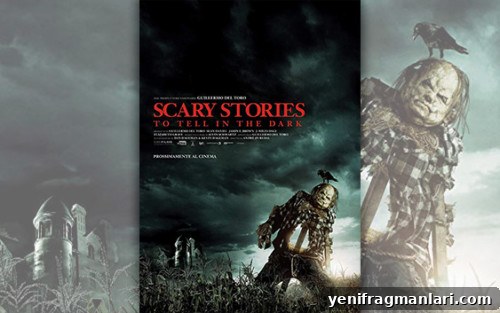
Scary Stories to Tell in the Dark (2019)
Director: Andre Øvredal
Screenwriters: Dan Hageman, Kevin Hageman, Guillermo del Toro
Starring: Zoe Margaret Colletti, Michael Garza, Gabriel Rush, Dean Norris
Scary Stories to Tell in the Dark occupies an unusual place in the modern horror landscape. It sits between the prestige, auteur-driven horror of filmmakers like Ari Aster or Jordan Peele and the franchise-oriented, studio-produced pulp that often dominates wider audiences. Backed by Guillermo del Toro as a writer-producer and directed by Andre Øvredal of The Autopsy of Jane Doe fame, the film mixes high-concept creature design with a more conventional teen-oriented narrative. Lionsgate distributed the film and it features a Lana Del Rey cover of “Season of the Witch,” elements likely to draw both horror aficionados and mainstream viewers.
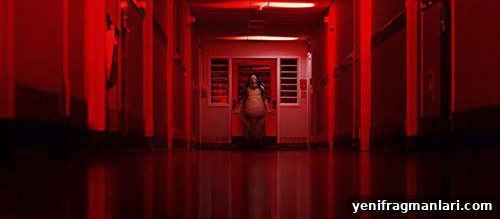
On the visual and design front, Scary Stories is outstanding. The production and creature teams — including art direction, makeup, and special effects — deliver some genuinely unsettling designs. Many scenes showcase surreal, imaginative monsters that feel like natural extensions of del Toro’s aesthetic: tactile, grotesque, and haunting. Several sequences are expertly composed to build dread, alternating slow-burn tension with well-timed jump scares. For audiences who prioritize atmosphere and practical creature effects, the film delivers plenty of rewarding moments.
However, the film’s writing weakens its overall impact. The dialogue often reads as functional rather than memorable, and character development relies heavily on familiar teen-archetype traits. The main cast performs capably, but the script leaves little space for emotional complexity, making it difficult to invest in the protagonists beyond their plot functions. Plot progression follows predictable grooves after the setup, and some scenes underline information the audience already understands rather than deepening motivation or backstory.
A notable thematic thread in the film is its political subtext, centered on the 1968 U.S. presidential election. This strand is presented through visual cues — campaign posters, a prominent Nixon image — and through depictions of racist, authoritarian characters. At times the political commentary feels blunt, almost tacked on, and can appear detached from the main narrative. The monsters could be read as embodiments of social anxieties about fascism and war-mongering leadership, but the characters rarely explore this symbolism in a way that ties the political elements convincingly to the personal stakes.
Despite a few heavy-handed moments — like foregrounded political imagery or objects introduced only to be used immediately — the film finds its rhythm in how it stages scares and visual surprises. There are sequences that linger with viewers after the credits roll, thanks to bold creature concepts and strong production values. The balance between slow-building dread and jump scares is handled well enough to keep mainstream horror audiences engaged.
Where Scary Stories falters is in narrative cohesion and character depth. Relationships among the main characters, including the hinted-at romance, often feel underdeveloped. Expository dialogue surfaces in clumsy bursts rather than through organic interactions, and a few lines come off as cheesy or redundant. These weaknesses limit the emotional resonance that might have elevated the story beyond a series of effective set pieces.
Still, the film has clear strengths that make it worth watching for fans of creature-driven horror and practical effects. The visual craft is the movie’s most compelling asset, and many sequences demonstrate confident filmmaking. If you value atmospheric design, inventive monsters, and a mix of slow-burn and jump-scare pacing, Scary Stories to Tell in the Dark offers a satisfying experience, even if its writing and thematic integration leave room for improvement.
16/24