
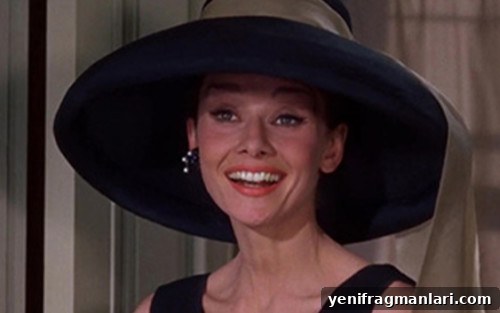
Audrey Hepburn remains one of the most enduring icons of film and fashion. Her elegance, natural grace and memorable screen presence made her a defining figure in mid-20th century cinema. While she starred in many celebrated movies, three performances in particular are widely regarded as career-defining: Roman Holiday (1953), Sabrina (1954) and Breakfast at Tiffany’s (1963). These roles not only showcased Hepburn’s acting range—from vulnerable and youthful to charming and enigmatic—but also established her as a global style influence and cultural touchstone. The paragraphs below explore why these three films came to shape her legacy in acting, fashion and popular culture.
1. Roman Holiday (1953)
Roman Holiday introduced Audrey Hepburn to international audiences as Princess Ann, a sheltered royal who slips away from her rigid duties to spend a day free in Rome. The role revealed Hepburn’s warm vulnerability and effortless charisma: she balanced comedic timing with emotional honesty, creating a character who felt both real and enchanting. Her ability to move between regal costume and casual, modern wardrobe in the film hinted at the fashion sensibility that would define her public image. Roman Holiday earned Hepburn critical acclaim and major awards, including an Academy Award and a BAFTA for Best Actress, and it established her as a leading lady in Hollywood. More than a breakthrough performance, the film positioned Hepburn as a new standard of cinematic elegance and naturalism that resonated with audiences and critics alike.
2. Sabrina (1954)
In Sabrina, Hepburn plays a young woman who transforms herself from a shy chauffeur’s daughter into a worldly and sophisticated figure, intent on capturing the attention of the man she loves. The story contrasts innocence and aspiration with the realities of social class, and Hepburn’s portrayal is both tender and quietly assured. She brings a delicate intelligence to the role, making Sabrina’s evolution believable without losing the character’s core sensitivity. Costume and styling in Sabrina are central to the film’s impact: the elegant wardrobes and refined silhouettes helped define the Hepburn look and influenced fashion trends of the era. The film also deepened Hepburn’s screen identity—her combination of refined beauty, poise and emotional depth—and cemented her appeal across both moviegoers and the fashion-conscious public.
3. Breakfast At Tiffany’s (1963)
Breakfast at Tiffany’s arguably produced the most enduring single image associated with Audrey Hepburn: the slim black dress, elegant updo and understated chic that became synonymous with her name. In the film she plays Holly Golightly, a vivacious and enigmatic socialite whose apparent carefreeness masks a complicated past. Hepburn’s performance blends vulnerability and bravado—Holly is at once elusive, playful and deeply human. The role allowed Hepburn to explore a character who is both glamorous and flawed, and it influenced many of her later parts that mixed lightness with emotional complexity. Fashion aside, Breakfast at Tiffany’s captured the cultural imagination and reinforced Hepburn’s reputation as a style icon whose screen roles consistently shaped contemporary tastes in clothing, hairstyle and elegance.
Together, these three films illustrate why Audrey Hepburn endures as a singular figure in film history. Each role showcased different facets of her talent—from the innocent charm of Roman Holiday to the sophisticated transformation in Sabrina and the beguiling complexity of Breakfast at Tiffany’s—while also contributing to her lasting influence on fashion and popular culture. Decades after their release, these performances continue to define Hepburn’s legacy as an actress whose grace, warmth and timeless style remain influential and admired.