
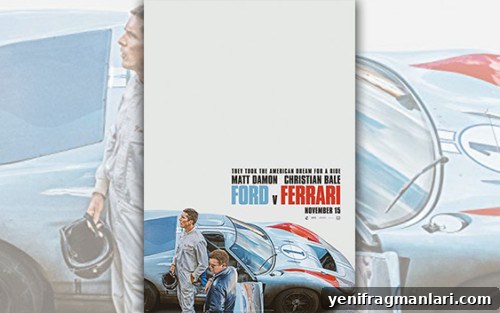
Ford v Ferrari / Le Mans ’66 (2019)
Director: James Mangold
Screenwriters: Jez Butterworth, John-Henry Butterworth, Jason Keller
Starring: Matt Damon, Christian Bale, John Bernthal, Catriona Balfe, Tracy Letts, John Lucas, Noah Jupe, Remo Girone, Ray McKinnon
James Mangold’s Le Mans ’66 (also known as Ford v Ferrari) is a film that balances high-octane racing with intimate human drama. It delivers both the visceral rush of motorsport and the quieter, more painful moments of ambition, ego and loyalty. The movie is structured around the clash between corporate interests and hands-on engineering, and it builds to a climax that is as much emotional as it is technical.
At the center of the story are Carroll Shelby (Matt Damon) and Ken Miles (Christian Bale), two very different men whose complementary skills and personalities drive the film forward. Shelby is a strategist and fixer, a man who navigates boardrooms and egos to get resources and people in place. Miles is a pure racer: precise, stubborn, and obsessed with the mechanics and feel of a car. Mangold lets their relationship unfold naturally, showing how respect and frustration coexist as they push toward a shared, almost obsessive goal—building a car that can take on the best at the Le Mans 24 Hour race.
The film doesn’t shy away from the politics around the team. Ford’s corporate apparatus and marketing priorities are depicted as a real obstacle to Shelby and Miles’ work, creating tension that boosts the stakes beyond mere competition on the track. That tension enhances the narrative: when the filmmakers put the characters into conflict with faceless authority, each victory on the circuit becomes more than a sporting achievement—it becomes vindication for craftsmanship and courage.
Where Le Mans ’66 truly excels is in its racing sequences. Mangold, together with a cinematography and sound team that clearly understand the subject, creates moments of velocity and danger that feel immediate and immersive. POV shots from the driver’s seat, the choreography of close-quarters passing, and the layering of engine noise, tire squeal and compressed space combine to convey speed in a way few films manage. The sound design is particularly effective: engines roar and settle, and the soundtrack supports rather than overwhelms, letting the machines speak for themselves.
Christian Bale gives a committed performance as Ken Miles. He captures the racer’s single-minded intensity and vulnerability, and his portrayal makes the character’s frustrations and triumphs feel earned. Bale’s screen presence anchors many of the film’s most human moments—moments that sit against the backdrop of mechanical excellence and competitive pressure. Matt Damon’s Carroll Shelby offers a contrasting energy: pragmatic, charming, and politically savvy. Damon portrays Shelby as someone who must balance ambition with diplomacy, and he shows how leadership in that world requires both technical respect and a knack for negotiation.
The supporting cast adds texture without competing for attention. Small moments from ensemble players give the film a lived-in quality, reminding the viewer that this story is a team effort on and off the track. The script offers room for these interactions to breathe, and the editing keeps the pace taut while allowing character beats to register.
Technically, the movie is accomplished. The production design recreates workshop spaces and race environments with convincing detail; costumes and cars look authentic without calling attention to themselves; and the editing balances long, tension-filled race sequences with quieter scenes of planning and repair. All of these elements align to create an experience that will satisfy casual viewers looking for a good drama as well as gearheads who want a faithful-feeling portrayal of motorsport.
In the end, Le Mans ’66 is more than a sports movie. It’s a story about stubborn talent, industrial ambition, and the messy, moving compromises that come when passionate people build something together under pressure. The film’s emotional core—rooted in character relationships, creative rivalry, and the costs of competition—remains long after the engines stop. For those who enjoy films that combine technical craft with human drama, this one delivers on both fronts.
19/24