
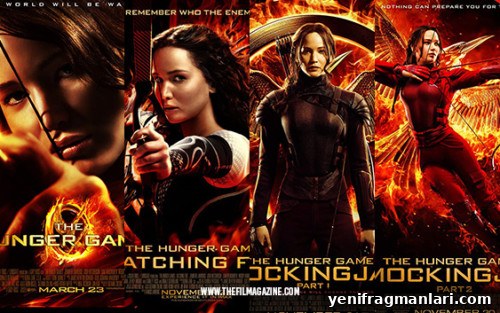
Adapted from Suzanne Collins’s bestselling trilogy, the Hunger Games films have become a defining modern series of young-adult dystopian cinema. Combining a high-concept premise with strong filmmaking and a memorable lead, the story of Katniss Everdeen and her rise to symbol of rebellion in Panem spans four films released between 2012 and 2015.
Although the books target young-adult readers and feature adolescent characters, the films explore mature themes—violence, inequality, propaganda, and social justice—that broadened their appeal well beyond the YA audience. The series also played a major role in establishing Jennifer Lawrence, who portrays Katniss, as a global movie star.
The franchise remains culturally relevant; Suzanne Collins later expanded the world with a prequel novel, The Ballad of Songbirds and Snakes, set during the 10th Hunger Games. As the saga’s influence persists, fans keep returning to the films, debating which entry stands out as the best.
Have an opinion? Make sure to leave a comment!
4. The Hunger Games: Mockingjay – Part One (2014)
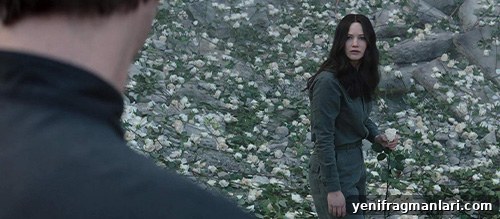
Mockingjay – Part One takes the action away from the arena and into the underground world of District 13. Under President Alma Coin (Julianne Moore), the rebels attempt to turn Katniss’s defiant Quarter Quell moment into the spark that will unite the districts against the Capitol.
In this entry Katniss reluctantly assumes the role of the Mockingjay, the public symbol of the uprising. Separated from Peeta (Josh Hutcherson), who is captured and manipulated by President Snow (Donald Sutherland), Katniss becomes the face of propaganda broadcasts intended to rally the populace.
One of the series’ strengths is the relationship between Katniss and Peeta—their opposing temperaments and complicated bond that began as a staged romance and became a genuine, life-saving connection. Mockingjay – Part One examines how Katniss functions without Peeta and what she is willing to do to rescue him.
The film benefits from strong supporting performances: Mahershala Ali brings quiet authority as Boggs, while Natalie Dormer adds texture as director Cressida. The movie also offers a satisfying behind-the-scenes look at Katniss’s evolution from reluctant symbol to active leader.
Part One is not a weak film by itself, but it suffers from a familiar problem when novels are split into two movies: much of the running time serves as set-up. The pace lingers and the structure feels transitional, laying groundwork for the finale rather than delivering a complete arc on its own. Die-hard fans will appreciate the extended time in this world, but as a standalone entry it ranks lowest among the four.
3. The Hunger Games: Mockingjay – Part Two (2015)
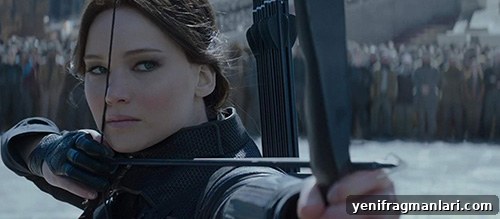
Mockingjay – Part Two picks up directly from the previous film. With Peeta rescued, the rebels press their assault on the Capitol and the series races toward its conclusion. Katniss and her team become the public face of the war, pushing through a city rigged with deadly traps as they move toward President Snow’s stronghold.
The film adapts some of the darker, more surreal elements of Collins’s finale: psychological manipulation, grotesque booby traps, and harrowing combat that underline the story’s horror. These moments can feel disjointed, but they also heighten the sense that the conflict has spiraled into something brutal and unpredictable.
Despite occasional narrative strain, Mockingjay – Part Two delivers the emotional payoff and visceral action expected of a finale. A tense sequence in the underground tunnels exemplifies the film’s ability to frighten and grip its audience, and the narrative does not shy away from the human cost of revolution—losses are real and deeply felt. Most poignantly, the resolution forces Katniss to confront how much has been sacrificed and whom she has truly lost.
As an ending to the saga, this film satisfies more than its predecessor alone could, balancing spectacle with emotional consequence and closing the character arcs created across the franchise.
2. The Hunger Games (2012)

The original Hunger Games introduced audiences to Katniss Everdeen and the stark world of Panem. On the day of the reaping, Katniss volunteers to take her sister Prim’s place, setting in motion the events that will define her life. From there, the film exposes the grotesque spectacle of the Games: children polished for public consumption, paraded for the Capitol’s entertainment, and forced to fight for survival.
Working with mentor Haymitch (Woody Harrelson), Katniss and Peeta adopt a staged “star-crossed lovers” narrative to gain sympathy and increase their odds. The ploy becomes both a survival strategy and an emotional anchor as their on-screen romance complicates real feelings and motives.
Directed by Gary Ross, the film’s tone is sober and grounded. The drab, ash-colored aesthetic of District 12 contrasts sharply with the Capitol’s flamboyant excess, emphasizing social inequality. Ross’s handheld camera choices impart an immediacy and rawness that suit the material.
Jennifer Lawrence’s performance anchors the movie: she balances toughness and vulnerability, revealing a protagonist who resists heroism yet becomes indispensable. In this first installment she establishes Katniss as a complex figure who acts out of loyalty and necessity rather than a desire for glory—this restraint makes her growth across the series compelling.
1. The Hunger Games: Catching Fire (2013)
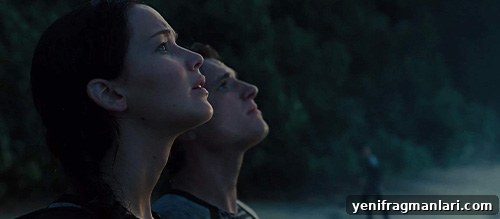
Catching Fire begins by showing the aftermath of survival: Katniss is a victor who still hunts, suffers severe trauma, and participates in a contrived romance for the cameras. The victory tour exposes the growing unrest in the districts and signals that their act of defiance has wider consequences.
President Snow is far from finished. The Quarter Quell—a special, twenty-five-year edition of the Games—forces previous victors back into the arena, and Katniss is drawn into a new, deadlier contest. Peeta volunteers to join her, further complicating their relationship and raising the stakes for both of them.
Where the sequel excels is in expanding the original’s strengths with greater scale and depth. Director Francis Lawrence preserves the world’s established tone while elevating the production: the new arena—an intricate mix of beach, jungle, and water—produces striking cinematic imagery, and key character additions enrich the emotional landscape.
Characters like Johanna Mason (Jena Malone), Finnick Odair (Sam Claflin), and Beetee (Jeffrey Wright) add texture and moral complexity to the contest, making the ensemble feel lived-in and consequential. The movie also sharpens the trilogy’s social critique: the Capitol’s decadence, the spectacle of violence, and the corrosive effects of media are explored with more urgency and clarity.
Catching Fire balances spectacular action with thoughtful commentary and strong performances. It deepens the series’ themes while delivering tense, memorable set pieces—earning it the top spot in this ranking and making it the franchise’s most complete and resonant entry.
Do you agree with this ranking? What’s your favorite moment or film from the Mockingjay saga? Share your thoughts in the comments.
This article was written exclusively for The Film Magazine by thecineblog’s Sophie Butcher.