
This article was written exclusively for The Film Magazine by Harrison Thorne of Home Brewed Reviews.
Blade Runner 2049 (2017)
Director: Denis Villeneuve
Screenwriters: Hampton Fancher, Michael Green
Starring: Ryan Gosling, Harrison Ford, Jared Leto, Sylvia Hoeks, Ana De Armas, Dave Bautista, Robin Wright, Mackenzie Davis
“A beautiful, rich and immersive sequel that bucks the typical Hollywood trends”
Blade Runner 2049 stands among the most acclaimed films of its decade for good reason. On both technical and emotional levels it succeeds as a rare blend of spectacle and introspection: a sequel that expands its predecessor’s mythology while deepening the moral and existential questions at the franchise’s core. Denis Villeneuve’s assured direction, paired with Roger Deakins’ extraordinary cinematography and a committed ensemble cast, produces a film that rewards patient viewing and repeated returns.
Hampton Fancher, who co-wrote the original Blade Runner, together with Michael Green, crafts a screenplay that respects the source material while pushing it forward. The narrative takes its time, privileging atmosphere and thematic inquiry over constant action. It probes the boundary between human and machine—identity, memory, and the possibility of empathy—without pretending to provide tidy answers. Instead, the screenplay leans into ambiguity, allowing questions to accumulate in the viewer’s mind and sustaining a sense of mystery that deepens rather than diminishes on reflection.
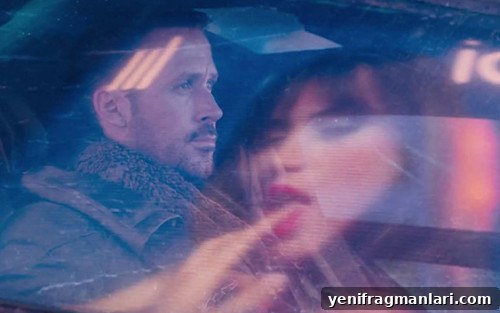
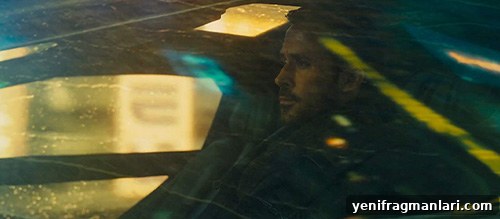
Villeneuve is an ideal guide for this material. His films consistently balance quiet, intimate moments with sequences of stark intensity, and here he demonstrates a masterful feel for pacing and visual composition. The production design and color palettes are used as narrative tools: the neon, rain-soaked streets of Los Angeles contrast with the vast, sun-drenched ruins beyond the city, each environment reflecting a different facet of the film’s world and its emotional tenor. Villeneuve’s choices foster immersion—audiences are invited to linger on frames that communicate mood as much as plot.
Photographed by Roger Deakins, the film’s imagery deserves special note. Deakins employs wide, contemplative shots and meticulous framing that encourage viewers to absorb the landscape and the quiet moments between characters. When action occurs, it is captured with clarity and impact; the choreography and camera work allow each blow and reaction to land with weight, a deliberate contrast to the fragmentary, shaky visual language common in contemporary blockbusters. Deakins’ work on this film was honored with the Academy Award for Best Cinematography—a recognition that underscores how vital the visuals are to the film’s success.
At the center of the story is Ryan Gosling, who delivers a restrained, nuanced performance. His measured physicality and precise emotional beats make the character’s internal conflict tangible: a being caught between programming and longing, duty and doubt. Harrison Ford returns as Rick Deckard with a weariness and depth that feel earned; his presence anchors the film and provides emotional continuity with the earlier story. The supporting cast—including Jared Leto, Sylvia Hoeks, Ana de Armas, Dave Bautista, Robin Wright, and Mackenzie Davis—adds texture and tension, with each actor contributing a distinctive energy that enriches the film’s interpersonal dynamics.
Technically, the film is impeccable. Production and visual effects serve the story rather than overpower it, and the soundscape heightens immersion without resorting to gratuitous loudness. The result is a fully realized future that feels lived-in: dystopian, unsettling, and at times strangely beautiful. Moments of quiet revelation are as affecting as the film’s more dramatic scenes, because the filmmakers give audiences space to consider the implications of what they witness.
Blade Runner 2049 is the kind of sequel that honors its predecessor while staking out its own identity. It exemplifies thoughtful mainstream filmmaking—one that values theme, mood, and character as highly as spectacle. For viewers seeking a big-screen experience that invites reflection as well as wonder, this film remains essential viewing. Everyone involved should be proud of a project that demonstrates how bold, patient storytelling can still flourish in contemporary cinema.
24/24
Written by Harrison Thorne
You can support Harrison in the following places:
Blog: Home Brewed Reviews
Twitter: @brewed_home