
The motorsport film is a difficult brief to fulfil. Racing movies must appeal both to dedicated fans who demand technical authenticity and to general audiences who want a compelling human story. That balance is hard to strike, especially in a cultural moment when motorsport can seem less fashionable amid environmental concerns. All the more reason to applaud a film that brings racing back into the spotlight with energy and respect.
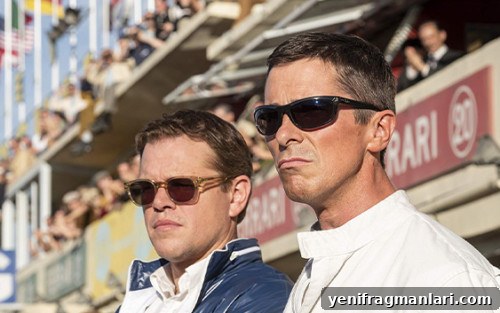
Recent attempts at portraying motorsport on screen have varied widely — some make you wince, others inform — but the latest mainstream offering, Ford v Ferrari, succeeds in giving the sport serious cinematic treatment without relying on a documentary format. It revives a largely overlooked chapter of racing history and centers on the partnership between Carroll Shelby (Matt Damon) and Ken Miles (Christian Bale), focusing on Miles’s crucial role in turning the Shelby-built Ford GT40 into a Le Mans 24 Hours winner.
The Right Balance
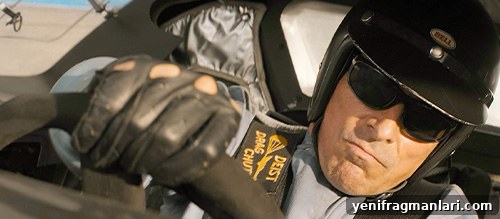
Viewers will recognize familiar motorsport film conventions: last-second overtakes, dramatic revving, and a few cinematic clichés that ramp up tension. At times the dialogue leans toward Hollywood bluntness, and certain on-track maneuvers are staged for maximum drama. Still, unlike many past attempts, this film largely avoids feeling fake: the period cars, the sound of big-block American V8s, and the recreated Le Mans circuit convincingly evoke the era.
Where other racing films have overstretched or slipped into absurdity, Ford v Ferrari finds a productive middle ground. It resembles the character-driven approach of films like Rush more than documentary-style portraits such as Senna, but it benefits from careful production design and editing choices that make speed and mechanical detail feel authentic to the 1960s.
Don’t Pick a Fight
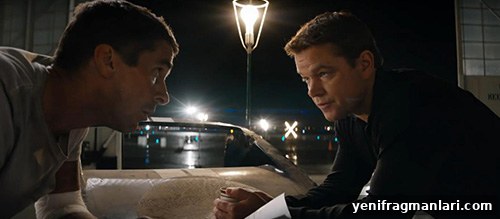
Importantly, the film resists simplifying the story into a one-dimensional conflict. Although the title emphasizes Ford versus Ferrari, the movie prioritizes the personalities of Shelby and Miles over the corporations they represent. Christian Bale’s portrayal of Ken Miles makes him immediately sympathetic — a skilled and stubborn driver-engineer who balances family life with a fierce dedication to his craft. Matt Damon’s Carroll Shelby brings warmth, charisma, and the savvy of a man who knows how to navigate both garages and boardrooms.
Rather than villainizing the opposition, the film shows Ferrari as a passionate, focused organization, while Ford’s corporate approach — driven by marketing priorities and internal politics — is portrayed as the real impediment to the Shelby-Miles team. The movie places the easiest villain label on Leo Beebe (Josh Lucas), whose decisions help create one of the most controversial outcomes at Le Mans in 1966: a staged photo-finish that cost Ken Miles an unquestioned victory.
Real Deal?
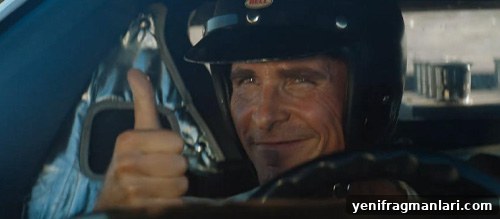
As with any dramatization, liberties are taken: some scenes are heightened for emotional effect and a few historical details are condensed or reordered. Purists may note specific inaccuracies — for example, certain personal interactions are compressed and some events are shifted in time — but the core of the story remains true. The film captures the spirit of the people and machines involved, and it conveys the relentless engineering drive that defined Shelby and Miles.
For fans of racing movies, the on-track sequences deliver satisfying sensory realism. The roar of the engines, the vibration of heavy machinery, and well-executed editing make speed feel tangible. The soundtrack favors authentic mechanical noise over synthetic effects, and the cinematography frames both the visceral thrill of competition and quieter moments of human connection.
Even viewers less familiar with motorsport will find a strong human narrative: the partnership, the sacrifices, the corporate interference, and the bittersweet outcome all work together to make a gripping drama. The script finds emotional beats that let Christian Bale and Matt Damon inhabit complex, believable characters rather than caricatures. Their chemistry anchors the film and turns technical racing sequences into human drama.
It’s not a perfect historical record, nor is it a flawless movie in every technical or narrative detail. But it delivers what matters for a broad audience: the excitement of competitive racing, the depth of a real partnership, and a renewed appreciation for a pivotal moment in motorsport history. Above all, the film puts racing back where it belongs — on the big screen — and treats its subject with a mix of spectacle and reverence that should satisfy both gearheads and casual viewers.
Written by Dan Mason
You can support Dan on Twitter: @danmason91