

First impressions matter — you rarely get a second chance. A character’s introduction must pull us into their world, offering enough detail to spark curiosity without revealing everything. Sometimes an opening scene welcomes us in; other times it warns of what’s to come. Below are five memorable character introductions from film history, each crafted to reveal personality, stakes, or the tone of the story.
Here are 5 more of the best character introductions in movie history.
Have thoughts? Let us know in the comments or tweet us!
1. The Lisbon Sisters
The Virgin Suicides (2000)

Narrated by the adult voice of a group of neighborhood boys, Sofia Coppola’s debut feature The Virgin Suicides unfolds like a melancholic memory. Based on Jeffrey Eugenides’ novel, the film recounts the enigmatic lives of the Lisbon sisters through the obsessive, yearning eyes of their young male neighbors.
The film opens with the aftermath of youngest sister Cecilia’s attempted suicide, a fragile, heartbreaking moment. When a doctor asks, “What are you doing here, honey? You’re not even old enough to know how bad life gets,” Cecilia’s dry, iconic reply — “Obviously, doctor, you’ve never been a thirteen year old girl” — immediately establishes her blend of vulnerability and world-weariness.
Giovanni Ribisi’s adult narrator frames the sisters for us, each briefly frozen in the boys’ view as their names appear in bubble-style lettering reminiscent of old high-school notebooks: Cecilia, 13; Lux, 14; Bonnie, 15; Mary, 16; Teresa, 17. The boys’ longing bleeds through every line of narration, making the girls into objects of intense fascination. Yet the boys never actually speak to them; their perspective is one of distance and desire. This introduction sets up the film’s tragic tone, the gap between fantasy and reality, and the idea that some people remain unknowable even to those who watch them most closely.
2. Christine “Lady Bird” McPherson
Lady Bird (2017)
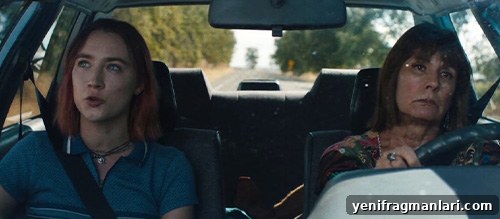
Greta Gerwig’s Lady Bird centers on the combustible relationship between Christine — who insists on being called “Lady Bird” — and her mother, Marion. The film introduces its protagonist through a single, emotionally charged scene that immediately reveals who she is and what she wants.
The opening finds Lady Bird and Marion asleep together on a modest motel bed, a calm that the film quickly shatters. After a college visit leaves them both weeping, a tense car ride home escalates from passive-aggressive comments into an all-out argument about the future. Lady Bird insists her mother call her by her chosen name, a small but potent assertion of identity. Filmed within the cramped space of a moving car, the scene feels claustrophobic — mirroring Lady Bird’s sense of being trapped in a small town and in familial expectations.
The sequence culminates in a startling, unforgettable beat: Lady Bird opens the car door and steps out while it’s still moving. The shock on Marion’s face and the audacity of the act capture the film’s central conflicts — rebellion, longing, and the wrenching love between mother and daughter. This introduction immediately anchors us in Lady Bird’s restless spirit and the tone of Gerwig’s coming-of-age story.
Recommended for you: Lady Bird (2017/18) Review
3. Sebastian Valmont
Cruel Intentions (1999)
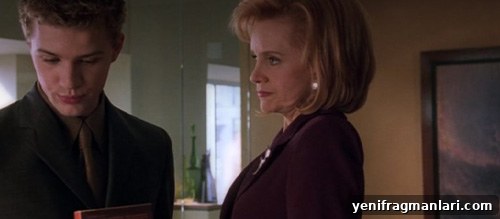
Roger Kumble’s Cruel Intentions opens with a stylish sequence that immediately introduces Ryan Phillippe’s Sebastian as charming, privileged, and dangerous. Against a moody soundtrack and urban backdrop, we meet him in a therapist’s office, where his flippant remarks and entitled charisma reveal his manipulative tendencies.
Sebastian professes an inability to “feel sorry” for himself because he’s a “poor little rich boy,” then flirts and jokes his way through the session. He asks to keep the therapist’s book, compliments her, and charmingly disarms her — all the while hinting at a darker edge. When a scandal involving the therapist’s daughter unfolds, and we learn that Sebastian’s words have been echoed by the victim, the scene snaps into place: he’s not merely a troubled youth, he’s an agent of chaos. The juxtaposition of his cultivated refinement with unethical behavior makes this introduction both unsettling and magnetically watchable, setting the stage for the film’s games of seduction and cruelty.
4. Jo March
Little Women (2019)
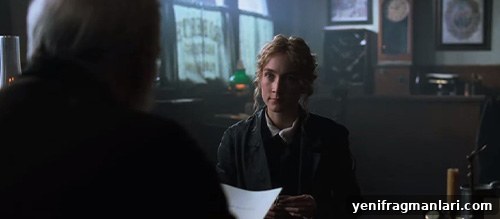
Greta Gerwig’s 2019 adaptation of Little Women opens not in Concord with a teenage Jo, but seven years later in New York City. The first image of Jo March — silhouetted in the doorway of the Roberts Brothers publishing house — immediately tells us where she stands: at the threshold of the literary world, both hopeful and hardened by experience.
Jo arrives at the office to pitch a short story “by a friend,” hiding ink on her hands and obviously eager to be taken seriously. As the editor trims her pages and chuckles at parts of her writing, Jo reacts with a mixture of anxiety and defiance. This opening frames Gerwig’s film around Jo’s career and creative compromises, showing how she navigates a male-dominated publishing world while remaining fiercely committed to her voice.
By beginning in adulthood and moving back and forth in time, the film emphasizes contrasts between youthful aspiration and the realities of artistic life. Jo’s relationship to her work — the compromises she makes, the confidence she claims — becomes the emotional backbone of this adaptation, and the publishing-house introduction makes that central immediately clear.
Recommended for you: Little Women (2019) Review
5. Cassie
Marriage Story (2019)
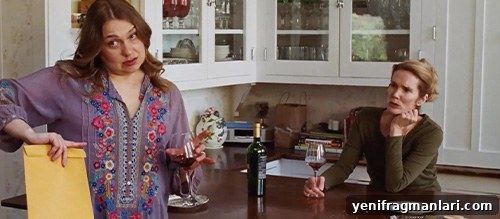
Thirty minutes into Noah Baumbach’s Marriage Story, the film introduces a character who immediately brightens the emotional palette: Cassie, Nicole’s sister. Played with delightful comic timing, Cassie enters during a scene charged with nervous tension — she’s been tasked with serving divorce papers to Nicole’s husband, Charlie.
Nervous and wine-glass in hand, Cassie asks their mother why she was given such an awkward job. Nicole reassures her she’ll explain the situation to Charlie before Cassie hands over the papers, but Cassie’s visible anxiety and earnestness turn a fraught moment into something human and warmly funny. Merritt Wever’s performance provides a tonal counterpoint to the film’s gravely serious divorce drama: she seems to arrive from a screwball comedy into the midst of heartbreak, offering levity without undermining the stakes.
This introduction does important work — it eases the audience into the film’s emotional complexity and reminds us that even in legal and marital turmoil, ordinary moments of humor and kindness persist. Cassie’s scene quickly makes her memorable, demonstrating how a well-drawn supporting character can shift the tone and deepen our understanding of the central conflict.
Recommended for you: Other “5 of the Best Character Introductions in Movie History” entries
Written by Pagan Carruthers
Support the author on social platforms: Twitter – @PaganCarruthers · Letterboxd – /pagancarruthers
Pages: 1 2