
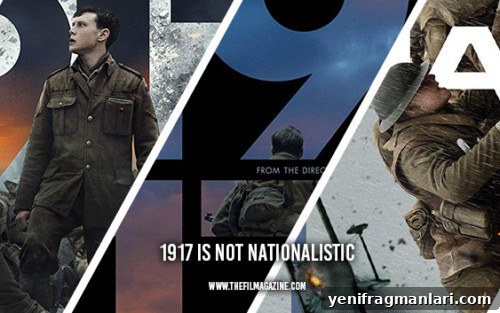
After receiving widespread awards attention, a big opening weekend, and significant Oscar consideration, 1917 emerged as one of the most talked-about films of its year. That acclaim did not shield it from criticism. Some commentators argued the film fails to interrogate the political and ideological roots of World War I and therefore risks promoting a nationalist viewpoint. That critique deserves attention, but it also misses how the film communicates its moral perspective through character, visual design, and cinematic form. This essay examines how 1917 transcends its historical setting to deliver a humane, anti-romantic argument about war and the costs of blind nationalism.
The Obligation of War Films
Some critics maintain that any movie about war must explicitly explain the causes of the conflict. That position holds that failing to do so is irresponsible or implicitly nationalistic. But film can condemn war in ways that do not require extended historical exposition. Cinema often communicates moral stance through tone, character, narrative choices, and visual metaphor rather than explicit political lectures.
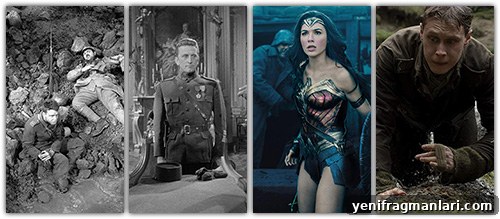
Classic anti-war films like All Quiet on the Western Front and Paths of Glory do explicitly indict nationalist leaders who send young men to their deaths. 1917 joins that lineage by depicting the deadly consequences of grand strategic choices—without devoting screen time to a documentary-style lesson about the geopolitical origins of European imperial rivalries. The film’s moral argument is conveyed through what the camera makes us witness: ruined landscapes, wasted lives, and the intimate human losses that follow.
Requiring every war film to include a political primer risks turning narrative art into polemic. Some films—Terrence Malick’s The Thin Red Line among them—have proven a wartime subject can be treated with moral seriousness and philosophical depth without cataloguing causes or assigning systemic blame in explicit terms. Moral weight can be carried by character moments and visual rhetoric as effectively as by polemic dialogue.
“War is Hell” as Moral Condemnation
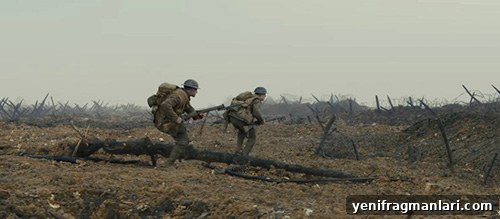
The charge that World War I lacked a justifying moral cause when compared to conflicts like World War II or the American Civil War is historically grounded, and the film need not deny that context. 1917 repeatedly shows how meaningless political aims translate into private tragedy. Soldiers with families, small acts of kindness, and abandoned civilians appear against a backdrop of casualties and destruction. By making viewers confront the human costs, the film mounts an implicit condemnation of the nationalism and imperial ambition that produced such suffering.
In this sense, the film’s visual insistence—that men bleed and loved ones are left behind—works as a moral argument. It turns the abstract concept of “national interest” into immediate, visceral loss. Rather than lecture audiences about policy or ideology, the film makes the stakes tangible and personal.
Introspection in 1917
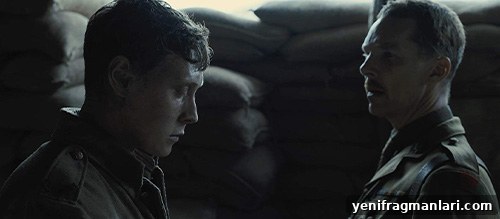
One criticism claims the British officers in 1917 are depicted as competent and humane, which supposedly softens any critique of the system that sent men to die. But portraying individual leaders as empathetic does not negate critique; instead, it offers a model of how leadership could be exercised responsibly. Showing officers who are direct, serious, and capable of admitting error invites reflection on the contrast between ethical leadership and the callousness often associated with unchecked nationalism.
When an officer like Colonel Mackenzie makes a reckless decision, the film frames it as an individual failing rooted in impatience and faulty information rather than as mere caricature. That nuance strengthens the film’s moral authority: it recognizes human complexity while holding individuals accountable for their choices.
Similarly, the film does not shy away from moments of shared humanity with the enemy. There are brief but meaningful gestures—saving a wounded opponent, moments of mutual vulnerability—that visually suggest servicemen on both sides are more alike than different. Those moments counter simplistic “us versus them” narratives and underline the film’s humanist leanings.
1917 Isn’t Just About World War I
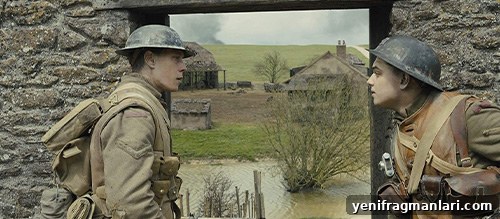
The power of 1917 lies in how it speaks to conflicts beyond its historical setting. At its core the film follows two young men on a dangerous mission—soldiers who, like many of us today, are swept into events larger than themselves. Their concerns are immediate and human: family, survival, and small acts of compassion that preserve dignity in chaos. By focusing on these human-scale concerns, the film invites modern viewers to find ethical resonances in situations far removed from World War I.
In depicting trauma, resilience, and the daily decisions that shape survival, 1917 presents a practical humanism: compassion, clarity, and interpersonal responsibility are the means by which communities endure. This is a subtle but powerful counterargument to nationalist narratives that valorize abstract glory over lived human cost.
Symbolism and Cinematography in 1917
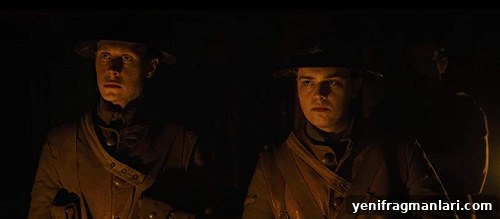
The film’s long-take aesthetic is not merely a technical stunt; it serves thematic ends. The continuous camera creates an immersive descent into the world these soldiers inhabit and makes every loss feel immediate. Color and iconography further the film’s moral language. Warm orange hues recur across uniforms, fire, and damaged terrain, suggesting the persistent presence of human life and care even amid devastation. Greens of the countryside and the recurring blossoms and milk imagery offer a visual counterpoint—reminders of the life and beauty that survive attempts to destroy them.
These visual motifs—burning churches, rolling hills, and fragile domestic interiors—contrast the wasteland of mechanized warfare with the ordinary goods and gestures worth defending. The film thus constructs optimism without naïveté: it acknowledges that conflicts repeat through history, yet insists compassion and attention to ordinary life are the antidotes to endless violence.
Conclusion
To call 1917 implicitly nationalistic overlooks the film’s sustained humanism, moral clarity, and visual indictment of war’s brutality. Rather than preaching, the film trusts its audience to read its signs: wasted lives, small mercies, and the ways leaders and soldiers respond under pressure. That restraint strengthens its ethical reach. By making viewers witness the costs of conflict, 1917 speaks against romanticized nationalism and in favor of compassion, responsibility, and a clearer appreciation for what is lost when politics sacrifices ordinary humanity.