
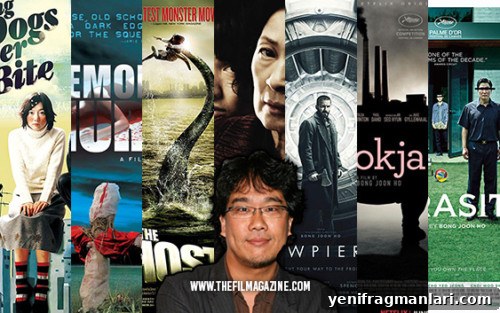
Everyone is talking about Bong Joon-ho, and with good reason — he has reshaped contemporary cinema. Before 2019, outside dedicated film circles, he was often seen as a distinctive South Korean director known for his strange genre blends: monster movies that mix horror, comedy and social critique. With the international and awards success of Parasite, Bong has become a widely recognized name across the globe.
Bong’s films consistently examine social structures and human behavior, using sharp satire, dark humour and genre subversion. He often portrays institutions and authorities as clumsy, corrupt or morally compromised, while balancing bleak themes with moments of warmth or absurdity. His work blends visceral spectacle with intimate character drama, producing films that are entertaining, unsettling and thought-provoking.
To mark the breakthrough of Parasite at the Oscars, here is a ranked look at all seven of Bong Joon-ho’s feature films to date, highlighting what makes each unique and where it sits in his remarkable filmography.
Please share your own ranking on social media or in the comments — it’s always interesting to see different perspectives.
7. Okja (2017)
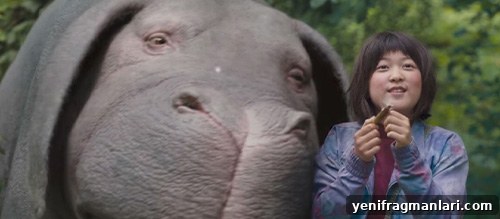
Okja is a satire of industrial food production and corporate marketing. The Mirando Corporation engineers “super-pigs” as a publicity and profit scheme, sending them to farms worldwide. The story focuses on one such animal, Okja, and the bond she forms with a young girl in rural Korea. When the corporation attempts to reclaim the animal, events spiral into a confrontation between corporate greed and grassroots resistance.
The film criticizes big agribusiness and consumer ignorance, while also complicating the image of activists and idealists who oppose these systems. Performances are strong, and Okja herself is a remarkably expressive, sympathetic creation. However, some antagonists are presented in broadly caricatured terms, which undercuts the film’s emotional stakes at times.
Director Bong trademark moment: Okja’s frantic escape through a busy Seoul market, set against an incongruous song, blends chaos and tenderness in a single sequence.
6. Barking Dogs Never Bite (2000)
Warning: not recommended viewing for sensitive dog lovers. It is unsettling, though not explicit.
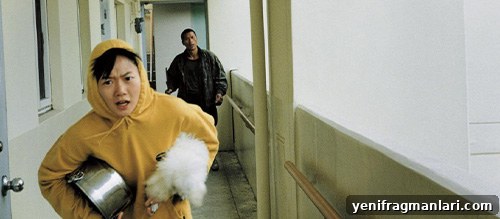
Barking Dogs Never Bite follows an unemployed college lecturer driven mad by the sound of a constantly barking dog in his apartment building. His mounting frustration leads to increasingly desperate measures, while a cast of eccentric neighbors and a sinister caretaker complicate matters.
This early Bong effort is a darkly comic observation of loneliness, social disconnection and the small cruelties of everyday life. The film’s characters are odd and often unsympathetic, which serves the film’s thesis about urban alienation, but it also reveals Bong still finding his balance between dark humour and human empathy.
Director Bong trademark moment: A frenetic chase around the apartment block culminates in a grimly ironic gag involving the fate of a dog.
5. Snowpiercer (2013)
Snowpiercer Review
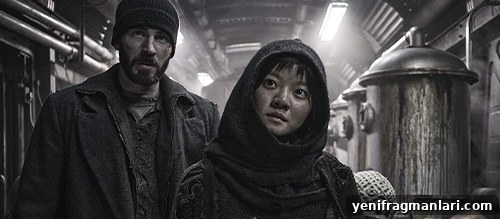
In a frozen, post-apocalyptic world, the last survivors live aboard a perpetually moving train divided by a rigid class system. The impoverished rear carriages rise up and fight their way to the front in a brutal struggle for survival and justice.
Snowpiercer is Bong’s most overtly action-oriented film, blending dystopian spectacle with trenchant social commentary. The film’s visual design and set-piece battles are memorable, and its class allegory is made explicit through exaggerated characters and vivid production design. Chris Evans anchors the cast as the desperate revolutionary, supported by a diverse ensemble.
Director Bong trademark moment: The assault on the brightly coloured school carriage, where propaganda for the elite turns into shocking violence, juxtaposes innocence and brutality to chilling effect.
4. Mother (2009)
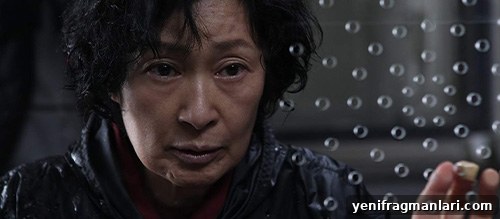
Mother tells the story of a desperate woman determined to prove her intellectually disabled son’s innocence after he is accused of murder. When the justice system fails to provide answers, she embarks on an increasingly moral and dangerous quest to clear his name.
This is one of Bong’s darkest films, notable for its moral ambiguity and the extraordinary central performance by Kim Hye-ja. The film resists easy answers, forcing the viewer to confront ethical compromises driven by maternal devotion. Mother balances a crime-thriller structure with intimate emotional stakes.
Director Bong trademark moment: A tense police interrogation scene exposes how wealth and status protect the powerful, while the vulnerable remain exposed.
3. The Host (2008)
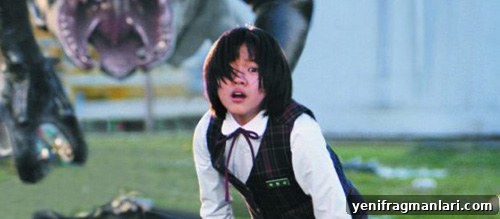
The Host Review
A dysfunctional family must come together when a monster emerges from the Han River and kidnaps their youngest. The Host combines creature-feature thrills with family drama and social critique.
The film marked Bong’s breakthrough with international genre audiences. The creature is grotesque and immediate, and Bong stages action and human moments with equal skill. The Park family’s flawed relationships deepen the emotional impact, turning a monster story into a moving portrait of loyalty and grief.
Director Bong trademark moment: After the monster’s first attack, survivors shelter in a gym where the family’s grief erupts in a chaotic, heartbreaking scene that underlines their bond.
2. Parasite (2019)
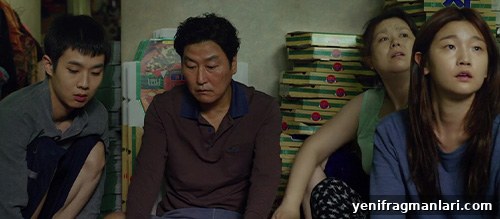
Parasite Review
Parasite follows a poor family who infiltrate a wealthy household by posing as tutors, drivers and housekeepers. The film quickly transforms from a social satire into a tense, darkly comic tragedy as class tensions escalate.
Parasite brought Bong unprecedented international recognition: it won top honours at Cannes and made history at the Academy Awards. The film’s layered symbolism, intricate structure and precise tonal shifts make it a modern classic. Every performance is sharp, and the film’s exploration of inequality is both intimate and universal.
Director Bong trademark moment: The desperate Kim family hiding under a living room table while their hosts carry on obliviously is a perfect image of class collision and mounting dread.
1. Memories of Murder (2003)
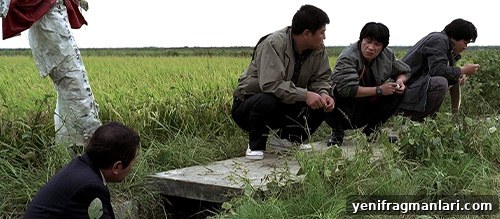
Based on a real, long-unsolved series of murders, Memories of Murder follows detectives struggling to catch a serial killer amid police incompetence and systemic corruption. The film blends dark humour with a harrowing sense of failure and moral ambiguity.
This work is often regarded as Bong’s most personal and powerful film. It confronts national traumas through a blend of procedural detail, bleak comedy and human tragedy. The detectives’ clumsy methods and personal flaws become a metaphor for larger institutional failures, making the film both a gripping mystery and a poignant social critique.
Director Bong trademark moment: The arrival at a muddy crime scene, where detectives stumble and a tractor runs over crucial evidence, captures the tragic absurdity at the heart of the story.
Which Bong Joon-ho films resonate most with you, and how would you order his filmography? Share your thoughts and rankings — there is plenty to debate in this singular body of work.