
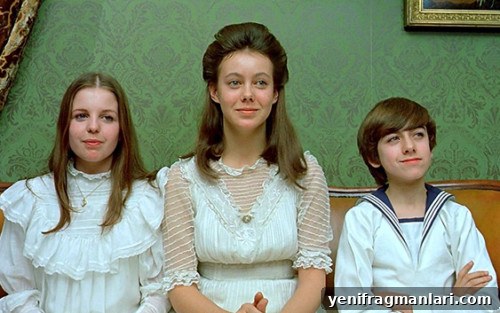
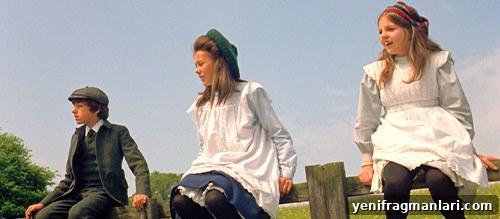
The Railway Children (1970)
Director: Lionel Jeffries
Screenwriter: Lionel Jeffries
Starring: Jenny Agutter, Gary Warren, Sally Thomsett, Dinah Sheridan, Bernard Cribbins, William Mervyn, Ann Lancaster
The Railway Children remains a beloved British family film that blends nostalgia, community spirit, and understated drama. Directed and adapted for the screen by Lionel Jeffries, the 1970 adaptation of E. Nesbit’s novel follows a well-off family forced to leave their comfortable life in London and relocate to a small Yorkshire village after their father is unexpectedly absent. The story is gently sentimental, rooted in childhood wonder, and grounded by quietly convincing performances from its young leads and supporting cast.
Set in an idealized rural Yorkshire, the film explores themes of class, family resilience, and the power of community. Although the family’s move is framed as a fall from middle-class comfort to “poverty,” the depiction is complicated: their hardship is relative, and the movie often reveals how privilege and innocence coexist. The mother’s efforts to provide for her children—balancing paid work and parental care—add emotional texture, even as the film skirts the harsher realities of early 20th-century life. Viewed through a contemporary lens, some of the class portrayals feel dated, yet they still reflect how British cinema of the period framed regional life as both austere and redemptive.
The film’s opening contrasts the city and the countryside with cinematic clarity. Nighttime sequences introduce a sense of unease, while morning scenes reveal sunlit hills and a welcoming village atmosphere. That contrast underlines the film’s core idea: Yorkshire is both a place of challenge and refuge. The narrative settles most comfortably at the local railway station, where much of the action and many of the film’s warmest scenes unfold.
Bernard Cribbins, as the station porter Mr. Perks, embodies the movie’s best qualities. His warmth, humor, and understated dignity provide a moral anchor for the children and for the audience. Perks is a quietly heroic figure who demonstrates how ordinary people create and sustain community. A memorable sequence involving the village’s attempts to celebrate his birthday captures the film’s capacity for simple emotional truth: small acts of kindness can mean everything.
The children—played with a mix of charm and realism by Jenny Agutter, Gary Warren, and Sally Thomsett—are the film’s beating heart. Their curiosity, mischief, and loyalty drive the story. At times their behavior reveals the blind spots of their upbringing: entitlement surfaces in moments such as when young Peter takes coal from the station, a scene that reads differently depending on the viewer’s perspective. Yet their courage and moral instincts are equally evident throughout. They care for a stranger in need, defend their neighbors, and ultimately take bold action to prevent a train disaster. Those episodes showcase the film’s enduring celebration of youthful courage and communal responsibility.
Cinematically, The Railway Children favors a gentle, straightforward style that places character and sentiment above spectacle. The rural setting is photographed with affection, and the soundtrack and pacing emphasize moods of quiet suspense and heartfelt reconciliation rather than dramatic excess. As a family film it leans on tradition: moments of innocence mingle with small moral lessons, and the conclusion offers emotional closure rather than shocking revelation. For viewers who grew up with the story, the film often feels like a homecoming; for newcomers it presents an accessible, if occasionally simplistic, portrait of English village life.
Critically, the movie is not without faults. Its representation of class and regional poverty can feel patronizing to modern audiences, and the children’s privileged naiveté is sometimes uncomfortable. Nonetheless, the film’s strengths—warm performances, a strong sense of place, and a well-told adaptation of a cherished novel—make it a rewarding watch. The climax, though sentimental, tends to move its audience, and the overall experience remains one of comfort and sincere affection for its characters.
Ultimately, The Railway Children (1970) is a classic British family film: imperfect, emotionally direct, and gently nostalgic. It’s an enduring snapshot of community values, youthful bravery, and the consolations of rural life, suitable for a cozy afternoon viewing or for anyone seeking a sentimental, character-driven story.
15/24