
This article was written exclusively for The Film Magazine by Sarah Williams.
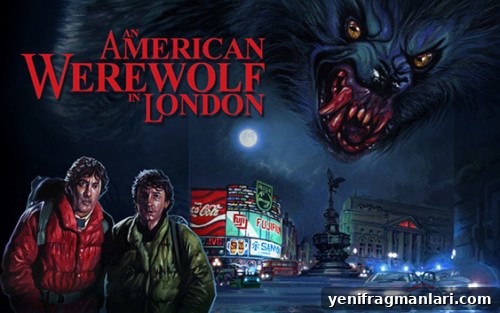
Jerry Mulligan and Adam are not the protagonists of this piece, despite the opening that might suggest MGM’s Technicolor romance. This review is about John Landis’ landmark horror-comedy, An American Werewolf in London, a film that blends genuine terror with dark, affectionate humor and remains influential decades after its release.
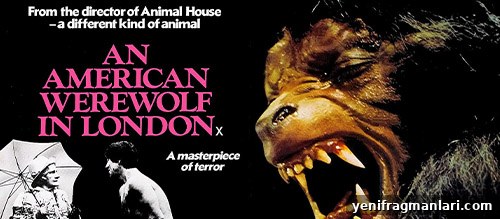
Landis’ story of two American backpackers in the English countryside—David (David Naughton) and Jack (Griffin Dunne)—turns from playful travel comedy into a chilling study of isolation and inevitable transformation when a mysterious creature attacks them on a foggy moor. Jack succumbs to his injuries, while David survives with a bite that dooms him to an unavoidable fate: he will become a werewolf. That looming, irrevocable change fuels the film’s unique horror, because it removes agency and replaces it with dread.
Part of what makes An American Werewolf in London so effective and enduring is its tonal dexterity. It moves from British black comedy and wry social satire to moments of intense body horror without losing cohesion. The humor—deadpan, absurd, and often bleak—acts as a pressure valve that makes the moments of terror hit harder. Lines like “A naked American man stole my balloons” remain delightfully quotable because they capture the movie’s mix of the mundane and the bizarre.
The film’s paranoia is another central strength. Once Jack is gone, David is alone in warning townspeople who refuse to believe him, and the atmosphere tightens into claustrophobia. This sense of being an outsider—an American in Britain, a tourist displaced in an insular rural community—heightens the story’s emotional stakes. The locals’ refusal to accept David’s experience reflects a deeper social skepticism: the truth of an outsider is easily dismissed. Landis uses this to great effect, turning a classic “boy who cried wolf” structure on its head and making the audience empathize with a protagonist whose very identity becomes monstrous.
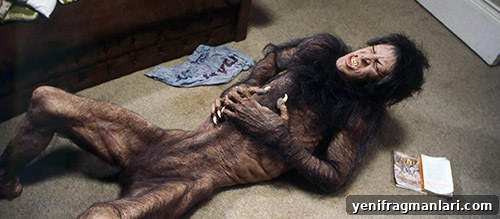
The transformation sequence remains the film’s most talked-about achievement. Rick Baker’s practical makeup and creature effects—detailed wounds, shifting bone structures, and the slow emergence of fur—create a visceral, tactile horror that digital effects rarely replicate. The scene is disturbing not only because of its craftsmanship but also because of what it represents: the protagonist’s loss of control and dignity. The body horror communicates pain and betrayal in a way that dialogue alone could never achieve.
Even as it traffics in national identity and cultural difference, the film keeps its themes relatively simple and universal. David’s alienation is rooted primarily in nationality and circumstance rather than in intersectional complexities; he is an outsider stranded by geography and fate. This focus makes the story more archetypal—a universal tale of human vulnerability rather than a pointed political critique—but it also means the film’s social messaging reads as light by contemporary standards. Still, the metaphor of foreignness sharpening into perceived threat remains compelling.
Landis balances the film’s tonal shifts with surprising sympathy for his characters. The werewolf is not an embodiment of pure malice but a tragic consequence of circumstance; because we have known David before the bite, the audience mourns him as much as it fears him. The film’s ability to elicit both laughter and pathos is why it continues to play well at midnight screenings and repertory houses, where audiences delight in reciting lines and reacting collectively to the shocks.
Critics have noted rough edges—the film can feel disjointed at times, like two different movies stitched together with a love story in between. Roger Ebert called it unfinished, and that assessment has merit. Still, the parts work: the comedy lands, the horror endures, and the emotional core remains relatable. The result is a genre-bending piece that helped open doors for dark comedies and hybrid horror films that followed.
As an entry point into horror for younger viewers, An American Werewolf in London occupies a special place. Its blend of scares and laughs makes it less forbidding than pure horror classics such as The Shining or The Thing, while its practical effects offer a masterclass in creature design that continues to influence filmmakers and makeup artists. Above all, the film’s enduring appeal lies in its ability to surprise: it can be funny, dread-inducing, tender, and grotesque in equal measure, and those contrasts keep viewers returning.
Written by Sarah Williams
You can support Sarah Williams in the following places:
Twitter – @peppermintsodas