
This piece was originally published on SSP Thinks Film by Sam Sewell-Peterson.
The Selfish Giant (2013)
Director: Clio Barnard
Screenwriter: Clio Barnard
Starring: Connor Chapman, Shaun Thomas, Sean Gilder, Steve Evets, Siobhan Finneran
The Selfish Giant is a powerful social-realist fable set in the rundown outskirts of Bradford, West Yorkshire. Director and writer Clio Barnard crafts a film that feels simultaneously timeless and unmistakably contemporary, blending the spirit of classic coming-of-age tales such as Oliver Twist and Stand By Me with a stark portrait of modern working-class life. The result is intimate, visually striking, and emotionally resonant.
The story follows two close pre-teen friends: Arbor (Connor Chapman), small, volatile and daring; and Swifty (Shaun Thomas), tall, gentle and loyal. They spend their days skipping school and collecting scrap metal to sell, eking out a living under the sway of a small-time dealer named Kitten (Sean Gilder). As Arbor takes greater risks to secure more metal and Swifty drifts into dangerous street gambling around illegal horse-and-cart races, their friendship and innocence are tested by poverty, loyalty and moral compromise.
The film’s comparisons to Stand By Me are fitting: it tracks the brief, intense period when childhood ends abruptly through traumatic events and life lessons learned too soon. At the same time, the influence of Dickensian narratives like Oliver Twist appears in the figure of Kitten — a charismatic yet exploitative adult who profits from the labor and vulnerability of children. Barnard’s screenplay avoids melodrama, choosing instead a compassionate, observant tone that gives characters real depth and agency.
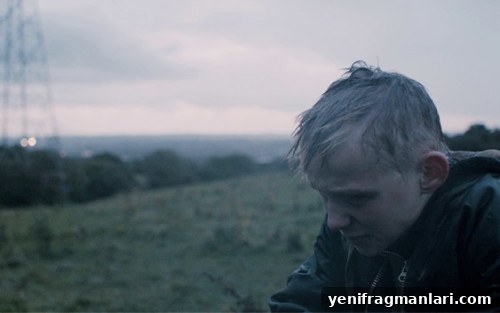
Visually, The Selfish Giant is notable for its striking cinematography. The film often finds beauty in bleakness: mist-shrouded fields, pale dawn light over industrial landscapes, and looming power pylons that feel both threatening and poetic. These images elevate the story into an almost folkloric space while keeping the realities of deprivation firmly grounded.
Performances are a major strength. Connor Chapman and Shaun Thomas share convincing chemistry, portraying a believable and affectionate bond that anchors the narrative. Sean Gilder’s Kitten is menacing without tipping into caricature, and supporting turns from Steve Evets and Siobhan Finneran add emotional weight as Swifty’s parents. Barnard draws naturalistic, layered performances from her cast, giving a sense of lived experience rather than staged drama.
Clio Barnard has established herself as a distinctive voice in British independent cinema. Her earlier work explored similar terrain, and here she demonstrates a keen, non-judgmental eye for social issues. Her direction shows both empathy and clarity: she highlights systemic inequality and the limited choices available to people in communities like Bradford without resorting to didacticism. That restraint makes the film’s human moments land harder, inviting viewers to empathize rather than simply sympathize.
Some viewers may find the film’s tone sombre, but it is far from hopeless. Beneath the hardship and heartbreak are persistent themes of loyalty, resilience and the possibility of change. Barnard manages to balance realism with a small measure of hope, suggesting that compassion and friendship can endure even in bleak circumstances. The film reads as a modern kitchen-sink drama infused with poetic imagery and moral urgency.
For audiences interested in social realism, regional British cinema, or affecting coming-of-age stories, The Selfish Giant is a must-see. It speaks to universal themes — class, morality, childhood and survival — while remaining deeply rooted in a specific place and community. Barnard’s film is both a clear-eyed study of inequality and a moving portrait of two boys trying to find their way.
23/24