
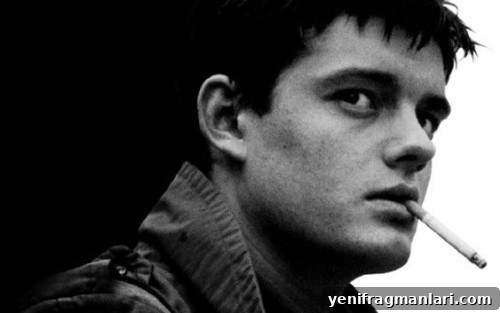
Ian Curtis often exists less as a living, breathing person and more as a series of stark, grainy photographs by Anton Corbijn: black-and-white portraits where his short dark hair, neat clothes and pale face emerge from drifting cigarette smoke. Those images helped define Joy Division’s cold, melancholic aesthetic and shaped public memory of the band’s shy, intense frontman.
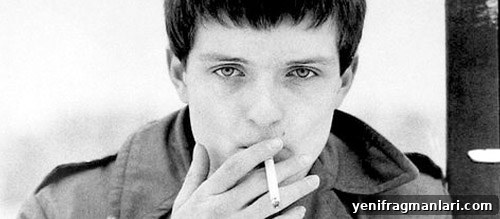
Ian Curtis as photographed by Anton Corbijn.
Anton Corbijn, who photographed Joy Division as they rose out of late-1970s Manchester, brought that same monochrome mood to his 2007 biopic Control. Drawing on Deborah Curtis’s memoir Touching from a Distance, Corbijn and screenwriter Matt Greenhalgh crafted a film that does more than chronicle a tragic decline: it examines the conflicting worlds that pulled Ian Curtis apart—home and family, music and performance, health and secrecy—while preserving the visual language that made Curtis iconic.
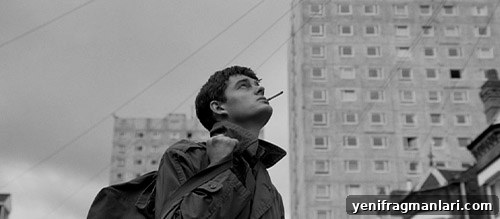
Control follows the last years of Curtis’s life with a clear focus on interior complexity rather than hagiography. Sam Riley’s performance channels Curtis’s brittle intelligence and escalating distress without reducing him to a one-note tragic figure. The film resists the common music-biopic trap of tracing a simplistic cause-and-effect line from fame to ruin. Instead it explores how the pressures of success, a fragile marriage and the onset of a disabling illness combined to overwhelm a talented but vulnerable young man.
From the opening scenes—Curtis hunched in his cramped Macclesfield room, absorbing music, poetry and the androgynous aesthetics of David Bowie—to the Sex Pistols-inspired leap into punk attitude, Control documents Curtis’s restless search for identity. Small moments—applying eyeliner, scrawling ‘hate’ on a jacket—sketch a young man experimenting with appearance and persona as part of a broader effort to find a voice. That quest produced the distinctive, haunting songs Joy Division would become known for, including “Isolation,” “She’s Lost Control” and the devastating “Love Will Tear Us Apart.”
The film makes the tug-of-war in Curtis’s life palpable. On one side is his wife Deborah and their daughter, demanding steadiness and domestic care; on the other, the escalating demands of a band rapidly becoming post-punk pioneers. Corbijn shows how Curtis tries to inhabit both roles—husband and devoted father at home, electrifying and physically unrestrained onstage—until the strain and contradictions become unbearable. His stage presence, captured in jolting, kinetic sequences, reads like both liberation and seizure, a public expression that masks private collapse.
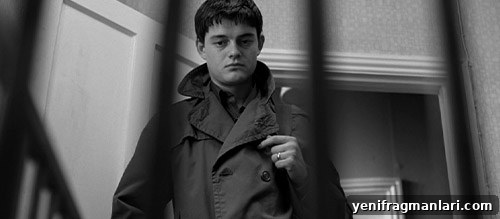
Epilepsy, a central element of Curtis’s life and the film’s narrative, is introduced early and handled with unsparing clarity. A scene at the job centre foreshadows the violent, uncontrollable seizures that later afflict him, and Control does not shy away from the physical terror and humiliation these attacks produced. The film also depicts the grim side effects of medication—drowsiness, disorientation and a sense of numbing—that compounded Curtis’s emotional withdrawal and eroded the pleasure he once found in music and daily life.
The film also addresses Curtis’s affair with Belgian journalist Annik Honoré, portraying it not as a simple scandal but as symptom: a searching response to feelings of isolation, boredom and entrapment. When Curtis tells Annik that his domestic life feels “grey” and miserable, the line underlines how suffocating routine can feel to a creative mind struggling to reconcile ambition and obligation. Voice-over passages in the film offer a window into his interiority—fragmented, weary, and often terrifyingly candid—while Riley’s performance registers layers of humor, charm and shame underneath the darker currents.
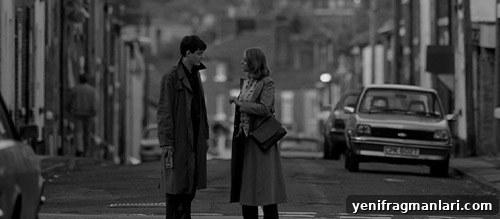
Control stands out for capturing not only the personality of Ian Curtis but also the texture of Mancunian life: wry humour, tough-minded sarcasm and working-class wit threaded through moments of tenderness. The dialogue and small comic beats—used sparingly—prevent the film from lapsing into unrelenting gloom and present Curtis as, among other things, a young man capable of laughter and ordinary warmth.
On 18 May 1980, faced with relentless seizures, deteriorating mental health and an impossible set of pressures, Ian Curtis took his own life. His death was a devastating loss for music and for Manchester’s cultural story. Today, the twin issues of mental illness and men’s suicide remain urgent public concerns, and Curtis’s life continues to prompt reflection about how we support creative people and how we encourage those struggling to seek help.
Ian Curtis’s songs and image endure. Corbijn’s film preserves the human contradictions behind the legend: a sensitive, driven artist whose brilliance was shadowed by illness and isolation. Control invites viewers to remember him as a complex, fully human figure—an artist whose work still resonates with listeners drawn to post-punk’s stark emotional honesty.
Written by Leoni Horton
You can support Leoni in the following places:
Twitter: @inoelshikari
Blog: Leoni Horton Movies