
Little Voice (1998)
Director: Mark Herman
Screenwriter: Mark Herman
Starring: Jane Horrocks, Brenda Blethyn, Michael Caine, Ewan McGregor, Philip Jackson, Annette Badland, Jim Broadbent
Little Voice is Mark Herman’s intimate, character-driven adaptation of the stage musical that balances sharp British humour with a tender study of talent, class and longing. Set in the seaside town of Scarborough, North Yorkshire, the film centers on LV—an unassuming young woman whose astonishingly accurate vocal impersonations of classic Hollywood singers hide a fragile inner life. Herman, who previously directed the working-class drama Brassed Off, approaches this story with the same empathy and keen observation of community and decline.
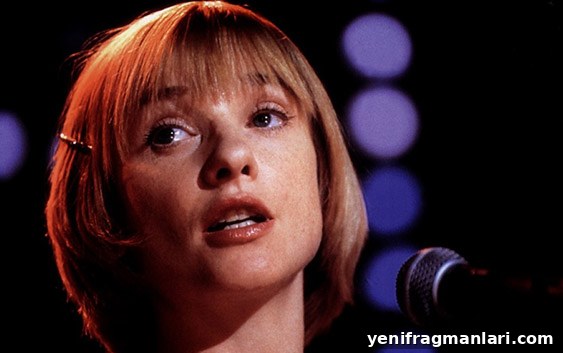
Jane Horrocks delivers a career-defining turn as LV. Her performance walks a delicate line: shy and fragile in everyday moments, then astonishingly confident and electrifying when she channels the greats on stage. Horrocks performs the tributes live, and those scenes are the film’s emotional and technical highlight—revealing not just mimicry but a full embodiment that creates genuine cinematic awe. Her ability to transform onstage makes LV’s arc—from reticence to brief, luminous triumph—feel earned and deeply affecting.
The supporting cast enhances the film’s texture. Brenda Blethyn is a standout as LV’s loud, self-indulgent mother, bringing comic fury, vulnerability and a stubborn streak of decency to a role that could easily have become a caricature. Blethyn’s performance earned major awards attention and remains one of the film’s most memorable elements. Michael Caine, nominated for a BAFTA for his turn here, brings his trademark presence and a plainspoken quality that suggests a character weathered by life’s disappointments. Ewan McGregor plays LV’s romantic interest, adding warmth and empathy, while character actors Philip Jackson, Annette Badland and Jim Broadbent provide small but distinct layers that enrich the ensemble.
Scarborough itself functions almost like a character. Herman and his team capture the faded grandeur of a once-thriving seaside resort—the shuttered shops, the retro amusements, the damp pier—creating a visual metaphor for the film’s themes. The town’s nostalgia and sense of decline underscore the characters’ own attachments to the past and their limited prospects. This environment makes LV’s talent feel both miraculous and precarious: a bright spark against a backdrop of erosion and missed opportunity.
At its core, Little Voice is not just a musical showcase but a meditation on aspiration, grief and the ways people inherit one another’s habits—both good and bad. Herman never sentimentalizes his characters; instead, he reveals their contradictions. LV’s journey toward the stage is simultaneously an act of escape and a confrontation with what she has learned from her mother. Even in moments of triumph, the film reminds us how difficult it is to break free of long-standing dynamics and how success can bring its own complications.
Stylistically, the film blends humour and melancholy with a naturalistic approach that emphasizes performance over spectacle. It belongs alongside other memorable 1990s British features that explored working-class life with warmth and authenticity. Where Little Voice distinguishes itself is in the quiet power of Horrocks’s singing and the film’s refusal to simplify its characters’ motivations. The result is a story that feels both specific to its Yorkshire setting and universal in its themes of longing and reinvention.
The film’s strengths are its performances, its empathetic direction and the way music is used as emotional revelation rather than mere entertainment. It’s an affecting portrait of a small-town life, made memorable by vivid character work and a strong sense of place. For viewers interested in British cinema, in nuanced acting, or in intimate musical drama, Little Voice remains an essential, quietly powerful film from 1998.
Score: 18/24