
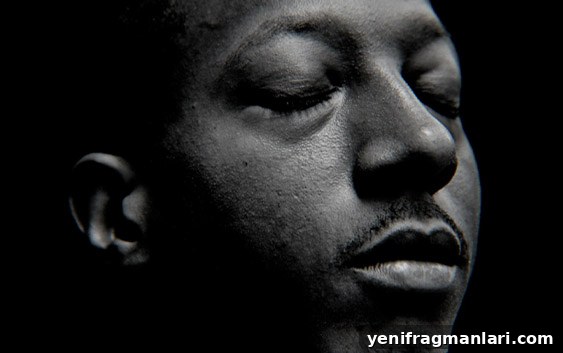
The murder of George Floyd in 2020 reverberated around the world. Floyd, a 46-year-old African American, was detained after an allegation involving a counterfeit bill and died while in police custody when an officer, Derek Chauvin, knelt on his neck for more than seven minutes. Video of the incident spread globally and triggered mass protests across all fifty U.S. states and many countries, as thousands demanded accountability, sweeping reform of policing and the criminal justice system, and recognition of systemic racism. Those demonstrations reignited urgent conversations about race, power, and privilege and pushed education about institutionalized racism into the public mainstream.
For many people trying to understand these issues, feature films provide a powerful, accessible place to begin. Cinema can give context, personal stories, and historical perspective that make abstract systems of inequality easier to grasp. Below are ten films from the past decade that illuminate aspects of racial injustice, white privilege, and the lived experience of Black Americans—each offering a different entry point for learning and reflection.
Please share other films that helped you learn in the comments at the end of this article.
1. 12 Years a Slave (2013)

Steve McQueen’s acclaimed biopic adapts Solomon Northup’s 1853 memoir to depict the brutal reality of slavery. Northup, a free Black man, is kidnapped and forced into slavery for twelve years in Louisiana. The film is often described as both unflinching and essential: it uses intimate performances by Chiwetel Ejiofor, Lupita Nyong’o and Michael Fassbender to build empathy and confront viewers with the human consequences of slavery and the foundations of racial hierarchy in American history.
2. Moonlight (2016)
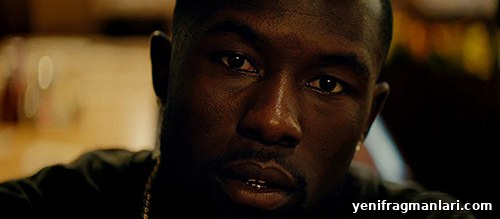
Barry Jenkins’ Moonlight, based on a semi-autobiographical play by Tarell Alvin McCraney, traces the coming-of-age of Chiron across three stages of his life. The film examines identity, masculinity, class, race, and sexuality through an all-Black cast and subtle storytelling. Celebrated by critics and audiences alike, Moonlight offers a nuanced look at how social and economic forces shape personal choices and selfhood.
3. Dear White People (2014)

Justin Simien’s satire centers on Black students at a fictional predominantly white Ivy League college. Through the witty radio program “Dear White People,” the film explores microaggressions, identity politics, and campus racial dynamics with sharp humor and clear-eyed critique. It’s a useful starting point for understanding how everyday interactions reflect larger patterns of privilege and exclusion.
4. Miss Juneteenth (2020)

Channing Godfrey Peoples’ feature debut is a quiet, character-driven drama that honors Juneteenth, the holiday marking the emancipation of enslaved people in Texas. The story follows a mother who pushes her daughter to compete in the local pageant in hopes of earning a scholarship. Miss Juneteenth blends family dynamics with cultural history, offering a tender portrayal of resilience and aspirations within Black communities while inviting viewers to reflect on the ongoing legacy of racial inequality.
5. BlacKkKlansman (2018)

Spike Lee’s BlacKkKlansman adapts Ron Stallworth’s memoir about an African-American detective who infiltrates the Ku Klux Klan in 1970s Colorado. Combining satire and serious commentary, the film exposes how racist organizations operate and how institutional racism persists across time. Strong performances from John David Washington, Adam Driver and Laura Harrier bring both urgency and dark humor to the story.
6. The Hate U Give (2018)

Adapted from Angie Thomas’s novel, The Hate U Give follows Starr Carter, a teenager who witnesses a police shooting and becomes a voice in a national debate about justice. The film captures the emotional and political aftermath of police violence and examines the pressures of code-switching, community loyalty, and activism. Its themes resonate with real-world cases and modern movements for police reform.
7. Blindspotting (2018)
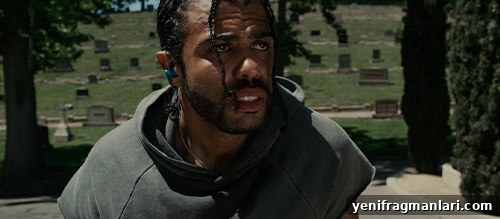
Written and starring Daveed Diggs and Rafael Casal, Blindspotting is set in rapidly gentrifying Oakland and follows the fallout after a man witnesses a police shooting. The film balances raw emotion, inventive language, and dark comedy to explore friendship, accountability, and the ways systemic inequality shapes daily life. It reframes the “buddy” story through a social lens and forces viewers to confront their assumptions.
8. Just Mercy (2019)

Based on Bryan Stevenson’s memoir, Just Mercy dramatizes the work of a young defense attorney who fights to overturn wrongful convictions. The film focuses on the case of Walter McMillian and highlights how race, poverty, and prejudice influence legal outcomes. With committed performances from Michael B. Jordan and Jamie Foxx, Just Mercy is a clear-eyed appeal for reform and empathy within the justice system.
9. I Am Not Your Negro (2016)
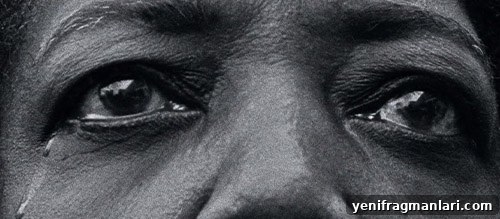
Director Raoul Peck’s documentary draws on James Baldwin’s unfinished manuscript Remember This House and features narration by Samuel L. Jackson. I Am Not Your Negro connects Baldwin’s reflections on civil rights leaders—including Medgar Evers, Malcolm X, and Martin Luther King Jr.—to broader patterns of racism in U.S. history. The film offers eloquent analysis and historical context that sharpen contemporary conversations about race and power.
10. 13th (2016)

Ava DuVernay’s documentary 13th examines the intersection of race, incarceration, and law in the United States, focusing on how mass incarceration disproportionately affects Black Americans. The film traces historical policies and political strategies that contributed to the prison population’s dramatic growth and invites viewers to see connections between past injustices and present systems.
These ten films represent a range of genres—documentary, drama, satire, and coming-of-age stories—that collectively illuminate how white privilege and institutional racism operate in everyday life and through legal, cultural, and economic structures. They are useful starting points for personal education, discussion groups, and classroom settings.
Additional films worth watching include Da 5 Bloods (2020), See You Yesterday (2019), American Son (2019), Fruitvale Station (2013), and American Promise (2013). If there are other films that helped you learn and reflect, please share your recommendations in the comments below.