
The New Mutants (2020)
Director: Josh Boone
Screenwriters: Josh Boone, Knate Lee
Starring: Maisie Williams, Anya Taylor-Joy, Charlie Heaton, Blu Hunt, Henry Zaga, Alice Braga
Originally scheduled for release in 2018, The New Mutants finally reached audiences in 2020 after a long and complicated delay. Based on the influential comics by Chris Claremont, Bob McLeod and Bill Sienkiewicz, the film promised a darker, horror-tinged take on teenage mutants learning to live with dangerous powers. After multiple postponements tied to the studio buyout and a global pandemic, the film’s arrival has invited the question: did it deliver on that promise? In short, it has strong moments and clear ambitions, even if it doesn’t always realize them fully.
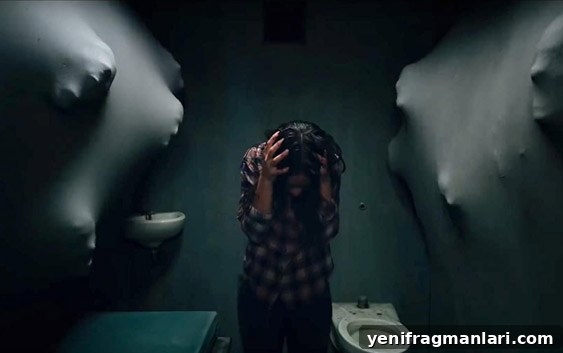
The story opens with Dani Moonstar (Blu Hunt) narrowly surviving the mysterious destruction of the Cheyenne reservation where she lives. She awakens in a secure facility designed to help young, potentially dangerous mutants gain control over their abilities. Dani’s arrival coincides with increasingly weird occurrences at the hospital: patients experience hallucinations and repressed fears that begin to manifest in reality, putting her and the other residents in mortal danger.
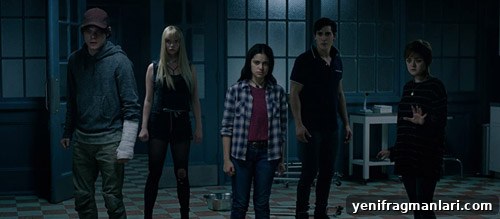
One of the film’s best qualities is its focus on character interaction. The first half plays like a blend of One Flew Over the Cuckoo’s Nest and The Breakfast Club, giving these teenage mutants space to be insecure, confrontational and awkwardly sincere in ways most previous X-Men films haven’t allowed. For long stretches the characters feel like real teens—flawed, defensive and struggling to understand themselves—which makes their connections convincing and often affecting.
Anya Taylor-Joy steals a great deal of attention as Illyana Rasputin, the group’s rebellious, sarcastic presence. She brings a mercurial mix of danger and charisma, playing the role of the film’s troublemaker with relish; her character even has a dragon hand puppet, Lockheed, and a magic sword that hints at comic-book mythos beyond the film’s immediate scope. Maisie Williams is the emotional center as Rahne Sinclair, a devout and vulnerable young woman who also battles lycanthropic tendencies. Charlie Heaton’s Sam Guthrie is an awkward, unpredictable force of nature, while Henry Zaga’s Berto da Costa is a privileged, combustible presence with star-like powers. Blu Hunt’s Dani remains the emotional mystery whose abilities slowly unfold, and Alice Braga’s Dr. Reyes serves as the facility’s restrained, authoritative guardian.
Where the movie struggles most is pacing and narrative clarity. The film often drifts into a dreamlike logic—appropriate given its themes of trauma and fear, but sometimes taxing for viewers seeking a tighter plot. Scenes alternate between quiet character beats and sudden jolts of horror, which can make the experience feel uneven. This stop-start rhythm prevents the story from fully building consistent momentum.
When the film commits to spectacle, however, it delivers. The climax features a vivid creature design and a finale staged with bold visual flair. Illyana’s powers in particular are tailored for movie-sized showmanship, and several sequences showcase compelling special effects and choreography. The horror elements never go full-tilt; rather, they hint at a more extreme version the film might once have been. Reports from production indicate some scarier ideas were scaled back, and that compromise is occasionally visible—there are moments when you can sense a creative hand held back from its fullest expression.
Production choices help: much of the film was filmed in an actual asylum, and that authenticity gives the setting a lived-in atmosphere that amplifies tension. Director Josh Boone and his cast create several memorable, quietly unsettling images, even if the movie rarely sustains them long enough to become truly iconic.
One of the most notable and welcome aspects of the film is its handling of relationships. The central queer teen romance is presented honestly and without sensationalism, a tender and understated thread that adds real heart. A particular scene in which Dani and Rahne share an intimate moment beneath a rain-pelted energy shield is striking in its visual clarity and emotional honesty.
Ultimately, The New Mutants is a mixed bag: it doesn’t fully succeed as horror nor does it feel like a definitive X-Men entry, but it offers genuine performances, credible chemistry among the young cast, and moments of imagination and compassion. It feels, in part, like an interesting creative effort constrained by outside forces—an imperfect but heartfelt attempt to expand the possibilities of superhero storytelling.
14/24