
Barry Lyndon (1975)
Director: Stanley Kubrick
Screenwriters: Stanley Kubrick
Starring: Ryan O’Neal, Michael Hordern, Marissa Berenson, Patrick Magee, Leon Vitali, Marie Kean
Stanley Kubrick’s Barry Lyndon stands among the director’s most visually ambitious and formally daring works. Released in 1975 and adapted from William Makepeace Thackeray’s novella “The Luck of Barry Lyndon,” the film represents Kubrick’s singular approach to the period drama: meticulously composed images, exacting pacing, and a tone that moves from wry comedy to profound tragedy. Though it was not universally embraced on first release, the film’s reputation has grown steadily, and it now appears frequently in discussions of the greatest cinematic achievements of the twentieth century.
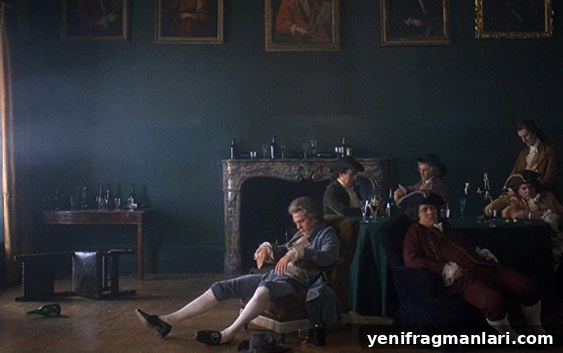
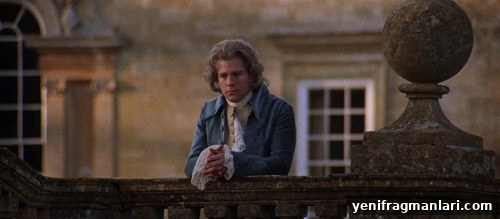
At the core of Barry Lyndon is its extraordinary visual language. Cinematographer John Alcott, a frequent Kubrick collaborator, crafted images that resemble paintings—each frame carefully lit, balanced, and framed. The film’s use of natural light and candlelit interiors created an atmosphere that many critics and cinephiles consider unmatched in period filmmaking. That approach earned Alcott both BAFTA and Academy recognition and helped ensure that the film’s visual lexicon remains a reference point for filmmakers studying classical composition, soft natural light, and long, stately camera moves.
Ryan O’Neal’s understated performance anchors the story. Kubrick allows narration—largely provided through Michael Hordern’s voice—to carry exposition and psychological context, while O’Neal’s physicality, facial nuance, and silent reactions communicate Barry’s ambitions, vulnerabilities, and shifting fortunes. Marisa Berenson brings a quiet, elegant complexity to Lady Lyndon, moving from affection to growing distance with subtle restraint. Marie Kean’s portrayal of Barry’s mother adds emotional warmth and depth early in the film, and Leon Vitali’s intense turn as Lord Bullingdon creates the moral counterpoint that fuels the story’s later conflict.
One of the film’s most impressive achievements is its sense of pacing. Clocking in at nearly three and a half hours, Barry Lyndon never feels indulgent or aimless; instead, Kubrick orchestrates each scene so that the narrative accumulates meaning. The film’s slow, deliberate rhythm lets moments breathe, allowing details of character and class to surface organically. Far from the parade of costume drama clichés, Kubrick’s film treats the eighteenth-century world with a forensic eye, revealing power, vanity, and chance through quiet gestures and carefully staged encounters.
The narrative itself is a study in social mobility and decline. Barry’s rise—from an aimless youth to a figure of apparent success—and his eventual fall are both surprising and inevitable, a moral arc Kubrick renders with cool irony and emotional precision. The film’s duel sequences, which bookend Barry’s journey, are particularly gripping: Kubrick builds tension through choreography, frame composition, and silence, turning confrontations into charged, almost ritualized events. These set pieces demonstrate Kubrick’s capacity to transform conventional plot beats into moments of profound cinematic intensity.
Critical reassessment over the decades has elevated Barry Lyndon. Contemporary critics and later retrospectives have praised its technical mastery and emotional restraint, noting how Kubrick’s aesthetic choices serve both story and mood. The film’s initial box-office performance—modest relative to expectations—has been overshadowed by its enduring influence on cinematography, production design, and the wider appreciation of period films as spaces for formal experimentation.
Ultimately, Barry Lyndon is a film that rewards patience and attention. Its artistry lies not only in sumptuous visuals and exacting performances but in the way those elements combine to tell a human story about ambition, luck, and the passage of time. For viewers interested in cinematic craft, historical drama, or Kubrick’s oeuvre, Barry Lyndon remains essential viewing: a work where every frame is composed with intention and every silence carries meaning.
22/24