
Relic (2020)
Director: Natalie Erika James
Screenwriters: Natalie Erika James, Christian White
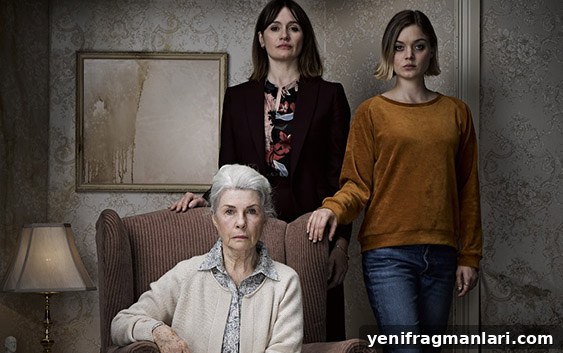
Starring: Emily Mortimer, Robyn Nevin, Bella Heathcote
Relic (2020) announces Natalie Erika James as a confident new voice in contemporary horror. The film blends psychological dread, precise visual design and intimate family drama to explore memory, grief and the slow erosion of identity. With strong performances from Emily Mortimer, Robyn Nevin and Bella Heathcote, Relic stands as one of the most impressive horror debuts of its era and a notable Australian addition to the genre alongside recent standout films.
“This house feels bigger than it used to.”
The film opens on a small but unsettling image: water cascading down carpeted wooden stairs in a weathered family home. That moment sets the tone — it’s atmospheric, quietly menacing, and committed to building unease rather than delivering cheap shocks. James and co-writer Christian White structure the first act so that tension accumulates through suggestion and sensory detail: a sudden bang, a garden light flicking on, the shadow edging along a doorway. The result is a slow-burn suspense that keeps viewers guessing whether the threat is supernatural, psychological, or a cruel combination of both.
At its core, Relic functions as an allegory for dementia and the dismantling of memory. The horror is often internal, asking the audience to engage with the terror that comes from losing one’s mind and watching a loved one fade. James’s direction emphasizes subjective experience — moments of disorientation, repetition and subtle changes to familiar spaces — so the house itself becomes a representation of a failing mind. This cerebral approach elevates the film beyond standard genre fare and gives it emotional weight.
The film’s focus on three generations of women gives it additional thematic depth. It’s a female-driven story in both its creative team and cast, and it examines the anxieties of caregiving, mortality and the inherited burdens passed through families. Comparisons to works like Jennifer Kent’s The Babadook are understandable: both films use horror to interrogate maternal pressures and grief. But James’s voice is distinct. She blends elements of domestic drama and body horror with a restrained visual style that makes the most ordinary moments feel ominous.
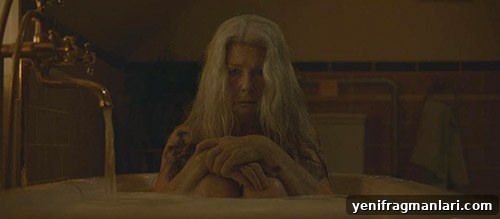
Performances anchor the film. Bella Heathcote portrays the younger family member who approaches the situation with skepticism that slowly gives way to alarm; her controlled reactions make her arc believable. Emily Mortimer, as the middle-generation daughter, carries a tangible weight of responsibility — her posture and expressions communicate exhaustion and quiet resolve. Robyn Nevin delivers the film’s most affecting work as the elderly matriarch Edna. Nevin’s performance moves between fragile intimacy and moments of genuinely unsettling behavior, providing both the emotional heart of the story and its most chilling turns.
Technically, Relic excels. The cinematography uses shadow and composition to amplify unease, framing the house as a character that both contains and distorts memory. Camera movements are deliberate and often expressionistic, enhancing the subjective quality of the narrative. Equally impressive is the sound design: creaks, thuds and a high, scratch-like string motif are deployed with precision, creating an almost tactile anxiety that lingers long after a scene ends. These elements work in concert to craft a sustained atmosphere of dread rather than relying on loud surprises.
Beyond the immediate scares, the film’s power lies in how it treats its subject matter with compassion. The depiction of cognitive decline avoids melodrama and sensationalism; instead, it asks viewers to sit with the discomfort and ambiguity of watching someone change. James gives the family space to react honestly — with frustration, tenderness and helplessness — and she resists tidy resolutions. That restraint makes the story feel more truthful and ultimately more haunting.
Relic is both a genre success and a thoughtful family drama. It delivers layered horror that operates on emotional and sensory levels, anchored by striking performances and meticulous craft. For audiences who appreciate horror that prioritizes atmosphere, character and thematic resonance, this film is essential viewing. Natalie Erika James has established herself as a filmmaker to watch, and Relic stands as a high-quality example of how modern horror can be imaginative, humane and deeply unsettling.
21/24