
Yes-People (2021)
Director: Gísli Darri Halldórsson
Screenwriter: Gísli Darri Halldórsson
Yes-People is a short animated film that finds warmth and wit in the ordinary rhythms of daily life. Nominated in the Animation Short Subject category at the 2021 Oscars, this compact piece by Icelandic filmmaker Gísli Darri Halldórsson stands out for its quietly observant tone and distinctive visual voice. In roughly eight minutes the film sketches a neighborhood’s small dramas and small consolations, inviting viewers to look closely at the habits, frustrations and tender habits that define communal living.
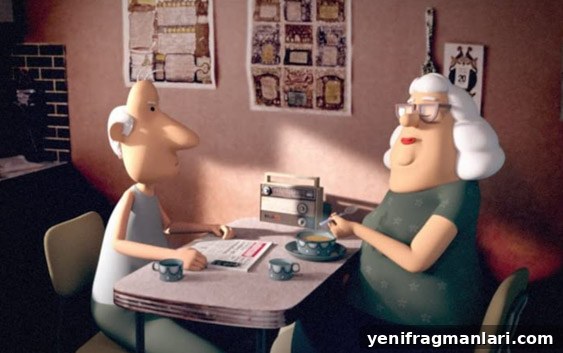
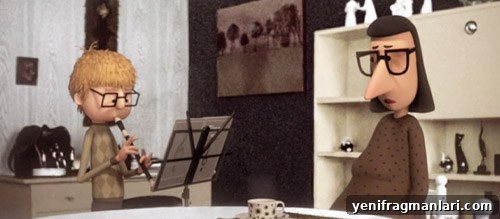
From its opening frames the short announces an aesthetic and temperament that feel unmistakably Icelandic: muted colors, snowed streets and a restrained emotional palette. The animation avoids glossy idealization. Instead of exaggerated beauty, the characters are rendered with honest physicality—a slouch, a rounded stomach, a weary neck—and that grounded design gives the film an immediate, relatable authenticity. Where mainstream animated fare often relies on expressive eyes and stylized perfection, Yes-People opts for subtle, humanized caricature that emphasizes personality over prettiness.
The film assembles an ensemble of residents who pass through ordinary rituals—waking a child, doing laundry, commuting, managing a relationship—each vignette delivered with minimal dialogue and maximum observational clarity. Even without much spoken text the characters become recognizable types: the grumpy neighbor, the exhausted parent, the quiet drinker, the couple whose routines have dulled into distance. Halldórsson’s writing and direction lean on gestures and timing, so that small moments—a hesitant knock, an awkward smile, the clatter of plates—speak volumes about interior life.
Structurally, Yes-People does not follow a conventional plot arc. It functions more like a day-in-the-life montage, moving from one apartment window to the next and gently mining the textures of cohabitation. This cyclical approach reinforces the film’s central observation: much of our shared existence is made up of minor irritations, fleeting satisfactions and the quiet ways we tolerate one another. Rather than offering a sweeping moral or dramatic revelation, the short cultivates an attentive mood. The result is sincerely empathetic rather than saccharine.
Tone is the film’s driving engine. Everything—the timing, the framing, the sound design—works to maintain a blend of deadpan humor and affectionate patience. There is no cruel judgment of the characters; instead, the film treats their flaws and foibles with gentle curiosity. That patience allows viewers to recognize themselves or someone they know in each figure, which is part of Yes-People’s power. Its small, human moments—an awkward apology, a neighborly nuisance, a tiny shared kindness—build into a portrait of ordinary life that feels both specific and universal.
The film’s economy is one of its strengths: in eight minutes it delivers a full, textured impression of a community. It won’t aim for the gut-punch emotional weight of some animated shorts that tackle grief or trauma, but it will lodge itself in your mind as a calming, oddly consoling study of everyday life. Its gentle humor and observational sensitivity make it an accessible entry point for viewers seeking animation that privileges character and atmosphere over spectacle.
As an example of contemporary Icelandic animation and short filmmaking, Yes-People is a reminder that limited running time can sharpen focus rather than constrain it. For audiences interested in animation shorts, independent film, or stories about shared urban life, this film is well worth seeking out. It is a brief, humane piece that rewards close looking and a willingness to find meaning in small gestures.
16/24
This short film is available to rent or purchase via Vimeo.