
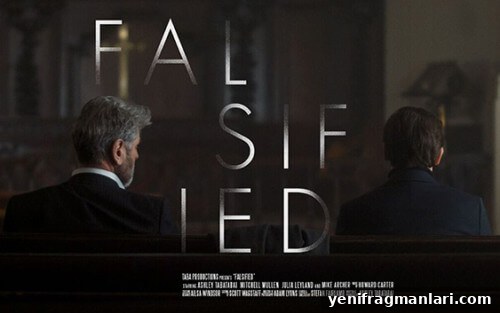
Falsified (2017)
Director: Stefan Fairlamb
Screenwriter: Ashley Tabatabai
Starring: Ashley Tabatabai, Mitchell Mullen
The short drama Falsified, inspired by the historical kidnappings of children in Spain from the 1930s through the 1980s, aims to deliver a poignant tribute to affected families but ultimately struggles to realize its full potential. Director Stefan Fairlamb and screenwriter/actor Ashley Tabatabai assemble strong visual elements and committed lead performances, yet the film’s tonal choices, editing and musical direction undermine its emotional clarity. This review examines the film’s strengths—cinematography, color grading and Mitchell Mullen’s voice work—alongside the aspects that dilute its impact.
At its center is an ageing man, Henry Mercer (Mitchell Mullen), whose long search for a lost child culminates in a fragile hope that is complicated by doubt. The screenplay threads an element of mystery about whether Javier (played by Ashley Tabatabai) is truly Henry’s son. Unfortunately, that mystery feels undermined rather than compelling: key narrative choices and an inconsistent focus make the question feel like background noise by the end, and the film’s intended tribute to real-life victims shifts toward melodrama.
Technically, Falsified is striking. The director of photography delivers carefully composed frames and a rich color palette that elevate nearly every scene. Both leads are photogenic and captured to flattering effect: the camera lingers on faces in a way that communicates history and regret. Mullen’s performance, particularly his voiceover work in the opening, is quietly powerful—he conveys weariness and longing with subtlety.
However, the film’s structure and editorial decisions often work against those assets. The opening voiceover from Henry sets a strong emotional tone, but the device is abandoned early on and never fully integrated back into the narrative. Abrupt shifts in protagonist focus—introducing Henry as the central figure only to transfer narrative weight to Javier in the final act—interrupt the story’s momentum and create an uneven viewing experience. Editing choices that mimic procedural crime dramas—fades to black between acts and an inconsistent use of voiceover—contribute to a sense of patchwork rather than a cohesive whole.
Performances are uneven, too. Mitchell Mullen’s portrayal stands out for its authenticity, while Ashley Tabatabai’s Javier at times feels less grounded, a contrast that highlights rather than complements the film’s emotional stakes. The screenplay compounds the problem by over-explaining through dialogue. Where silence or a lingering shot might better communicate history and pain, the script frequently opts for exposition, resulting in clichéd lines and delayed revelations that sap the story’s urgency.
The score is another major point of contention. Rather than underscoring scenes subtly, the music often calls attention to itself with a style that evokes 1990s police shows—cheesy motifs and overly insistent cues that clash with the visuals. The soundtrack’s insistence on signaling emotion can feel intrusive, overwhelming the quieter, more effective moments and disrupting tonal consistency.
All told, Falsified is a film of notable promise that never quite finds the right balance between form and content. Its visual design, color grading and lead actor’s voice performance are commendable and suggest that the filmmakers understood the story’s emotional core. Yet the screenplay’s heavy-handed exposition, inconsistent acting dynamics, puzzling protagonist shifts and obtrusive score prevent the short from becoming the focused, moving piece it could have been.
For viewers interested in short films that attempt to tackle historical injustices, Falsified is worth watching for its aesthetic strengths and the moments of genuine feeling—particularly Mitchell Mullen’s scenes. But those seeking a tight narrative and consistently resonant storytelling may find the film frustrating. It is not a failure, but rather a work that feels unsure of its identity: part tribute, part procedural mystery, part melodrama, and not always successfully any of them.
Score: 8/24
Recommended for you: More Short Film Coverage