
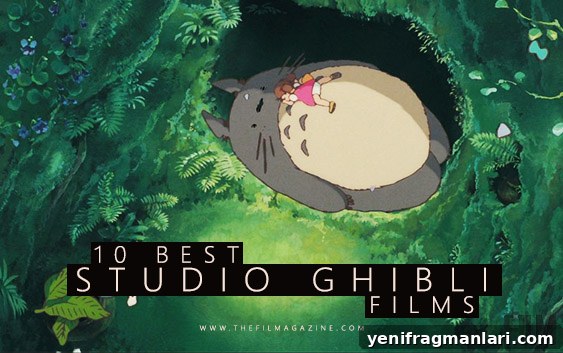
Studio Ghibli is the most recognised and celebrated producer of Japanese animated feature films worldwide. As the creative home of visionary directors Hayao Miyazaki and Isao Takahata, and many of their protégés, the studio has an astonishing legacy: several of its films rank among Japan’s highest-grossing anime titles and multiple features have earned Academy Award nominations, including Spirited Away, which won the Oscar for Best Animated Feature in 2002. Over more than three decades, Studio Ghibli has released 22 feature films, building a rich catalogue of imaginative, hand-drawn stories that continue to inspire audiences of all ages.
Which of these films stand out as the finest examples of Ghibli’s artistry? Which characters, scenes and themes linger long after the credits roll? Below is a considered selection of the studio’s most memorable works — ten essential films that showcase the range, heart and craftsmanship of Studio Ghibli.
10. My Neighbours the Yamadas (1992)
My Neighbours the Yamadas – Review
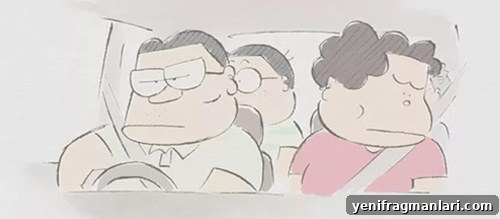
My Neighbours the Yamadas is a gentle series of vignette-like sketches that follow the quirky, often chaotic daily life of a middle-class family. Isao Takahata deliberately departed from Ghibli’s usual polished cel animation, opting instead for a loose, comic-strip style that challenged the studio’s production practices. The film was not a major box-office success at the time, but it has grown into a cult favourite for its warmth, humour and human insight.
The animation style is intentionally rougher and caricatured, yet the characters feel authentic and endearing. The modest domestic stories are compelling in their simplicity; Takahata also weaves several playful fantasy sequences and a lively musical number into the film’s rhythm, creating variety and charm throughout.
9. Arrietty (2010)
Arrietty – Review
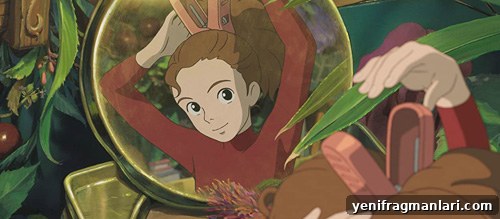
Arrietty adapts Mary Norton’s “The Borrowers” with Ghibli’s signature attention to movement and detail, but from a miniature perspective. The film follows a tiny family living beneath a house’s floorboards whose careful existence is disrupted when a new human family arrives. After a borrowing mission goes wrong, young Arrietty forms an unlikely friendship with a human boy, and that bond changes her family’s fate.
Hiromasa Yonebayashi’s direction turns ordinary household objects and garden spaces into grand landscapes and clever tools for the tiny protagonists. The emotional thread that ties Arrietty and human character Shô — including his frail health — can feel slightly contrived, but the film’s charming execution and inventive visual thinking secure its place among the studio’s best works.
8. My Neighbour Totoro (1988)
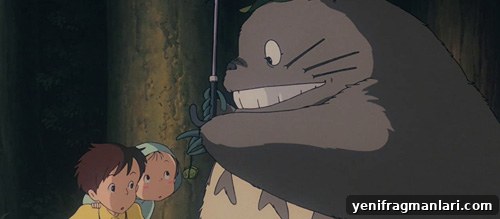
Two young sisters move to the countryside to be near their mother, who is recovering in hospital. Exploring their new home, they encounter a gentle forest guardian and a host of magical woodland creatures. My Neighbour Totoro is a joyful, whimsical celebration of childhood — an affectionate tribute to the small, transformative moments that animation can capture.
Miyazaki crafted a film that honours the escapist wonder of being a child while remaining sensitive to life’s real difficulties. Totoro’s enduring appeal lies in its simplicity: quiet wonder, playful imagination and the occasional, restorative respite from worry — like taking a ride on the famous Cat Bus.
7. Spirited Away (2001)
Spirited Away – Review
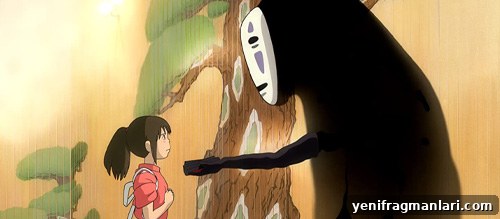
When Chihiro moves to a new home with her parents, she stumbles into a spirit bathhouse where her parents are turned into pigs. To save them she must work among the spirits, navigating a strange, dreamlike world. Spirited Away is a masterful coming-of-age tale full of imagination and unforgettable imagery. From the iconic train sequence with No-Face to the film’s rich blend of Japanese myth and surreal invention, it remains one of Ghibli’s most imaginative and emotionally resonant films.
The film’s dream logic, eccentric characters and emotional clarity combine to create a story that is both puzzling and profoundly moving, grounded by Chihiro’s growth and moral determination.
6. Only Yesterday (1991)
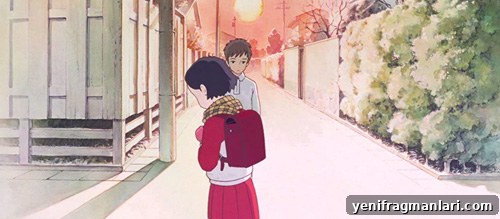
A woman in her late twenties returns to the countryside and reflects on her schooldays and the choices that shaped her life. Only Yesterday is a thoughtful, mature film about memory, regret and the passage of time. Takahata demonstrates that animation can convey nuanced, adult emotions with as much depth as any live-action drama.
The story alternates between present-day responsibility and youthful moments where small events felt monumental. Through a subtle, introspective approach — including a sequence in which the protagonist converses with a younger version of herself — the film explores how the past informs the present and how personal growth often involves reconciling those two selves.
5. The Wind Rises (2013)
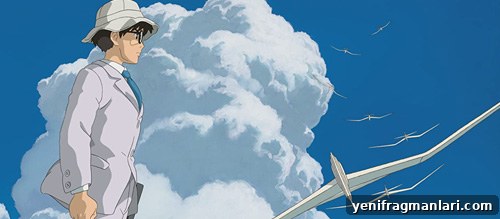
Miyazaki’s semi-biographical portrait of a gifted aircraft designer examines the moral tension of creating beautiful machines that can be used for war. The Wind Rises is one of Miyazaki’s most reflective and mature films, meditating on art, craftsmanship and the anxieties that arise when invention and warfare intersect.
The film reveres the poetry of flight while confronting the tragic consequences of technology misapplied. It’s an intimate artisan’s tale set against the sweeping backdrop of historical events, rendered with Miyazaki’s characteristic lyrical visuals and emotional depth.
4. Grave of the Fireflies (1988)
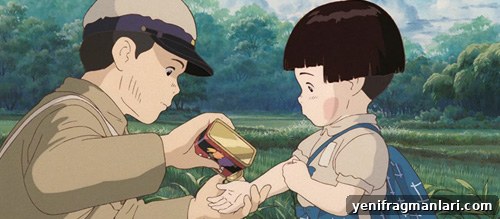
Set in wartime Japan, this devastating drama follows a brother and sister struggling to survive in the final days of World War II. Grave of the Fireflies is an unflinching portrayal of loss and suffering that gains additional poignancy through its animated medium: the depiction of childhood innocence under siege feels especially harrowing when rendered with such tender artistry.
Takahata’s film is spare, uncompromising and deeply humane. The characters Seita and Setsuko remain among animation’s most affecting representations of vulnerability and sibling devotion, making the film unforgettable and emotionally shattering.
3. Princess Mononoke (1997)
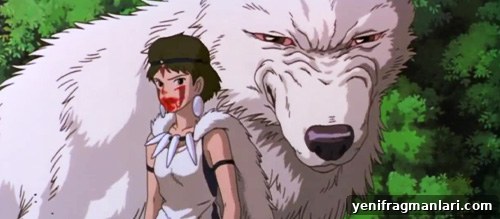
This epic fantasy depicts the conflict between industrialising humans and the spirits and creatures of the forest. A cursed youth and a fierce warrior princess stand at the centre of a sprawling struggle over land, resources and the spiritual balance of nature. Princess Mononoke is a richly textured environmental epic that blends action, philosophy and stunning natural imagery.
Miyazaki presents moral complexity rather than a simple good-vs-evil dichotomy: both people and spirits have reasons for their actions, and the film asks whether a lasting peace can be achieved without understanding and compromise. Powerful action sequences and beautiful, atmospheric frames make this one of Ghibli’s most ambitious works.
2. The Tale of the Princess Kaguya (2013)
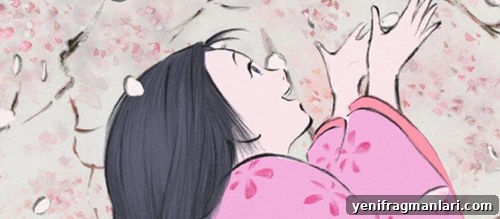
Takahata’s impressionistic retelling of the 10th-century folktale “The Tale of the Bamboo Cutter” follows a girl found growing inside a bamboo shoot who is raised as a princess. As she is elevated into courtly life, her longing for a simpler existence grows, and celestial forces ultimately call her back to the heavens.
The film’s hand-drawn, sketch-like visuals and Joe Hisaishi’s understated score create an ethereal, almost spiritual atmosphere. Takahata’s patient, elegiac direction culminates in a final sequence of heartbreaking beauty that stands among the studio’s most transcendent moments.
1. Howl’s Moving Castle (2004)
Howl’s Moving Castle – Review
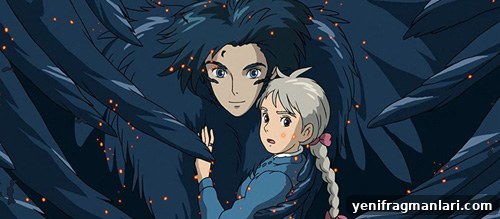
A young hat maker is cursed with premature old age and finds refuge as the housekeeper for an enigmatic wizard who travels in a walking castle. Together with the wizard’s unconventional household, she becomes involved in a grand tale that weaves magic, romance and anti-war themes into a sweeping adventure. Howl’s Moving Castle earns the top spot for its bold narrative scope, emotional richness and the way it balances whimsy with serious ideas.
Miyazaki blends operatic visuals, inventive magical transformations and potent anti-war commentary to create a story that is both intimate and epic. The moving castle itself — a mechanical marvel packed with eccentric life — becomes a living symbol of refuge, conflict and the transformative power of love and courage.
Do you agree with this selection of Studio Ghibli’s finest films, or would you arrange them differently? Whether you favour Miyazaki’s soaring fantasies or Takahata’s quieter human dramas, the studio’s catalogue offers a remarkable variety of tone, style and storytelling that rewards repeated viewing. Share your favourites and impressions where you discuss films and keep exploring the many wonders Ghibli has to offer.