
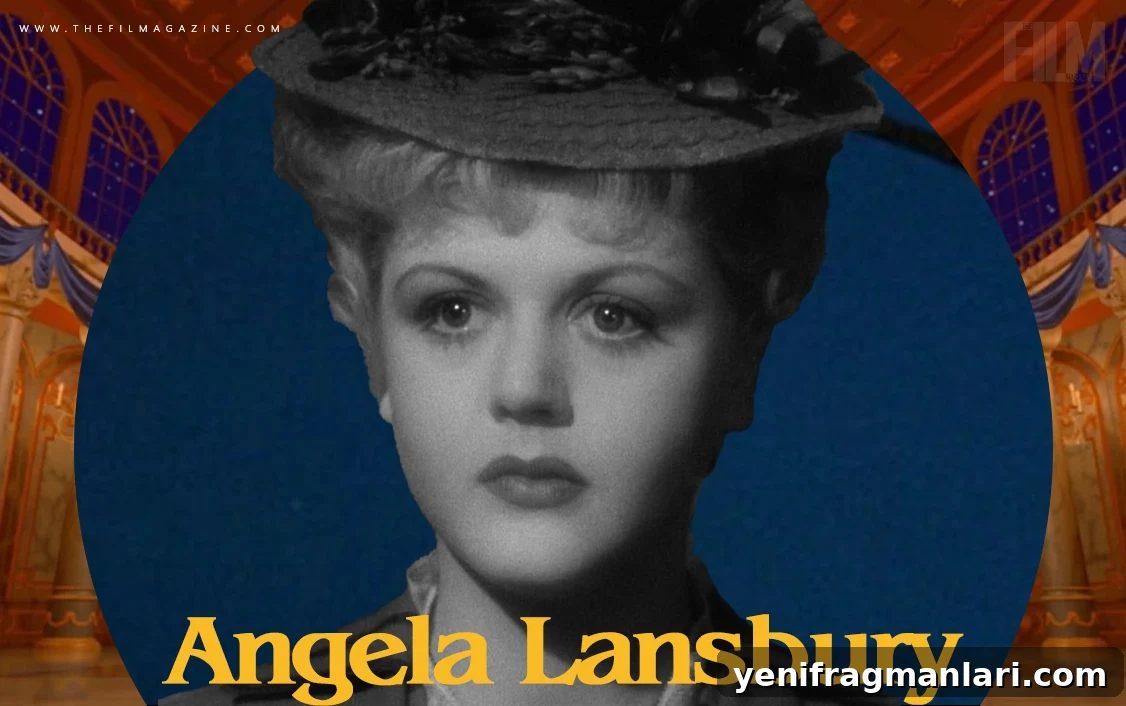
Angela Lansbury (1925–2022) built a remarkable career that spanned stage, film and television across eight decades. She became one of the rare performers to leave a lasting impression on Broadway, Hollywood and the small screen alike. Over her life she accumulated recognition across the major awards: multiple Academy Award nominations, numerous Tony wins, Golden Globes, many Emmy nominations and a Grammy nod—testimony to her extraordinary range and enduring influence as an actress.
Raised in an Irish-British theatrical family—her mother Moyna McGill was a regular on the West End—Lansbury credited books, film and television as important tools of self-education. That early curiosity and exposure to performance pushed her toward acting; she first appeared onstage in a school production of Maxwell Anderson’s Mary of Scotland and later trained at the Feagin School of Drama and Radio.
Her screen career took off in the mid-1940s. In 1944 she earned wide praise and an Academy Award nomination for her supporting role in Gaslight, and from that point she alternated between dramatic and comic parts with equal skill. Whether playing a sympathetic ingenue, a witty mother figure or a commanding stage presence, Lansbury’s performances consistently drew attention for their nuance, timing and emotional clarity.
This article highlights three performances that exemplify her career-defining work: early dramatic promise, a move into mature, comedic roles, and a later iconic turn that introduced her to new generations. These selections illustrate the versatility and longevity of an artist who could inhabit a vast array of characters with warmth, wit and authority.
1. The Picture of Dorian Gray (1945)
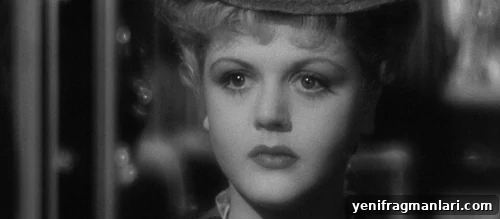
In Albert Lewin’s film adaptation of Oscar Wilde’s The Picture of Dorian Gray, Lansbury gives one of her earliest screen-defining performances as Sibyl Vane, the tragic young actress who falls for Dorian Gray. Though only eighteen at the time, her presence is confident and emotionally precise. Small gestures—a thoughtful gaze after Dorian finishes playing piano, the quiet intensity in her brief exchanges—convey more than the sparse dialogue, making her scenes memorable.
The film combines black-and-white cinematography with selective Technicolor to underscore the portrait’s corruption, and Lansbury’s vocal training is showcased when she sings “Goodbye Little Yellow Bird,” a moment that highlights both innocence and emotional depth. Her work in this picture earned her the Golden Globe for Best Supporting Actress and an Academy Award nomination, cementing her status as a major emerging talent.
2. The Reluctant Debutante (1958)
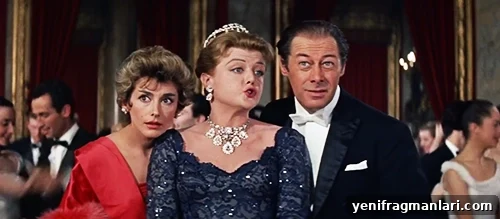
Directed by Vincente Minnelli, The Reluctant Debutante allowed Lansbury to display her impeccable comic instincts. Playing Mabel Claremont, the chatty and scheming friend of the Broadbent family, she delivers lines with an effortless charm and precise timing that make her scenes both hilarious and revealing. One standout sequence shows her domineering but playful energy as she orchestrates a cramped car ride—small physical choices infuse the comedy with vivid character detail.
This film marked an important transition in Lansbury’s screen persona: she began to move beyond ingenue roles and into parts that showcased maturity, wit and maternal authority. That shift continued in supporting roles such as the mother in Blue Hawaii (1961), where she balanced humor and grounded presence while adopting regional accents and comic beats with ease.
3. Beauty and the Beast (1991)
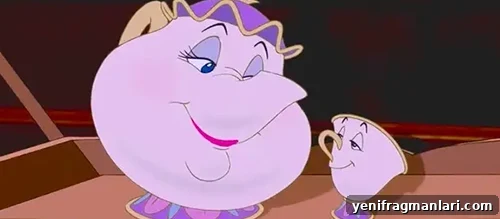
Lansbury’s turn as Mrs. Potts in Disney’s Beauty and the Beast introduced her to a vast new generation and remains one of her most beloved roles. Bringing maternal warmth, gentle humor and a comforting vocal presence, she imbues the teapot character with humanity and heart. Her vocal performance on “Tale as Old as Time” is especially famous: reportedly recorded in a single take, it showcases her natural musicality and restraint, turning a simple ballad into an enduring moment of cinema.
Beauty and the Beast was a landmark animated feature—celebrated for its music, animation and emotional resonance—and Lansbury’s Mrs. Potts played a central role in that success. The part further solidified a later-career pattern of grandmotherly, nurturing characters that combined levity with sincere emotional grounding, seen also in roles like the Dowager Empress in Anastasia (1997) and the kind but firm Eglantine Price in Bedknobs and Broomsticks (1971).
Across 122 credited roles, Angela Lansbury demonstrated a remarkable ability to evolve with the times, shifting from ingénue to matron to beloved elder figure while maintaining a distinctive voice and magnetic stage and screen presence. These three performances—early dramatic promise in The Picture of Dorian Gray, comic polish in The Reluctant Debutante, and timeless warmth in Beauty and the Beast—capture the range that made her career so enduring.
Written by Alannah Purslow
Support the author: X (Twitter): @_alannahjade_ | LinkedIn: Alannah Purslow