
“It’s a pretty dark reflection of some of the more shadowy aspects of my interior life.”
A festival standout last year, Black Bear earned praise for its claustrophobic relationship drama and a powerhouse performance from Aubrey Plaza. As the film approaches its digital release in the UK, writer-director Lawrence Michael Levine discusses the personal inspirations behind the story, the chaotic energy of making movies on a small scale, and how he crafts characters the audience can relate to.
Warning: Spoilers Ahead!
Hi Lawrence. Thank you for speaking with The Film Magazine, and congratulations on Black Bear. What drew you to this concept?
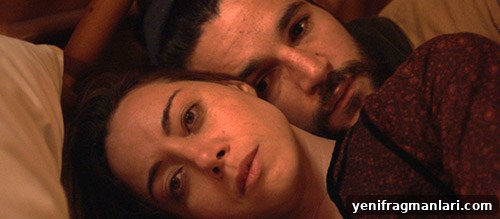
After about two decades of making films and five years working as a professional screenwriter, I found myself reassessing my life and work. I was thinking about the sacrifices of being an artist, the tensions in relationships and whether I had made the right choices. Black Bear grew from those reflections — from a desire to turn difficult, messy interior experiences into something cathartic and, hopefully, meaningful for other people.
Were there particular influences while writing and directing Black Bear?
Many, although they’re often more instinctive than deliberate. My wife, filmmaker Sophia Takal, has been a huge influence — we collaborate frequently and our conversations about balancing partnership and creative careers informed the film. I also returned to the kinds of filmmakers who inspired me initially: John Cassavetes and Ingmar Bergman. Their work is in my bones; I wasn’t trying to imitate them, but their sensibilities naturally surface in what I write and direct.
This feels like a very personal film. Is Black Bear a reflection of you?
Yes — it’s a fairly dark reflection of some of my shadowier interior moments. I wanted to examine those parts of myself and make something constructive from them. Writing the film was unexpectedly therapeutic; the process allowed me to move forward in my life, and I hope the protagonist, Alison, experiences a similar release by the end of the story.
You wrote Always Shine and worked on that with Sophia. Both films share themes of loneliness. What draws you to isolated, enigmatic characters?
I think I identify with that feeling. In Always Shine I drew a lot from my own insecurities — wanting validation, striving for perfection while feeling out of step with the world. In Black Bear the identification is broader: different characters represent different facets of my interior life. Writing them was a way to explore those parts with honesty.
Black Bear features actors playing multiple roles. How did you approach writing and directing dual characters?
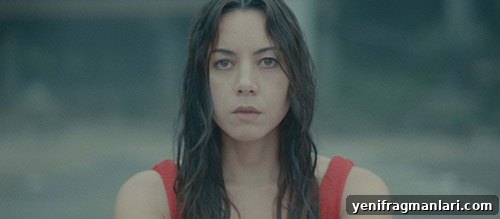
When the characters come from me, writing is an exploration of different voices inside myself. I sketched their outlines, then allowed room for discovery. A lot of dialogue didn’t end up in the final cut but helped me hear each voice. By the time we shot, I often read the script anew like a director, breaking down intentions line by line. I keep those notes to myself unless an actor needs guidance; I prefer to let them find the character without over-directing.
“I try to write dialogue like life — some people think it’s improvisation but it’s not, it’s scripted.”
The Adirondack setting is striking: beautiful yet foreboding. Why choose that location?
It began pragmatically. A friend showed me photos of his family’s lakeside camp, and I thought it would be the right scale for a film I could actually finance and make. When that camp became unavailable, I scouted others until I found a remote property with the three structures and lake views the story needed. Its isolation and quiet made it an ideal backdrop — both idyllic and ominous, which fit the film’s tone.
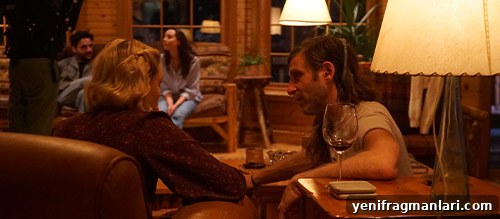
Was the shoot spontaneous and experimental?
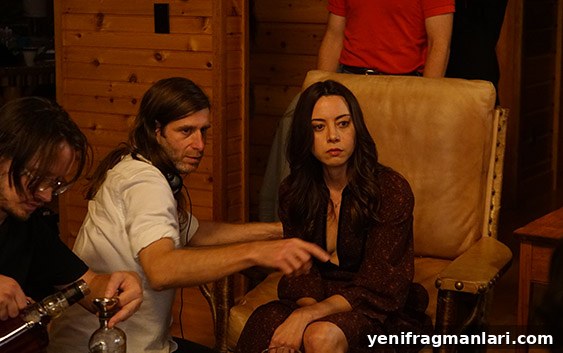
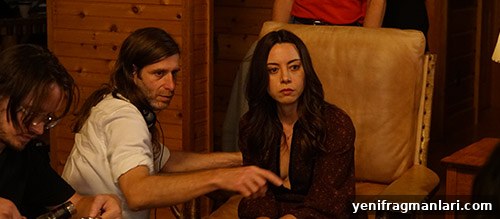
I tried to stay open to ideas from the cast and crew. Most of the film was scripted, but actors contributed moments that felt truthful. Aubrey suggested holding for room tone after a big breakdown to let the tension linger and to pan through the crew — that choice made the scene more charged. Chris adopted some of my mannerisms for the director role in Part 2, which I hadn’t anticipated. While the structure was scripted, collaboration and small surprises enriched the final film.
How did you find making a film about filmmaking?
Shooting Part 2 was energizing because it allowed a looser, documentary-style approach. Handheld camera work speeds things up and gives actors more freedom, which I enjoy as a director who can be impatient on set. Part 1, by contrast, required more precision and containment, which was more stressful. Overall, I liked the experience of playing with form and revealing the filmmaking process on screen.
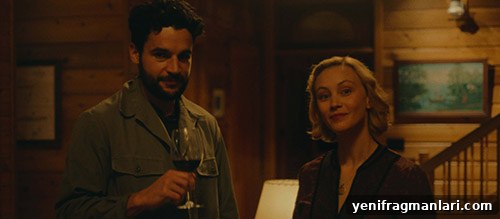
Was the atmosphere on set as intense as the film?
Internally it was intense for me — I was in my own head a lot. I tried to shield the cast and crew from that. Whether I always succeeded is another question, but I did my best to keep things professional while navigating my own emotional landscape.
Will you continue working on small films?
Small, personal films will always be a part of what I do, but I’m curious about larger projects too. Black Bear was the biggest project I’d made so far and still felt micro-budget. I’m writing something larger now and want to see how having more time and resources changes the process. I don’t know if I’ll always prefer big or small; I’m interested in both and want to keep exploring.
Black Bear releases on digital platforms in the UK on 23rd April.
This interview has been edited for clarity.
Written by Jacob Heayes
You can follow Jacob Heayes on Twitter: @heyimjay_cob