
Annette (2021)
Director: Leos Carax
Screenwriters: Ron Mael, Russell Mael, Leos Carax
Starring: Adam Driver, Marion Cotillard, Simon Helberg
Annette (2021) is an audacious musical from director Leos Carax, with a score and songs by the idiosyncratic pop duo Sparks (Ron and Russell Mael). The film blends Carax’s surreal, visually daring filmmaking with Sparks’ sharp, theatrical songwriting, producing a cinematic experience that is both challenging and unexpectedly moving. For viewers expecting a conventional movie musical, Annette defies expectations; for those who follow Carax or Sparks, it amplifies the eccentricities that made them notable.
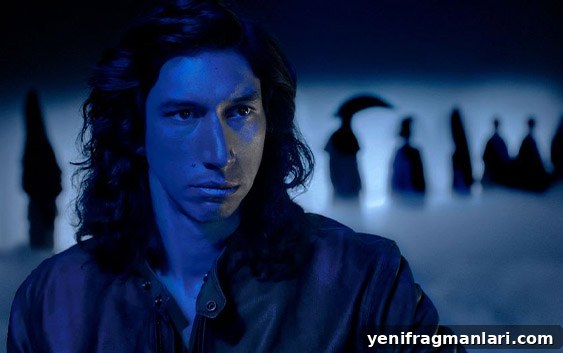
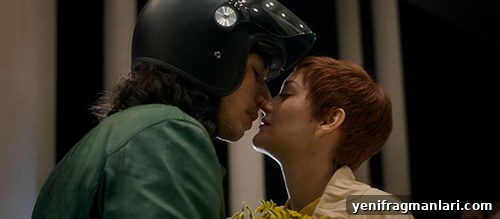
The film centers on two contrasting performers: Ann, played by Marion Cotillard, an elegant and introspective opera singer, and Henry, played by Adam Driver, a brash, vulgar stand-up comedian. Carax introduces these characters through stage performances that are intercut to emphasize their differences—Ann’s quiet, refined presence compared to Henry’s loud and abrasive persona. Small visual motifs underscore the divide: Ann eats apples, Henry smokes; Ann keeps herself fit, Henry indulges. These details help shape a relationship that quickly becomes combustible as fame and personality collide.
At its core, Annette explores celebrity, exploitation, and the dark appetite of audiences for spectacle. The narrative—part tragedy, part fable—borrows thematic cues from Edgar Allan Poe’s “The Tell-Tale Heart,” but Carax resists straightforward storytelling. He often omits connective tissue between events, preferring elliptical leaps that demand the viewer’s interpretation. This approach can feel disorienting, yet it also reinforces the film’s thematic concerns: how public personas are assembled and how quickly private suffering can be compressed into public entertainment.
Adam Driver’s Henry is deliberately unappealing: cruel, attention-seeking, and morally compromised. But Carax positions him as the film’s focal point, forcing the audience to confront the fact that the most visible person in a partnership is not always the most deserving of attention. Marion Cotillard’s Ann, by contrast, is gentler and more talented, yet she occupies a secondary role in the public eye. This inversion becomes a commentary on gender and fame—how men often dominate the spotlight even when their talent or humanity is inferior to that of their partners.
The story intensifies as Henry’s behavior grows more destructive, with the media and onlookers lured by scandal and degradation. Carax uses this escalation to critique a culture that privileges spectacle over decency, where audiences are complicit in elevating self-destructive figures. The film’s interest is not simply in moralizing, but in examining the mechanisms of celebrity: how charisma, cruelty, and market forces combine to create modern mythologies around public figures.
Simon Helberg’s character, The Accompanist, adds another perspective. His evolution—from accompanist to conductor—mostly unfolds in Henry’s shadow, a reminder that supporting talents and private affections are often sidelined by the glare of a self-destructive star. Helberg’s subdued portrayal highlights the film’s larger point: emotional depth and devotion often go unnoticed while spectacle consumes attention.
Musically, Annette is rich and unusual. Sparks’ score and songs provide emotional beats that range from darkly comic to heartbreakingly earnest. The music does not aim for pop-musical accessibility; instead, it amplifies the film’s theatrical, operatic mood. For viewers who expect the broad, crowd-pleasing rhythms of mainstream musicals, the score’s oddities and intensity may be surprising—but they are integral to the film’s identity.
Leos Carax’s direction makes bold visual choices: stage-like sets, choreographed chaos, and cinematic flourishes that blur reality and performance. This formal daring can polarize viewers—some will find it revelatory, others alienating—but it is precisely the film’s risk-taking that gives it power. Annette refuses to conform to formula, offering instead a provocative meditation on fame, gender, and the ethics of entertainment.
As a collaboration between Carax and Sparks, Annette is both a provocation and a work of devotion to the musical form reinvented for contemporary anxieties. It is not an easy film, but it is memorable: visually inventive, musically ambitious, and thematically sharp. Approached on its own terms, it stands out as one of the most daring and unusual musicals of recent years.
Rating: 20/24