
The Power of the Dog (2021)
Director: Jane Campion
Screenwriter: Jane Campion
Starring: Benedict Cumberbatch, Jesse Plemons, Kirsten Dunst, Kodi Smit-McPhee
What lies beneath the rough exterior of men? Is traditional masculinity simply another form of power? Jane Campion examines these questions by taking us into a particular moment of American history—the vast, often unforgiving Montana of 1925—where the frontier still shapes identities and relationships. Based on Thomas Savage’s novel, The Power of the Dog unfolds on a cattle ranch where old rhythms of dominance and restraint govern daily life.
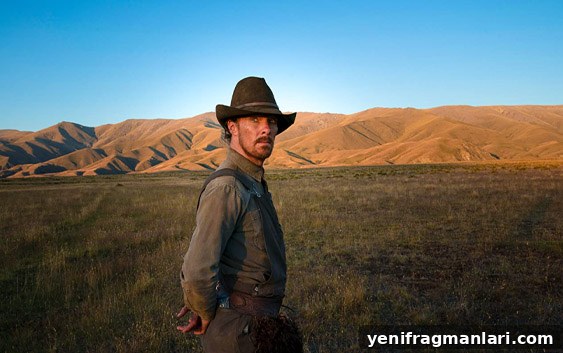
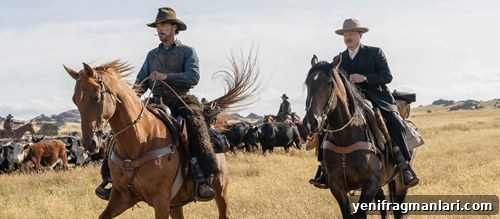
Benedict Cumberbatch and Jesse Plemons play brothers Phil and George Burbank, co-owners of a successful ranch. Together they maintain the business and share a long-standing private intimacy that, on the surface, appears functional and even practical: Phil handles the harsher aspects of ranch work while George manages the household and business affairs. But these surface arrangements mask deep emotional differences. Phil is brittle, rigid, and obsessed with a harsh code of masculinity. George, kinder and rounder both in temperament and appearance, quietly longs for a life that allows tenderness and connection beyond the brutal expectations of their world.
That fragile balance shifts when George marries Rose, a widowed owner of a small restaurant and boarding house, played by Kirsten Dunst. Rose has endured trauma—her late husband’s suicide—and she recognizes something gentle in George she has not known since. Their marriage exposes the emotional void in George’s relationship with Phil. George admits to Rose that for the first time in a long while he no longer feels alone, a confession that highlights how empty his closeness with Phil has become.
Phil reacts to Rose with derision and passive hostility: delicate barbs, a mocking banjo, and an unwelcoming presence that unsettles the household. But it is Rose’s son Peter, portrayed by Kodi Smit-McPhee, who ignites Phil’s deepest contempt. Peter is physically slight and refined—a young man who makes paper flowers and speaks with an educated calm—and dreams of becoming a surgeon. His softness and intellect stand at odds with the cattle-ranch culture Phil reveres. Phil mocks Peter with cruel nicknames and constant provocation, pushing Rose toward despair. His behavior is so vindictive that the film compels us to ask: what fuels this hatred? What past wounds or vulnerabilities animate Phil’s cruelty?
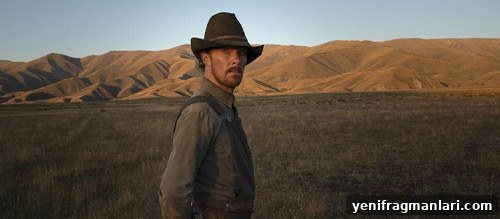
Campion structures the film as a slow-burning study of power, humiliation, and subtle transformation. She lingers on the sensual textures of ranch life—rope work, animal care, the tactile details of everyday labor—inviting the viewer to inhabit a world that feels both specific and timeless. Within this sustained observation, Campion traces a shifting power dynamic between Phil and Peter. At first glance they seem like opposites: Phil the tyrant, Peter the effete outsider. Yet Campion complicates this dichotomy by allowing glimpses of vulnerability and hardness in both men. Phil’s recollections of Bronco Henry reveal a wounded tenderness beneath his cruelty, while Peter’s quiet exterior conceals an unflinching capacity for violence, as when he coldly kills a rabbit.
The film plays frequently with role reversal: moments of unexpected empathy sit beside acts of calculated domination. Campion’s patient direction teases out how these men mirror each other in essential ways despite their different performances of masculinity. They both respond to shame, fear, and longing, and the ranch landscape becomes a mirror for the inner lives they try to hide.
Cumberbatch anchors Campion’s drama with a performance that channels simmering menace and brittle charisma. He keeps the narrative taut with a persistent sense of unpredictability, even as his accent and some mannerisms occasionally feel emphatic. Kirsten Dunst offers a moving portrayal of Rose’s fragility and anxiety; her descent into isolation and alcoholism is rendered with precision though her role has limited narrative scope beyond her suffering. Jesse Plemons provides the quiet, stabilizing presence of George, yet his part fades somewhat as the film shifts emphasis to the polarized relationship between Phil and Peter. Kodi Smit-McPhee, meanwhile, delivers a layered turn as Peter—appearing gentle and cultivated while revealing a surprising edge when provoked.
Visually and sonically, the film is immersive. Ari Wegner’s cinematography captures the wide, lonely terrain and close domestic interiors with equal intensity, while Jonny Greenwood’s score underscores the film’s eerie, unresolved emotional tone. Campion’s use of symbolism and sensual detail—dust on hands, the creak of leather, the sting of insults—heightens the sense that small acts and gestures carry lasting consequences.
Ultimately, The Power of the Dog is less a conventional western than a psychological portrait of men shaped by an environment that rewards stoicism and punishes vulnerability. Campion dissects how power is performed, how cruelty can mask grief, and how those crushed by cultural expectations can find unexpected, sometimes devastating ways to respond. The film refuses easy answers, instead offering a slow, exacting look at how people hurt one another in the struggle to belong to a narrowly defined idea of strength.
18/24