
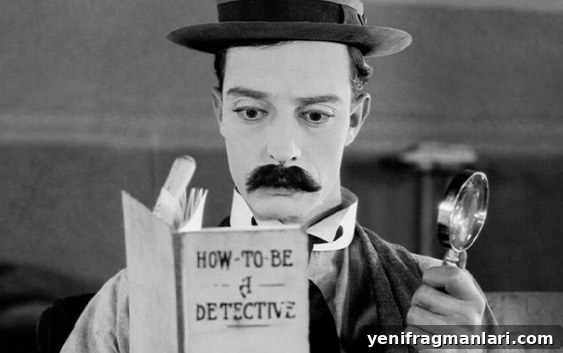
As production on Indiana Jones 5 wraps, director James Mangold is already preparing his next project: a feature biopic chronicling the life and career of silent-era star Buster Keaton, according to industry reports.
Mangold will both direct and produce the film, which is being adapted from Marion Meade’s biography Buster Keaton: Cut to the Chase. The project is in development at 20th Century Studios, the studio that evolved from 20th Century Fox and now operates as a subsidiary of Disney.
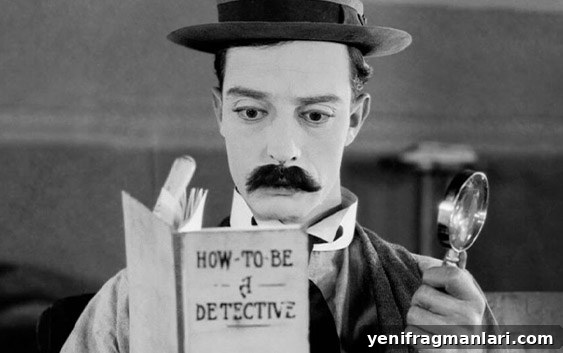
Buster Keaton remains one of cinema’s most inventive and influential comedians. Celebrated for his daring physical comedy, intricate sight gags, and groundbreaking stunt work, Keaton helped define visual storytelling during the silent era. Films such as Sherlock Jr. (1924) and The General (1926) are widely regarded as masterpieces that continue to inspire filmmakers and performers more than a century after their release.
James Mangold’s reputation for directing intense, character-driven films and biographies makes him a natural fit for this material. He earned widespread acclaim for the Johnny Cash biopic Walk the Line, which showcased Joaquin Phoenix in an award-winning performance. Mangold also remains attached to another music-focused biopic, Going Electric, the Searchlight project that will depict a pivotal moment in Bob Dylan’s career when he famously transitioned from acoustic to electric performance; that film is set to star Timothée Chalamet.
Beyond biographical films, Mangold has demonstrated versatility across genres. He successfully brought comic-book action to life in The Wolverine and delivered a critically acclaimed, elegiac conclusion to Hugh Jackman’s run as Wolverine with Logan. He followed those achievements with the racing drama Ford v Ferrari, a meticulous and emotionally grounded film that reunited him with top-tier acting talent and showcased his skill at combining character drama with high-stakes spectacle.
The proposed Keaton biopic offers Mangold an opportunity to explore both the physical artistry of early cinema and the personal struggles behind a public persona known for stoic expression and fearless performance. Keaton’s life included professional triumphs, periods of hardship, and remarkable creative ingenuity—elements that naturally lend themselves to cinematic dramatization. A Mangold-directed Keaton film could highlight the technical challenges Keaton overcame, his collaborations with other silent-era talents, and the enduring legacy of his visual humor.
At this stage the project is in early development, so no release date has been announced. Industry observers expect key creative and casting announcements—such as the screenwriter, principal cast, and production timeline—to follow once Mangold and the studio finalize initial development details. Given Mangold’s ability to attract high-profile actors and to translate complex real-life stories into compelling drama, interest in the project is likely to be strong.
Fans of classic cinema and biographical drama will be watching closely as the Keaton project develops. A careful, well-researched adaptation of Meade’s book could introduce new audiences to Keaton’s work while offering film lovers a richly textured portrait of the man whose silent-era innovations helped shape the language of movies as we know them today.