
Tarot (2024)
Director: Spenser Cohen, Anna Halberg
Screenwriters: Spenser Cohen, Anna Halberg
Starring: Harriet Slater, Adain Bradley, Avantika, Wolfgang Novogratz, Jacob Batalon, Humberly González, Larsen Thompson, Olwen Fouéré
Thirteen Ghosts, the 2001 remake of William Castle’s 1960 film, had an appealing premise: lock people in a vast house filled with inventive, menacing spirits, dressed in imaginative costumes and prosthetics, and turn the entire structure into an occult version of a puzzle-like labyrinth. That film displayed flair and mystery, and viewers have long been curious about deeper explorations of ghostly lore inspired by it.
Despite similarly assembling a roster of supernatural antagonists who pursue and kill characters one by one, Tarot fails to ignite the same appetite for more.
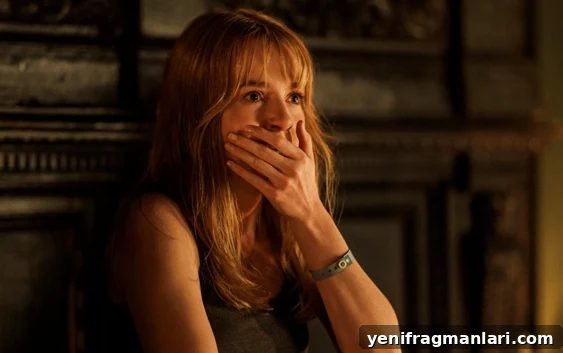
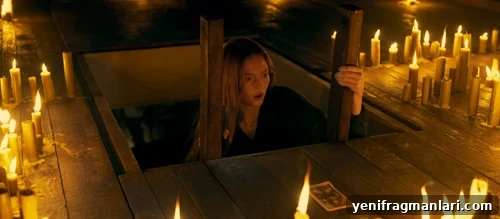
Adapted from Nicholas Adams’ 1990s horror novel “Horrorscope,” this film gathers a group of reckless teenagers at an isolated mansion—an implausibly rentable estate that, in the story, lacks caretakers or anyone to prepare it for guests. The plot follows the familiar setup: the teens explore a creepy basement, find a sinister deck of Tarot cards, and begin to read fortunes that blend Tarot symbolism with astrological cues. Each card summons a figure that enacts the foretold fate, hunting victims in ways tied to their readings. As the body count rises, the remaining characters scramble to end the curses before they too are taken.
Where the film could have leaned into inventive genre-mixing, fresh directorial choices, or chilling atmosphere, it instead settles for formula and sloppiness. Many scenes are cheaply lit and poorly staged, the dialogue is often stilted, and character development is minimal. A number of the supernatural entities barely get to demonstrate anything memorable; some threats register for only a few brief moments on screen. The backstory offered for the house and the cards is simplistic, the sort of concept a student might sketch in a short creative exercise. Frequently, the film dispatches characters off-screen or between scenes, minimizing suspense and emotional impact in favor of a quick runtime.
It’s not that the film lacks influences—on the contrary, it borrows widely from a range of familiar horror traditions. Elements of object-driven hauntings, the lure of a spirit promising temporary gain before delivering ruin, and other classic motifs all appear, but they’re stitched together without fresh insight. Where superior recent entries in the genre managed to combine game-like mechanics and occult dread with craft and originality, Tarot defaults to cinematic shortcuts that dilute tension rather than build it.
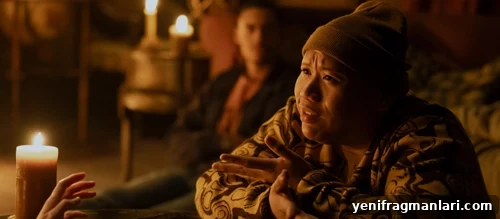
Casting delivers mixed results. Jacob Batalon’s comic timing offers the film’s most consistently entertaining moments; his lightness provides small relief from otherwise clumsy exchanges. Unfortunately, that humor points out missed opportunities. Had the filmmakers embraced a darker, self-aware comedic tone—leaning into satire of teen horror tropes—the story might have found a sharper voice and greater audience appeal. As it stands, the film neither fully commits to camp nor achieves authentic scares.
Technical shortcomings compound narrative weaknesses. Lighting choices often obscure rather than reveal, editing rushes through potentially effective beats, and jump scares are predictable and unimaginative. With a runtime of roughly ninety minutes, the movie feels hurried: plot threads are sketched but not explored, and the emotional consequences of many events are underdeveloped. Even capable performers, including Olwen Fouéré, are given limited material to work with, which makes their presence feel wasted when they could have anchored more compelling sequences.
On theme, the film flirts with classic warnings about bargains with dark forces—how small gains can precede catastrophic loss—but it never mines that idea deeply. Instead of letting dread accumulate slowly or experimenting with the Tarot as a structural device, the screenplay relies on predictable beats that veteran horror viewers will see coming. The potential interplay between character-based tragedy and archetypal Tarot imagery remains largely unexplored.
Despite these flaws, Tarot offers brief moments of entertainment when it allows its cast to riff and when it acknowledges its own conventions with a wink. Those instances suggest the film might have succeeded if it had chosen to be bolder—either by heightening the horror elements with more atmospheric direction or by fully embracing a black-comedy approach that skewers the genre. Instead, it settles for safe choices that yield neither meaningful chills nor satisfying satire.
Score: 4/24
Rating: 0.5 out of 5.