CODA (2021)
Director: Sian Heder
Screenwriter: Sian Heder
Starring: Emilia Jones, Troy Kotsur, Daniel Durant, Marlee Matlin, Eugenio Derbez, Ferdia Walsh-Peelo
CODA, written and directed by Sian Heder, is an English-language adaptation of the French comedy-drama La Famille Bélier. What sets this version apart is its committed depiction of deaf characters through authentic casting: several of the film’s key roles are portrayed by deaf actors. That choice immediately elevates the material and offers audiences a more truthful, nuanced portrayal of Deaf culture. At its core, CODA is a tender coming-of-age story about family, identity and the pursuit of creative dreams.
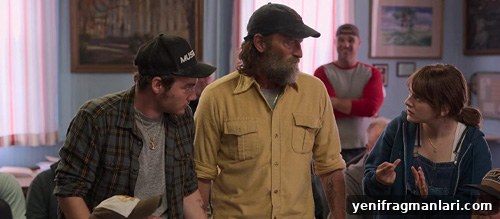
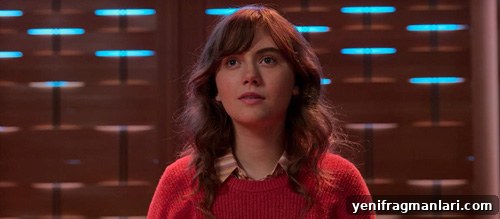
The film follows Ruby Rossi (Emilia Jones), a teenager growing up in a Massachusetts fishing town as the only hearing member of a deaf family. She interprets for her parents, Frank and Jackie (Troy Kotsur and Marlee Matlin), and for her older brother Leo (Daniel Durant) in daily life and on the family’s boat. Ruby also helps run the radio on their fishing vessel, balancing responsibilities that often prevent her from fully exploring her own interests. When she rediscovers a love of singing and begins private lessons with a demanding choir director, she faces a wrenching decision: follow her talent toward a competitive music school audition, or stay to support her family as they struggle financially.
In recent years, mainstream film and television have started to offer more prominent and varied portrayals of Deaf and hard-of-hearing characters. CODA continues that trend and pushes it further by involving Deaf consultants and casting Deaf actors in roles that matter beyond a single plot device. The film treats deafness as an important facet of the characters’ lives rather than their only defining trait. This approach allows the Rossi family to feel complete and complex: loving but flawed, funny and fallible, capable of both wisdom and mistakes.
Some critics from within the Deaf community have noted moments where the family appears insular or overly protective—character traits that can read as selfish when a child’s passion challenges the family dynamic. Those criticisms are understandable and worth considering; however, Heder’s screenplay aims to portray realistic family tensions rather than to stereotype. Parents often fear change and added expense, and children inevitably push for independence. These tensions fuel the film’s drama and emotional honesty.
The performances are the film’s strongest asset. Emilia Jones anchors the story with a vulnerable, spirited portrayal of Ruby. Troy Kotsur brings warmth, humor and emotional depth as Frank, Ruby’s devoted father; his scenes with Jones, especially quieter moments of intimacy and support, are among the film’s most affecting. Marlee Matlin lends seasoned presence as Ruby’s mother, and Daniel Durant rounds out the central trio with a restrained, believable performance as Ruby’s brother.
Heder’s script, developed with input from Deaf cast members and ASL advisers, avoids reducing the family to a single issue. Instead, it shows them sharing ordinary life—arguments, jokes, frustrations and tenderness—allowing viewers to understand the characters as whole people. The film balances humor and pathos: one memorable sequence finds Ruby rehearsing with her duet partner and romantic interest only to be interrupted by an embarrassingly loud moment next door, a scene that underlines how family life can be universally awkward and specific at the same time.
Not every subplot receives equal attention. Leo’s story could have been expanded to explore more of his social life and relationships in their small community, and some plot turns are predictable. Yet these structural quibbles do little to undercut the film’s emotional impact. When the soundtrack reaches moments of genuine vulnerability—particularly during a carefully staged song sequence—the film’s restraint gives way to catharsis. Those scenes are designed to hit hard, and they do, often bringing viewers to tears.
CODA is both familiar and distinctive. It follows the comforting contours of a well-made family drama while introducing a fresh perspective through its portrayal of Deaf culture and language. That perspective matters: representation not only broadens the kinds of stories we see but also deepens them, allowing audiences who have rarely seen themselves on screen to recognize their own experiences reflected back. CODA invites viewers to laugh, to empathize and to feel profoundly moved by a story about love, loyalty and the courage to follow one’s voice.
20/24