
CODA (2021)
Director: Sian Heder
Screenwriter: Sian Heder
Starring: Emilia Jones, Troy Kotsur, Daniel Durant, Marlee Matlin, Eugenio Derbez, Ferdia Walsh-Peelo
CODA, written and directed by Sian Heder—who previously earned attention for work on television and indie features—is an English and American Sign Language remake of the French comedy-drama La Famille Bélier. What sets Heder’s film apart from the outset is its commitment to authentic casting: deaf characters are played by deaf actors. That choice grounds the story in lived experience while allowing the film to explore familiar coming-of-age themes with fresh emotional clarity.
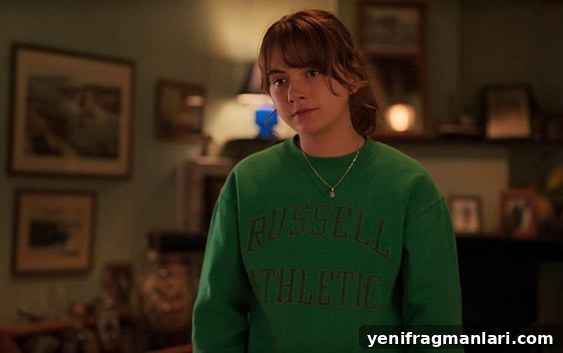
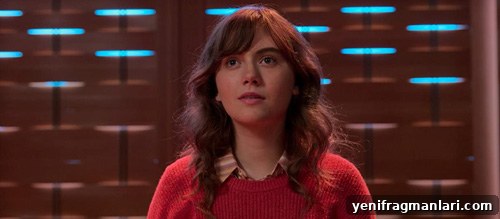
The film centers on Ruby Rossi (Emilia Jones), a teenager in a Massachusetts fishing family who is a Child of Deaf Adults (CODA). Ruby serves as the family’s interpreter in town, helps with the radio on their fishing boat, and carries much of the burden of communication for her parents, Frank and Jackie (Troy Kotsur and Marlee Matlin), and for her older brother Leo (Daniel Durant). Ruby also discovers a strong passion and natural talent for singing, and when her demanding choir director begins preparing her for a competitive music school audition, she faces a wrenching choice: pursue her own dreams or stay to support her family as they struggle financially to keep their small business afloat.
Recent years have seen broader, more visible representation of deaf characters in mainstream film and television, moving beyond tokenism and pity-driven portrayals. This shift includes films and shows that place deaf experiences at the center of their narratives and that prioritize casting deaf actors in meaningful roles. CODA contributes to that momentum by giving its deaf characters full interior lives. Rather than treating deafness as a gimmick or a single-note trait, the screenplay—shaped in collaboration with cast members and American Sign Language advisors—portrays the Rossi family as complete people: loving, flawed, sometimes selfish, and often funny.
Some critics from within the deaf community and real-life CODAs have pointed out flaws in the film’s depiction of the Rossi family, arguing that certain behaviors come across as insular or self-centered. Those reactions are understandable and worth considering. At the same time, the film deliberately frames these traits as human imperfections rather than as caricatures. Parents and children frequently clash over independence and protection; Ruby’s family is no exception. Their decisions—driven in part by fear of added expenses like hiring a professional interpreter—reflect real pressures that many working-class families face, not an absence of care.
The movie’s emotional power comes through in its performances. Emilia Jones gives Ruby a warm, earnest center; her vulnerability and determination make the character instantly sympathetic. Troy Kotsur’s performance as Frank is especially affecting: he brings a quiet, soulful presence to the role, and the father-daughter scenes—played with tenderness and humor—are among the film’s most memorable moments. Marlee Matlin and Daniel Durant round out the family with authenticity and depth, creating a believable household dynamic full of small fights and deep affection.
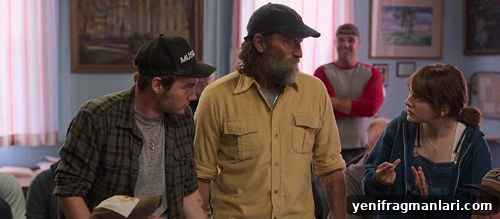
CODA balances humor and pathos with care. One of the film’s funniest sequences involves Ruby inviting her duet partner and crush, Miles (Ferdia Walsh-Peelo), to rehearse at her house only to be mortified by her parents’ unexpected, loud intimacy next door. That moment captures universal adolescent embarrassment played out against the specific rhythms of this family’s life—the result feels both fresh and human.
There are moments where the film follows predictable beats: some conflicts resolve in ways viewers might expect and a few narrative turns are telegraphed. Daniel Durant’s character, Leo, perhaps receives less exploration than he deserves; it would have been interesting to see more of his social life and how he navigates being one of the few deaf people in his town. Still, those shortcomings do little to diminish the movie’s overall impact.
CODA reserves its most powerful moments for music and connection. When the film uses song—especially an emotional selection by a notable singer-songwriter—it does so intentionally, aiming for catharsis rather than spectacle. Ruby’s audition and the scenes in which she performs for her family fuse music with sign and silence in ways that honor both her talent and the relationships that shape her.
Ultimately, CODA succeeds because it tells a heartfelt story from a specific perspective that has been too rarely represented on screen. It demonstrates why authentic representation matters: when viewers see themselves reflected truthfully, the story gains resonance and opens space for more varied voices in cinema. The film offers laughter, tears, and memorable performances while treating its characters with respect and complexity. Come for the warmth and the humor, stay for the emotional payoff—and be prepared for a few tissues.
20/24