
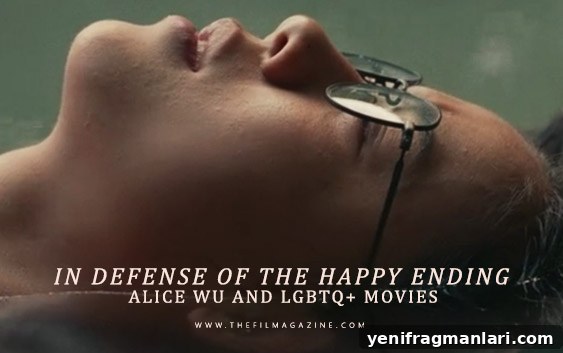
Romantic comedies promise a familiar emotional journey: a meet-cute, a swoonworthy first kiss, a heated argument, a montage of soul-searching set to an indie-pop soundtrack, and finally a reconciliation that leads to a happily ever after. Because viewers know the beats, some dismiss the genre as predictable. Yet many people find comfort in that predictability, and when filmmakers refresh those familiar tropes with new perspectives, the results can feel both fresh and reassuring.
Beyond entertainment value, romantic comedies shape how young people imagine relationships. Iconic scenes — like Noah clinging to the Ferris wheel in The Notebook — can be read as romantic but may also model unhealthy behavior. For decades, mainstream Hollywood treated falling in love as something reserved for a narrow slice of society: white, cisgender, able-bodied, heterosexual characters. When films centered queer, transgender, or racially diverse protagonists, the stories often veered toward melancholy, hardship, or tragedy instead of joy. That scarcity of upbeat representation affects viewers who look to film for validation and guidance about their own lives.
In particular, cinematic portrayals of LGBT characters have too often ended in loneliness or death. The persistent pattern of tragic outcomes for queer characters — especially queer women — sends a harmful message to young audiences seeking mirrors of themselves. Rather than offering hope, these stories can narrow a viewer’s sense of their own future, undermining self-worth and confidence during an already vulnerable period of identity formation.

That’s why writer-director Alice Wu’s decision to give her lesbian Chinese-American protagonists joyful conclusions feels radical and vital. In both Saving Face (2004) and The Half of It (2017), Wu resists the expectation that queer stories must be tragic. When she was making Saving Face, studio executives reportedly wanted the film to be “less happy” and even suggested casting a white actress for the lead. Wu refused to compromise her characters’ identities or the film’s tone, and the result has become a touchstone for queer viewers who had rarely seen themselves represented with joy on screen.
Saving Face is a personal story Wu has called a love letter to her mother. It follows Wil (Michelle Krusiec), a young surgeon juggling her career, family obligations, and a complicated relationship with her widowed mother, Gao (Joan Chen). Gao pressures Wil to engage in social rituals within their community — what Gao jokingly calls “Planet China” — and Wil reconnects with an old crush, Viv (Lynn Chen), a professional ballerina. The family complications intensify when Gao, pregnant and unmarried, is cast out of her home by Wil’s grandfather. The film treats each emotional obstacle as part of a larger arc that ultimately allows the characters to grow and find happiness together.
After a sixteen-year gap, Wu returned with The Half of It, a spiritual successor that places a shy, resourceful teen at its center. Set in the small, fictional Pacific Northwest town of Squahamish, the film stars Leah Lewis as Ellie Chu, a clever high schooler who writes essays for classmates to help support her widowed father. Ellie quietly harbors feelings for Aster Flores (Alexxis Lemire), while Paul Munsky (Daniel Diemer) — the well-meaning but inarticulate football player — also pines for Aster. Paul hires Ellie to write heartfelt letters on his behalf, launching a Cyrano-style triangle that becomes a gentle exploration of identity, friendship, and desire.
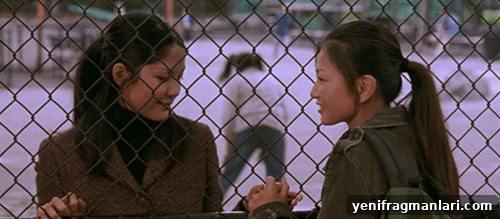
A notable achievement in both films is how Wu portrays parental growth and acceptance. In Saving Face, Gao’s journey from denial and matchmaking attempts to full acceptance and support of Wil’s relationship culminates in touching moments of familial affirmation. A small, quiet scene during the end credits — when Gao asks, “When am I getting grandchildren?” — functions as an awkward but meaningful milestone: a sign that acceptance has transformed into a future-looking curiosity rather than rejection.
Wu delights in repurposing rom-com conventions to broaden what counts as romance. Her characters stop weddings and proposals, race through airports and stations, and deliver sweeping speeches — but not all these gesture-driven scenes are romantic between lovers. Some depict the intimacy between parents and children, friends, or chosen family. Through these choices, Wu insists that effort is a central ingredient of love in all its forms. As she asks in The Half of It, “Isn’t that what love is? How much effort you put into loving someone?”

Both Saving Face and The Half of It avoid reducing queer characters to their sexual identities. Instead, Wu gives them full interior lives: careers, family responsibilities, creative ambitions, and friendships. The Half of It offers a different kind of happily ever after — one in which each character achieves a form of fulfillment tailored to their needs. Aster applies to art school, Ellie prepares to leave for college and expand her world, and Paul embarks on a renewed path in his family business. Their growth stems from the complicated relationships they form and the emotional labor they invest in one another.
For many viewers, a joyful ending may seem ordinary, even expected in a romantic comedy. For underrepresented audiences, however, it means more: it’s validation, hope, and a radical affirmation that their stories are worthy of joy. Alice Wu’s films remind us that representation matters not only in who appears on screen, but in the futures those characters are allowed to imagine and claim.
Written by Tina Kakadelis
You can support Tina Kakadelis through her social profiles and author pages.