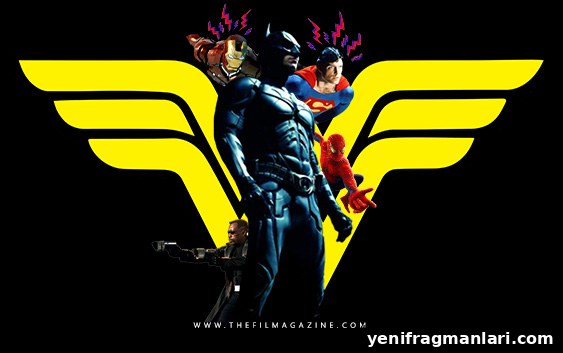
Comic book film adaptations have become the modern standard for fantasy escapism on the big screen and command devotion from millions. Like the westerns and musicals that once dominated, superhero movies represent a peak in genre popularity with lasting appeal. Having earned tens of billions of dollars, these adaptations are now studio tentpoles for a generation, reaching across age, class, political views, nationalities and languages.
Batman, Spider-Man, The Avengers and other iconic characters sit at the new Hollywood A-list. Films from Marvel, DC and other publishers have influenced the business and creative direction of mainstream cinema. Their impact is undeniable, but which films paved the way? Which comic book movies were most important in establishing, shaping and evolving the genre?
Below is a curated list of the 10 most important comic book movies ever produced. These films were selected for their significance at the time of release, their lasting influence and their roles in revolutionizing not only the comic book genre but cinema as a whole.
Follow thefilmagazine on social platforms for more movie writing.
1. Superman (1978)

Prior to Richard Donner’s Superman, there were few high-profile, big-budget superhero films. Apart from television fare, memorable feature productions were rare. Donner’s 1978 studio-backed epic changed that landscape.
By the late 1970s Superman was an American cultural icon—a straightforward, idealized hero at a time of social unease. Warner Bros invested an unprecedented $55 million to bring him to the screen, an enormous sum relative to earlier hits. Superman’s box office success—nearly $300 million—proved that large-scale fantasy escapism could still draw mainstream audiences and that Hollywood could deliver cinematic spectacles that television could not match.
Christopher Reeve’s performance and Donner’s tone set a template for the modern superhero film: noble heroes, clear moral stakes, and emotional sincerity. Those themes and expectations became cornerstones for many subsequent entries in the genre.
2. Blade (1998)

Blade was a landmark for representation and tone. A studio action film led by an African American star helped broaden mainstream expectations for comic book adaptations. Wesley Snipes’ vampire hunter arrived when many comic adaptations were campy or low-budget, and Blade offered a darker, R-rated alternative that resonated with late-90s youth culture.
Blade helped revive confidence in big-screen comic adaptations and opened doors for studios and rights holders. Its success made film companies more willing to collaborate with comic publishers and helped set the stage for the blockbuster surge of the 2000s. Blade also demonstrated the commercial and cultural value of diverse casting and grittier storytelling within the genre.
3. X-Men (2000)

X-Men brought a deeper thematic purpose to superhero cinema. Its central metaphor—mutants as outsiders—allowed the film to engage with civil rights, social exclusion and other real-world issues, giving the genre emotional and intellectual weight beyond spectacle.
The film also demonstrated that ensemble superhero stories could work on the big screen. Casting veteran actors like Ian McKellen and Patrick Stewart added gravitas, while improving CGI and a focused screenplay grounded fantastical powers in human struggles. X-Men’s box office success confirmed that audiences wanted superhero stories that combined action with meaningful themes.
4. Spider-Man (2002)

Sam Raimi’s Spider-Man arrived when computer-generated effects could finally support large-scale superhero filmmaking. The movie established the modern formula for family-oriented blockbusters: relatable heroes, emotional arcs, humor interwoven with action, and earnest moral dilemmas.
Raimi brought memorable, character-driven moments that would influence many future directors. The friendly, aspirational hero archetype and the blend of quips and spectacle in Spider-Man became a blueprint for the family-friendly superhero films that followed, including the later Marvel Cinematic Universe.
5. Iron Man (2008)
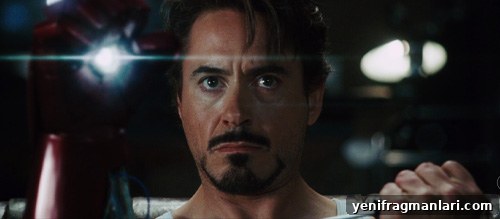
Iron Man launched the Marvel Cinematic Universe and introduced a set of creative rules that would shape years of blockbusters: the mix of humor and action, a clear hero’s journey, and a distinct production playbook for studio oversight and shared storytelling. Jon Favreau’s direction and Kevin Feige’s oversight turned a $140 million gamble into a global success that redefined franchise-building and studio strategy.
The film’s success demonstrated that a character-led shared universe could become an enduring commercial and creative strategy, influencing how studios developed and marketed tentpole properties.
6. The Dark Knight (2008)

Christopher Nolan’s The Dark Knight expanded what superhero films could be: thematically ambitious, director-driven works that invited serious critical discussion. Heath Ledger’s Joker became one of the most iconic performances in modern cinema and proved that comic book antagonists could be explored with psychological depth and dramatic weight.
Nolan pushed technical and storytelling boundaries—using IMAX and a gritty, realist tone—and redefined the blockbuster as a venue for auteur filmmaking. The Dark Knight’s cultural and cinematic influence is evident in how later superhero films approached tone, stakes and performance.
7. The Avengers (2012)
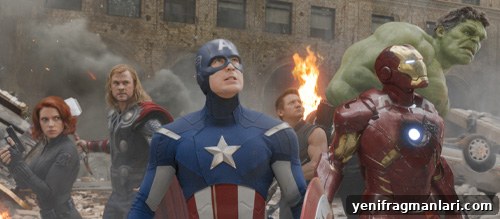
The Avengers realized the long-aspired-to idea of an all-star superhero team on the big screen and proved that interconnected, episodic storytelling could be a massive box office draw. It perfected the tonal balance of spectacle, humor and character beats and demonstrated the power of a shared universe model where standalone films build toward ensemble events.
The movie’s enormous commercial success altered Hollywood’s approach to franchise planning; characters, rather than single actors, increasingly drove box office appeal and marketing strategies.
8. Wonder Woman (2017)

Wonder Woman was the first major $100 million-plus studio tentpole to be directed by a woman and remains the highest-grossing female-directed film to date. Patty Jenkins and Gal Gadot delivered a blockbuster that resonated with contemporary conversations about gender equality, arriving at a moment when public awareness of industry-wide sexism was rapidly growing.
The film’s success—both financial and cultural—showed that female-led tentpoles could be profitable and culturally significant. Its themes, particularly scenes that address sexism and courage under fire, helped broaden the audience for superhero stories and signaled a shift in studio confidence for diverse leadership in big-budget filmmaking.
9. Spider-Man: Into the Spider-Verse (2018)
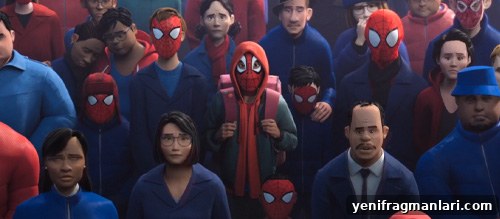
Into the Spider-Verse reinvented what a comic book movie could look and feel like. Its animation style directly evoked the comic pages, blending innovative visuals with a heartfelt, character-driven story about identity and responsibility. The film’s multiverse concept and its emotional core expanded the possibilities for animated and live-action superhero storytelling.
By marrying bold artistic choices with genuine stakes and layered characters, Spider-Verse encouraged the genre to experiment more freely with form and tone and proved that innovation in style can be both critically acclaimed and commercially viable.
10. Avengers: Endgame (2019)
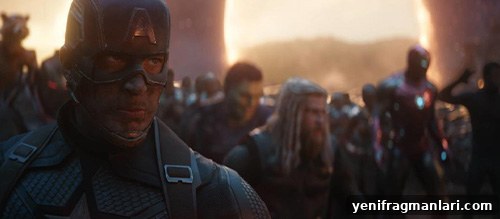
Avengers: Endgame served as the culmination of a decade of interconnected storytelling and reached heights few films ever achieve. It brought dozens of characters together in a finale that delivered emotional payoffs and spectacle, briefly becoming the highest-grossing film of all time upon release.
Endgame demonstrated the power—and the limits—of event cinema in a changing marketplace. It was a cultural moment: an event that united global audiences and showed the narrative and commercial potential of long-form, interlinked cinematic universes.
These ten films each played a pivotal role in shaping the comic book movie genre—through technical innovation, thematic depth, commercial strategy, representation, or a combination of those factors. Which films would you add if the list were expanded? Share your thoughts and join the ongoing conversation about how superhero cinema continues to evolve.