Men (2022)
Director: Alex Garland
Screenwriter: Alex Garland
Starring: Jessie Buckley, Rory Kinnear, Paapa Essiedu, Gayle Rankin, Sarah Twomey, Zak Rothera-Oxley, Sonoya Mizuno
Alex Garland’s Men is a bold, unsettling piece of modern folk horror that leans heavily on atmosphere and symbolism. It follows Jessie Buckley’s Harper, a woman whose life is violently upended after the traumatic death of her husband (played by Paapa Essiedu). Seeking solitude and recovery, Harper retreats to a remote English village. There she encounters a cast of peculiar local men, each carrying an undercurrent of menace. Garland uses this setting to explore grief, gender, and historical myths, layering the story with folkloric and ritualistic imagery.
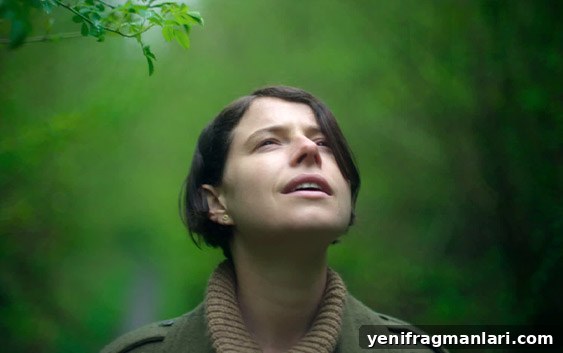
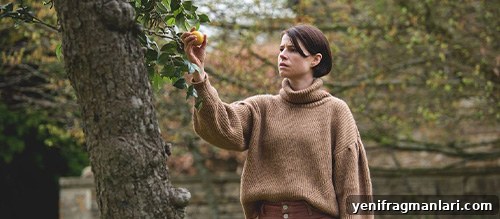
The film deliberately avoids cheap jump scares and instead builds tension through carefully composed visuals, precise editing, and sound design. Cinematographer and lighting choices create an archetypal English woodland mood—mossy greens, long shadows, and a pervasive sense of isolation. Editor Jake Roberts times cuts and reveals in a way that intensifies dread without resorting to loud shocks. Ambient sound—low rumbles, distant calls, and sudden silences—further tightens the atmosphere and keeps the viewer on edge.
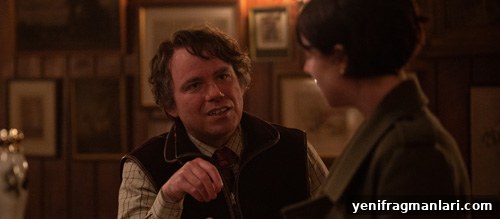
Performances are a major strength. Jessie Buckley delivers a raw, convincing portrayal of a woman trying to keep herself together while processing unspeakable grief. Her subtle shifts between fragility and resolve ground the film amid its more surreal elements. Rory Kinnear is equally compelling, offering a performance that is both oddly familiar and quietly unnerving. The supporting cast contributes to the oppressive, uncanny texture of the village: their behaviors and attitudes coalesce into a portrait of male entitlement that the film interrogates at multiple levels.
Garland’s script draws on a wide palette of folk-horror motifs—ancient rites, fertility symbolism, and the figure of the land as a living entity—to frame a contemporary conversation about the role and perception of women. The film asks uncomfortable questions about how traditions, myths, and patriarchal systems shape modern masculinity. This thematic ambition is admirable: the film attempts to reintroduce pre-Christian or nature-based reverence for femininity as a counterpoint to the corrosive aspects of modern male behavior.
However, the movie’s final act divides its emphasis between the literal and the allegorical in ways that sometimes feel both heavy-handed and emotionally distant. Garland layers symbol upon symbol—ritual, rebirth imagery, and mythic echoes—until the visual language can feel more like a catalogue of ideas than a single, coherent emotional journey. When a film relies so heavily on motifs and visual metaphors, there’s a risk that viewers will sense the craft more than the conviction; in places Men can feel like an intellectual exercise as much as a visceral narrative.
That said, the film’s ambition is impressive. Garland is clearly willing to take risks, blending psychological horror with mythic elements and social critique. The result is an experience that is provocative and often mesmerizing. It won’t satisfy viewers who want tidy answers or straightforward scares, but it will reward those who appreciate layered, interpretive cinema. The film raises more questions than it resolves, and part of its power lies in that unresolved tension—an insistence that some ideas are better felt than explained.
Technically, Men is polished and purposeful. The production design, camera work, and sound all collaborate to create a singular mood. The rural English setting becomes a character in its own right, reflecting and amplifying Harper’s inner turmoil. Even when the narrative choices feel dense or occasionally muddled, the craftsmanship on display makes the film compelling to watch.
Ultimately, Men is a divisive, daring piece of work that mixes folk-horror tradition with contemporary anxieties. It’s a film about trauma, power, and the stories we inherit—and it refuses to be comfortable. For viewers open to cinematic puzzles and symbolic intensity, it offers a rich, if sometimes frustrating, experience.
Score: 17/24