
“Space. The final frontier. These are the voyages of the Starship Enterprise. Its continuing mission: to explore strange new worlds, to seek out new life and new civilisations, to boldly go where no man has gone before.”
The Star Trek franchise has been one of the most influential and long-lived media properties in modern pop culture. With six television series and thirteen feature films so far, it has shaped science fiction and inspired generations of fans, scientists and creatives. From championing diversity on-screen to encouraging young people to pursue careers in science and engineering, Star Trek’s cultural impact is vast. This article looks back at the franchise’s films and ranks them from worst to best based on critical reception, fan response, cultural influence, and sheer entertainment value. These are subjective evaluations—debate is part of the fun.
THE WORST STAR TREK MOVIE – Star Trek V: The Final Frontier (1989)

Star Trek V is often cited as the franchise’s low point. Directed by William Shatner, the film attempts to blend comedy, character moments, and a philosophical quest for God, but it struggles to balance those ambitions. The tone shifts unevenly between light-hearted banter and grand metaphysical questions, leaving many moments feeling flat or unintentionally awkward. A few emotional beats—such as revelations about Spock and McCoy—work for long-time fans, but on the whole the plot, pacing and execution leave little impact. The film’s missteps, including questionable side plots and inconsistent character handling, have made it a frequent target for criticism.
Star Trek Generations (1994)

Generations aimed to bridge the original series crew and The Next Generation, but its handling of major moments divided fans. The film features solid action and some touching scenes, yet many viewers objected to the sudden death of a central original character, which many felt was underwhelming and poorly staged. Data’s emotional subplot and the film’s dual narrative also suffer from uneven development. Despite memorable moments and the length of its ambitions, Generations feels uneven and leaves a sense that it could have been stronger with tighter focus and better tonal consistency.
Star Trek Into Darkness (2013)
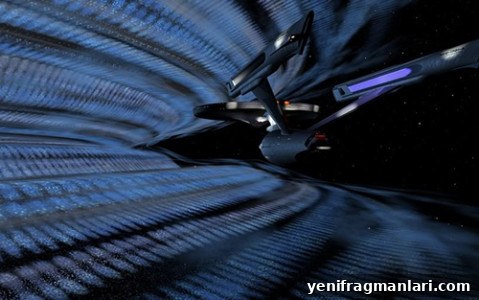
The 2013 sequel to the 2009 reboot polarized fans. Into Darkness prioritizes action and spectacle over the franchise’s traditional philosophical and ethical explorations. The film borrows heavily from classic Trek material, most notably echoing The Wrath of Khan, which left many viewers feeling that the story lacked originality and emotional authenticity. While the production values and performances are strong, some character choices and plot shortcuts undermined the film’s standing among long-time fans who expect Star Trek to deliver thoughtful science-fiction ideas alongside adventure.
Star Trek Nemesis (2002)
Nemesis is widely viewed as a disappointing finale for The Next Generation film run. The movie shows technical polish and tries to tackle ideas about identity and the cost of leadership through the villain who mirrors Picard. However, the plot becomes convoluted and the antagonist lacks the menace required to make the stakes feel real. Emotional beats, including the fate of a beloved character, frustrated many viewers because they felt unearned. Despite moments of character interaction and spectacle, Nemesis fails to coalesce into a satisfying conclusion.
Star Trek Insurrection (1998)
Insurrection offers enjoyable character moments and a lighter tone, capturing some of the warmth fans love about The Next Generation cast. Unfortunately, its central plot—a moral dilemma involving forced displacement of a tranquil community—never rises above familiar tropes, and the antagonists are not compelling enough to create lasting tension. The film is pleasant and character-driven, but it lacks the narrative urgency and thematic depth that elevate the franchise’s best entries.
Star Trek: The Motion Picture (1979)
The Motion Picture marked Star Trek’s leap to the big screen with a grand, visually ambitious approach influenced by contemporary space epics. Its slow pacing and emphasis on visuals over dramatic momentum divide audiences: some appreciate the measured, contemplative tone and technical sheen, while others find it plodding and overlong. The film introduced new elements to the universe and expanded characters like Spock in meaningful ways, but it is not as immediately gripping as later, more tightly plotted sequels.
Star Trek III: The Search for Spock (1984)
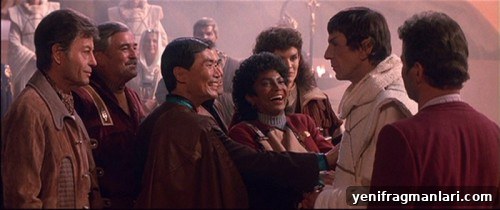
Directly following The Wrath of Khan, The Search for Spock restores a sense of family and loyalty among the Enterprise crew as they race to recover Spock’s soul and body. The story centers on friendship, sacrifice, and the lengths a chosen family will go to for one another. Though it can feel like transitional material—bridging two major films—it delivers heartfelt moments, returns familiar faces such as Sarek, and keeps the emotional through-line moving toward a satisfying resolution.
Star Trek VI: The Undiscovered Country (1991)

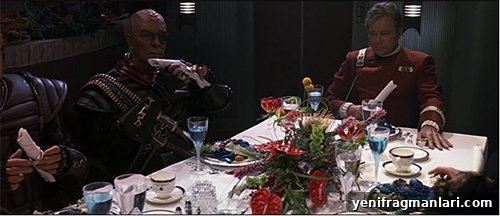
Undiscovered Country is a strong, politically resonant finale for the original series cast. It blends tense drama, intrigue, and social commentary—exploring themes of change, reconciliation, and the end of an era. The film treats its characters with respect, delivers solid performances, and balances action with thought-provoking ideas about prejudice and diplomacy. As a farewell for the original cast, it is moving and mature, and it stands as one of the franchise’s most accomplished entries.
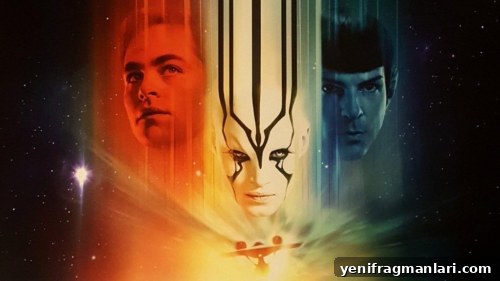
Star Trek Beyond (2016)
Star Trek Beyond returns to the core ensemble dynamics and restores a sense of camaraderie and adventure. The film emphasizes the full crew rather than a single star pairing, delivering rich character moments, inventive action, and numerous respectful nods to franchise history. Despite production challenges, the story centers on survival, loyalty, and rediscovery of purpose, making it one of the most heartfelt modern Trek films and a clear step in the right direction for the rebooted timeline.
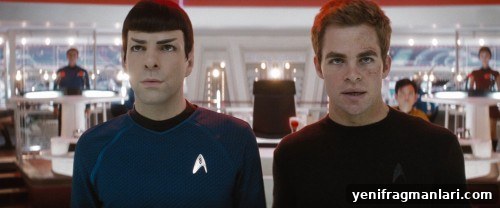
Star Trek (2009)
The 2009 reboot revived the franchise for a new generation with kinetic action, slick visuals and a younger cast. Set in an alternate timeline, the film successfully balances homage with reinvention and attracted a broad audience, reinvigorating mainstream interest in Star Trek. While some long-time fans felt the film prioritized spectacle over the philosophical heart of the franchise, it nevertheless reintroduced characters and relationships in memorable ways and ensured Star Trek’s continued cultural relevance.
Star Trek: First Contact (1996)

First Contact is the high-water mark for The Next Generation films and a favorite for many fans. It combines real stakes, strong character development—particularly for Picard and Data—and a terrifying antagonist in the Borg. The time-travel premise is compelling and emotionally satisfying, focusing on humanity’s potential and the historical moment that sets the Federation into motion. Tight pacing, dark tension, and a powerful exploration of trauma and redemption make this one of the franchise’s best entries.
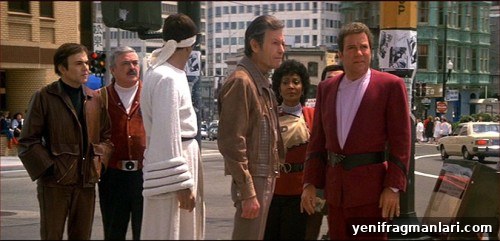
Star Trek IV: The Voyage Home

The Voyage Home is a beloved, warmly funny and unexpectedly humane adventure. It sends the crew back to 20th-century Earth on a mission to save humpback whales to avert a global catastrophe. The film’s mix of environmental themes, gentle satire, and delightfully awkward fish-out-of-water moments captures the franchise’s optimistic spirit. Full of charm and quotable moments, it remains one of the most accessible and heartfelt Star Trek films.
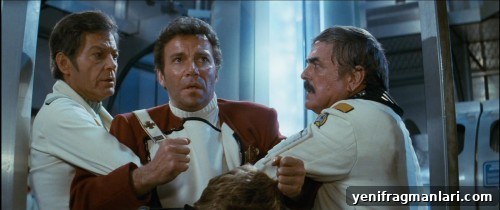
THE BEST STAR TREK MOVIE: Star Trek II: The Wrath of Khan (1982)

The Wrath of Khan is widely regarded as the definitive Star Trek movie. It refocused the franchise on human drama, revenge, sacrifice and moral consequence while delivering thrilling action and unforgettable performances. Ricardo Montalbán’s Khan is charismatic and terrifying, and the film’s themes—aging, duty, friendship, and mortality—resonate deeply. The emotional climax and the bond between Kirk and Spock remain iconic. For many, this film best captures what Star Trek does at its finest: telling big human stories in a science-fiction setting.
Thanks to the many fans, writers and contributors who share their love of Star Trek and their thoughts on these films. The franchise continues to inspire debate, creativity and enthusiasm across generations.