
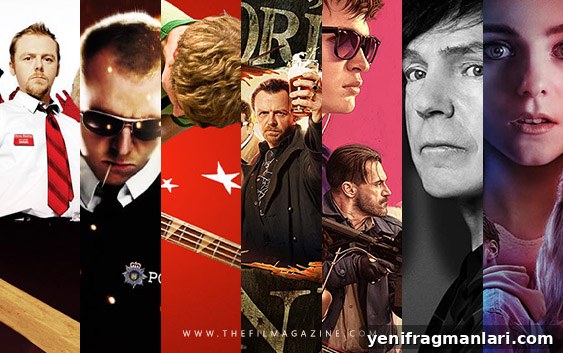
Edgar Wright has been one of the most distinctive and inventive voices in British cinema for more than two decades. From his early collaboration with Simon Pegg on the cult sitcom Spaced through his move into mainstream international filmmaking capped by the 2017 action film Baby Driver, Wright has consistently produced original, stylish work that blends humour, visual flair and genuine emotional heart. His films have earned a broad and devoted following and stand out for their tight editing, kinetic camera work and a deep love of genre.
In this feature we rank the feature directorial work of Edgar Wright, weighing artistic merit, cultural impact and popular response. The list examines the Cornetto Trilogy and Wright’s subsequent projects, highlighting what makes each film distinctive within his filmography and the broader landscape of contemporary cinema.
7. Last Night in Soho (2021)
Last Night in Soho Review
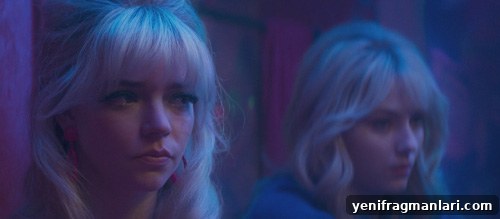
Last Night in Soho is Edgar Wright’s ambitious attempt at a psychological horror rooted in nostalgia for 1960s London. Anchored by strong performances from Thomasin McKenzie and Anya Taylor-Joy, the film shifts between a dreamlike celebration of Soho’s swinging era and a darker, unsettling undercurrent. The first half excels at evoking the period through meticulous production design and striking cinematography by Chung-hoon Chung, capturing the energy and glamour of the era.
The film occasionally overreaches in its ambition, and its final act divided critics and audiences. Yet it remains a worthy entry in Wright’s body of work: a meticulously crafted, emotionally driven experiment that showcases his ability to meld genre with style. The evocative soundtrack and period detail offer a rich sensory experience even as the film navigates a more melancholic and sinister theme than much of Wright’s earlier material.
6. Scott Pilgrim vs. the World (2010)
Scott Pilgrim vs. the World Review
Scott Pilgrim vs. the World marks Edgar Wright’s bold shift away from his long-time collaborators and highlights his passion for comic books, video games and kinetic visual comedy. The film follows Scott Pilgrim as he courts Ramona Flowers while battling her seven evil exes in a series of stylised set pieces that blend comic-panel aesthetics, video-game logic, and punchy humour.
Although Scott Pilgrim did not initially achieve mainstream box-office dominance, it quickly found a devoted audience and is celebrated for its inventive editing, playful sound design and unique visual grammar. It lacks some of the universal appeal of Wright’s most beloved entries but remains one of his most imaginative and visually daring films—particularly appealing to viewers who appreciate genre mash-ups and audiovisual experimentation.
5. The World’s End (2013)
The World’s End Review
The World’s End is the most reflective and divisive film of the Cornetto Trilogy, offering a more mature meditation on friendship, nostalgia and the pitfalls of stagnation. Wright flips familiar dynamics from Hot Fuzz and Shaun of the Dead by exploring a group of middle-aged friends attempting to reclaim their youth through a pub crawl that unspools into science fiction chaos.
With its darker undercurrents and slower, more deliberate pacing, The World’s End is less immediately crowd-pleasing than its companions, but its emotional honesty and sharp ensemble performances make it a rewarding experience. The film balances familiar comedic beats with thoughtfulness about identity, community and the passage of time, demonstrating Wright’s capacity to weave genuine feeling into his genre work.
4. The Sparks Brothers (2021)

The Sparks Brothers Review
In The Sparks Brothers, Edgar Wright directs his first feature documentary as a personal tribute to the enigmatic pop duo Sparks—brothers Ron and Russell Mael. The documentary unpacks the band’s remarkable five-decade career, showing how their persistent experimentation and theatricality influenced multiple generations of musicians and fans. Wright approaches the subject with enthusiasm and deep knowledge, using inventive editing, archival footage and a warm comic tone to illuminate the brothers’ artistry.
The film diverges from conventional music documentaries through Wright’s distinctive visual flourishes and narrative rhythm. As a fan-driven project it succeeds both as an illuminating portrait of an overlooked musical institution and as a demonstration of Wright’s ongoing interest in the interplay between music and film craft.
3. Baby Driver (2017)
Baby Driver Review
Baby Driver represents Edgar Wright’s most successful pivot into action cinema. The heist film centers on Baby, a getaway driver whose life is intricately linked to the music he listens to, and who yearns to escape a criminal life. The film capitalises on Wright’s rhythmic instincts: the editing, stunt choreography and sound design are tightly synced to the soundtrack, turning music into a storytelling device that informs pacing, character and emotion.
Standout support from Jon Hamm, Lily James and Jamie Foxx complements a charismatic lead performance, while the high-energy set pieces and inventive camera work make Baby Driver one of Wright’s most accessible and rewatchable films. It’s a high-octane showcase of how style and substance can be aligned to produce both thrilling entertainment and emotional resonance.
2. Hot Fuzz (2007)
Hot Fuzz Review
Hot Fuzz is a brilliantly executed blend of buddy-cop tropes and British village satire. The film follows a hyper-competent London police officer relocated to a sleepy Gloucestershire parish, where he uncovers a sinister conspiracy behind the town’s outward tranquility. Hot Fuzz leans into genre conventions with affection and sharp parody, delivering memorable set pieces, rapid-fire editing and a superb ensemble that includes Timothy Dalton, Jim Broadbent and Olivia Colman.
Often cited as the funniest and most quotable film of the Cornetto Trilogy, Hot Fuzz refines Wright’s comic instincts and filmmaking techniques into a crowd-pleasing package that balances heartfelt character moments with over-the-top action. Its blend of local specificity and universal comedy helped cement Wright’s reputation as a director capable of both clever pastiche and genuine warmth.
1. Shaun of the Dead (2004)
Shaun of the Dead Review
Shaun of the Dead is a landmark film that introduced Edgar Wright, Simon Pegg and Nick Frost to a wider audience and established the director’s signature approach: smart genre blending, tight comedic timing and real emotional stakes. Building on the cult success of Spaced, the film combines zombie-horror conventions with a heartfelt story about relationships and responsibility. By foregrounding Shaun’s relationship with Liz, the film sustains emotional depth even as it delivers clever gags and inventive homages to horror cinema.
The movie is tightly constructed and economically told, never feeling lightweight despite its compact runtime. Shaun of the Dead also laid the groundwork for motifs and dynamics Wright would revisit across his later films, and it remains his most influential and beloved work—an enduring example of how comedy and horror can coexist with genuine heart.
Written by Christopher Connor
What do you think of this ranking? Would you order Edgar Wright’s films differently? Which of his movies is your favourite and why? Share your thoughts in the comments below.
Updated to include The Sparks Brothers and Last Night in Soho on 14 October 2022. Originally published 28 June 2020.
You can support Christopher Connor on Twitter – @chrisconnor96