
Sunset Boulevard (1950)
Director: Billy Wilder
Screenwriters: Charles Brackett, Billy Wilder, D. M. Marshman Jr.
Starring: William Holden, Gloria Swanson, Erich von Stroheim, Nancy Olson
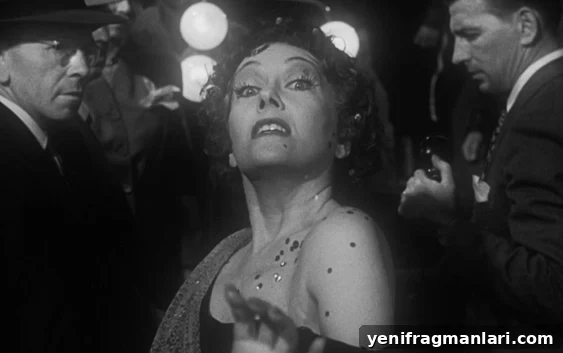
Sunset Boulevard is a landmark film from Hollywood’s Golden Age. Directed by Billy Wilder and written by Charles Brackett, Wilder and D. M. Marshman Jr., the movie has endured for decades due to its sharp script, darkly comic tone, and haunting performances. It was preserved by the National Film Registry because of its cultural and historical significance, and Paramount has invested in digital restorations to safeguard the film for future audiences. On release it was both a critical and box-office success, earning multiple Academy Awards and remaining widely regarded as one of the greatest American films ever made.
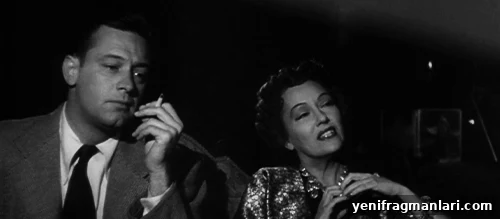
Sunset Boulevard opens in a decaying mansion on the iconic Sunset Boulevard, a location synonymous with the film industry. The story centers on Joe Gillis (William Holden), a down-on-his-luck screenwriter, and Norma Desmond (Gloria Swanson), a former silent-screen star living in seclusion. Joe stumbles into Norma’s world and, when she discovers he can write, she hires him to help complete a screenplay she has written for herself titled Salome. Norma longs for the validation of her old fame and insists that only her former director, Cecil B. DeMille—who appears as himself in the film—can do justice to her project.
Sunset Boulevard stands out for its richly drawn characters, whose flaws and desires feel vividly human. William Holden’s weary pragmatism and Gloria Swanson’s larger-than-life, fragile delusion create a powerful and unsettling chemistry. Their performances lift Wilder’s merciless yet compassionate script, turning what could be mere caricature into a harrowing portrait of ambition, nostalgia, and the cost of fame.
Cinematographer John F. Seitz crafted the film’s striking black-and-white aesthetic, which helps define its place within film noir. The moody shadows, dramatic lighting, and carefully composed frames create a visual language that underscores the story’s themes of desperation and decay. The opening sequence in particular is renowned: it establishes mood and narrative with a bold, unforgettable image that remains technically impressive even by modern standards.
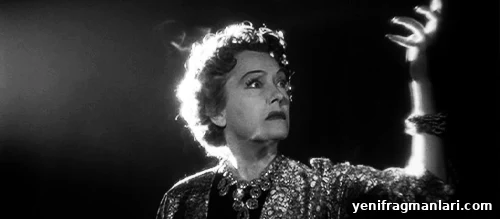
Sunset Boulevard is both a bleak and darkly funny meditation on Hollywood itself. While its tone can be unforgiving, the film sustains a dry humor that keeps it compelling from its opening moments to its final frame. Like other films that turn a mirror on the industry—whether the comic approach of classics such as Sullivan’s Travels or later, more personal films—Wilder’s picture interrogates how the rise of sound, changing audience tastes, and the studio system transformed careers and lives. The film’s depiction of the transition from silent film to talkies remains one of the most effective and humane dramatizations of that seismic shift in cinema history.
Beyond period commentary, the film’s themes continue to resonate. The struggles of a freelance screenwriter trying to find work, and the precarious position of performers whose careers fade, feel familiar to modern audiences. In the context of recent industry upheavals and labor disputes, Joe Gillis’s uncertain career path and Norma Desmond’s clinging to past glory read as enduringly relevant images of a still-changing entertainment landscape.
Sunset Boulevard achieves a rare balance of satire, tragedy, and glamour. Its layered script rewards repeat viewings: small details, moral compromises, and moments of dark irony reveal themselves anew each time. The supporting cast and memorable cameo appearances enrich the film without overpowering its central tragedy. Ultimately, Wilder’s movie is both a portrait of a specific era and a timeless study of obsession, vanity, and the human cost of fame.
Score: 24/24
Rating: ⭐⭐⭐⭐⭐ (5 out of 5)
Written by Clotilde Chinnici
You can support Clotilde Chinnici in the following places:
Portfolio: Clotilde Chinnici
Twitter: @filmswithcloe