

Looking back at the year in cinema for 2022, it is clear that many of the world’s most imaginative filmmakers confronted contemporary anxieties with courage and clarity. Several films explored the modern crisis of masculinity, reframing the “troubled man” archetype with a softer, more introspective tone: directors who once trafficked in boisterous spectacle examined the fallout of toxic behaviour and the painful, often self-destructive ways men cope with shame and grief. At the same time, growing awareness of economic inequality and shifting gender dynamics pushed portrayals of mental health into the mainstream, and numerous remarkable films used intricate storytelling to examine depression, trauma, and the quiet pains people carry.
2022 also celebrated everyday heroes and the small moments that define life. Many of the year’s most-discussed pictures—whether intimate dramas, large-scale biopics, or action-driven blockbusters—returned again and again to ideas of self-acceptance and the importance of being true to oneself. After global lockdowns, a renewed focus on relationships and camaraderie surfaced in much of the best cinema: films that emphasized human connection, solidarity and vulnerability found broad resonance. Notably, several blockbuster pictures finally succeeded in joining critics’ year-end conversations, proving that spectacle and thoughtful filmmaking can coexist.
Beyond subject matter, cinema continued to diversify: filmmakers from different backgrounds produced distinct, urgent works that demanded to be seen on the big screen. In 2022 we saw a tender Scottish independent film move audiences, a young multi-ethnic directorial team capture the complexities of modern life better than many, voices from underrepresented regions tell universally resonant stories, and other filmmakers mature into their full authorial power—sometimes even through sequels. While cinema is evolving into a more individualized, brand-driven consumer space, the quality and sincerity of many films remained striking. They were honest, purposeful, and emotionally robust.
In this Movie List from The Film Magazine, these selections represent the films that most faithfully captured our moment: works that dug deeply into their subjects, expanded cinematic form, and achieved artistic feats likely to be remembered. Here are the 10 Best Films of 2022.
Follow me @JoeTFM on Twitter.
10. Elvis

Elvis
Baz Luhrmann’s Elvis is more than a conventional biopic—it’s a sensory immersion into why Elvis Presley became a cultural colossus. Austin Butler, strikingly transformed, anchors the film with charisma and vulnerability, and Luhrmann stages musical and visual sequences that capture the ecstatic thrill of early rock ’n’ roll. The film doesn’t recast Presley as anything other than the star he was, but as cinema it transports viewers into a time and feeling with triumphant rhythm and style. Luhrmann’s passion is evident in every glittering costume and dynamic edit, and the result explains, viscerally, why Presley’s legacy endures.
9. Top Gun: Maverick

Top Gun: Maverick
Top Gun: Maverick reignited the communal thrill of cinema: huge, immersive, and emotionally generous. Tom Cruise’s commitment to practical filmmaking—placing actors in real aircraft for authentic aerial sequences—yields a unique, visceral spectacle that rewards a big-screen audience. Though not dramatically complex, the film excels at atmosphere, pacing and the rare blockbuster quality of feeling genuinely lived-in. Its themes of companionship and legacy hit especially hard in a post-pandemic world hungry for shared experiences, and it succeeds as both an exhilarating action film and a heartfelt tribute to togetherness.
8. Decision to Leave

Decision to Leave
Park Chan-wook’s Decision to Leave is a masterful blend of mystery, romance and meticulous visual storytelling. The film’s deliberate pace, striking composition and precise framing make its emotional undercurrents feel inevitable. The story—about a detective who becomes entangled with a murder suspect—unfolds as an exercise in obsession and longing, and the mise-en-scène functions as active narration. Performances are quietly magnetic, and Park’s confident control over tone and form makes this one of the year’s most singular and absorbing films.
7. Ali & Ava

Ali & Ava
Clio Barnard’s Ali & Ava is a compassionate portrait of ordinary lives in a part of the United Kingdom often overlooked by mainstream cinema. Set in Bradford, the film follows the tender, unlikely bond between a white grandmother and an Asian divorcee, treating its characters with dignity and nuance. Barnard avoids melodrama in favor of quiet empathy, capturing small joys and painful intimacies with striking visuals and intimate choreography. Through subtle performances and evocative imagery, the film insists on the significance and humanity of people whose stories are rarely centered on screen.
6. Athena
Athena
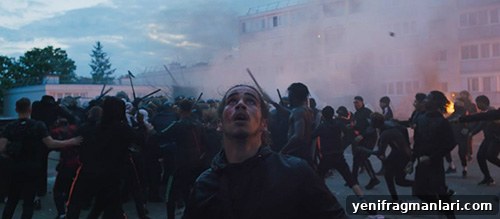
Romain Gavras’s Athena is an operatic, visually audacious political drama. Its opening sequence—a single, breathless shot that follows youth rioters as they break into a police station and return to their fortified banlieue—is one of 2022’s most unforgettable cinematic moments. The film then evolves into a tragic, carefully choreographed exploration of class, race and state violence. Gavras uses long takes and stage-like composition to restrict and reveal information in ways that heighten tension and moral ambiguity. Athena is bold, confrontational, and formally inventive—an uncompromising portrait of unrest and its consequences.
5. Everything Everywhere All at Once

Everything Everywhere All at Once
The Daniels’ Everything Everywhere All at Once is a dazzling, genre-defying fable that captures the dizzying speed and fragmented attention of our social-media age while remaining deeply human. With a modest budget, the film delivers blockbuster-level creativity: bold visuals, audacious action and wildly inventive set pieces are matched by heartfelt explorations of family, generational conflict and the work of unlearning harmful patterns. The film celebrates the extraordinary in the ordinary—finding heroism in everyday relationships—and balances absurdist comedy with genuine emotional catharsis.
4. The Northman

The Northman
Robert Eggers’s The Northman is a visceral, mythic fable of vengeance and legacy. Anchored by Alexander Skarsgård’s physically commanding, almost wordless performance, the film reads like cinematic poetry set in a brutal Viking landscape. Its themes—masculinity, inherited violence, and the unraveling of a simple worldview—resonate with contemporary debates about legacy and identity. Beautifully shot in stark northern light, with a Shakespearian scope and primal intensity, The Northman stands out as both a formal triumph and a probing meditation on what it means to be shaped by history.
3. The Souvenir: Part II

The Souvenir: Part II
Joanna Hogg’s The Souvenir: Part II is an intimate, brave work of authorial cinema. Building on the first film’s autobiographical frame, Hogg examines grief, artistic ambition and the formation of creative identity. Honor Swinton Byrne’s Julie pursues an autobiographical film within the film, and through that pursuit Hogg interrogates how personal history informs artistic voice. The movie is both a tender family portrait and a meditation on the compromises and microaggressions women face in creative industries. Poised, reflective and emotionally resonant, it’s a luminous study of a filmmaker coming into her own.
2. The Banshees of Inisherin

The Banshees of Inisherin
Martin McDonagh’s The Banshees of Inisherin is a darkly comic and devastatingly humane film about friendship, purpose and despair. Set on a remote Irish isle, its deceptively simple premise—two men fall out for seemingly no reason—opens onto a profound exploration of mental deterioration, loneliness and legacy. McDonagh’s writing is precise and wry, extracting heartbreaking truth from small conversational moments. The film uses metaphor and setting to reflect national and personal ruptures, and it rewards repeated viewing with deeper layers of meaning and feeling.
1. Aftersun

Aftersun
Charlotte Wells’s Aftersun is a heartbreaking and precise depiction of a father and daughter—and of the quiet, insidious presence of depression. Told through memory and the small lens of a shared holiday, the film captures how seemingly ordinary moments can conceal deep inner turmoil. Paul Mescal gives a restrained, luminous performance as a father trying to hold himself together, and the film’s formal choices—editing, sound design and subtle visual metaphors—allow the audience to inhabit both the child’s perspective and the adult’s private grief. Aftersun is empathetic, devastating, and achingly true; it is, in many ways, the year’s most intimate cinematic triumph.
Cinema faces real pressures: pandemic-era changes, shifts in distribution models, reduced disposable income for many viewers, and corporate strategies that sometimes prioritize streaming revenue over theatrical culture. These forces have led to institutional losses and changed the habits of filmgoing. Yet despite those headwinds, 2022 produced exceptional films that found ways to reach audiences on the big screen. If any of these films are screened near you, they are well worth seeing in a theater—each is an example of cinema at its most vital: humane, imaginative, and urgently relevant.